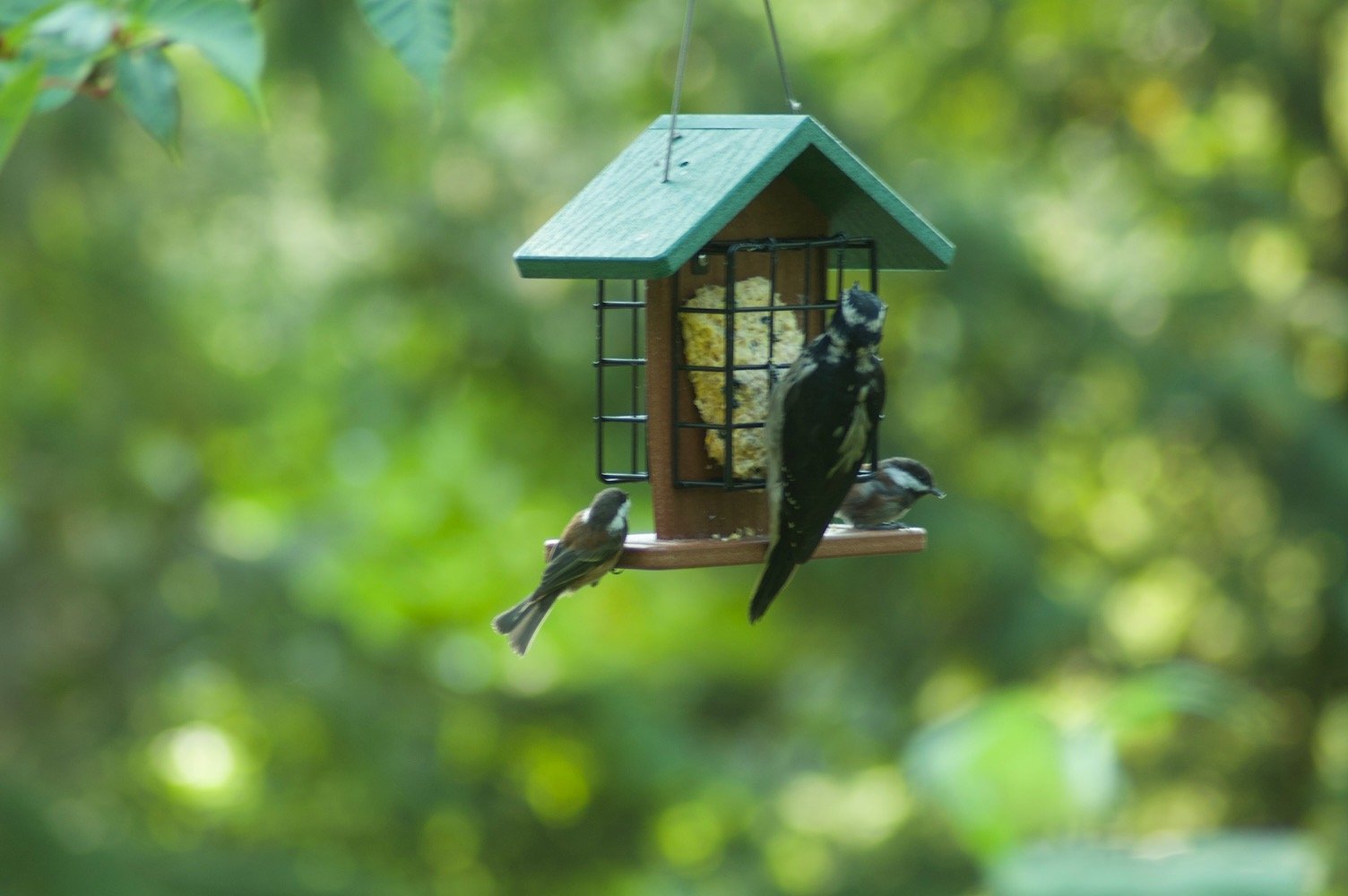
New feeder, same bird politics…

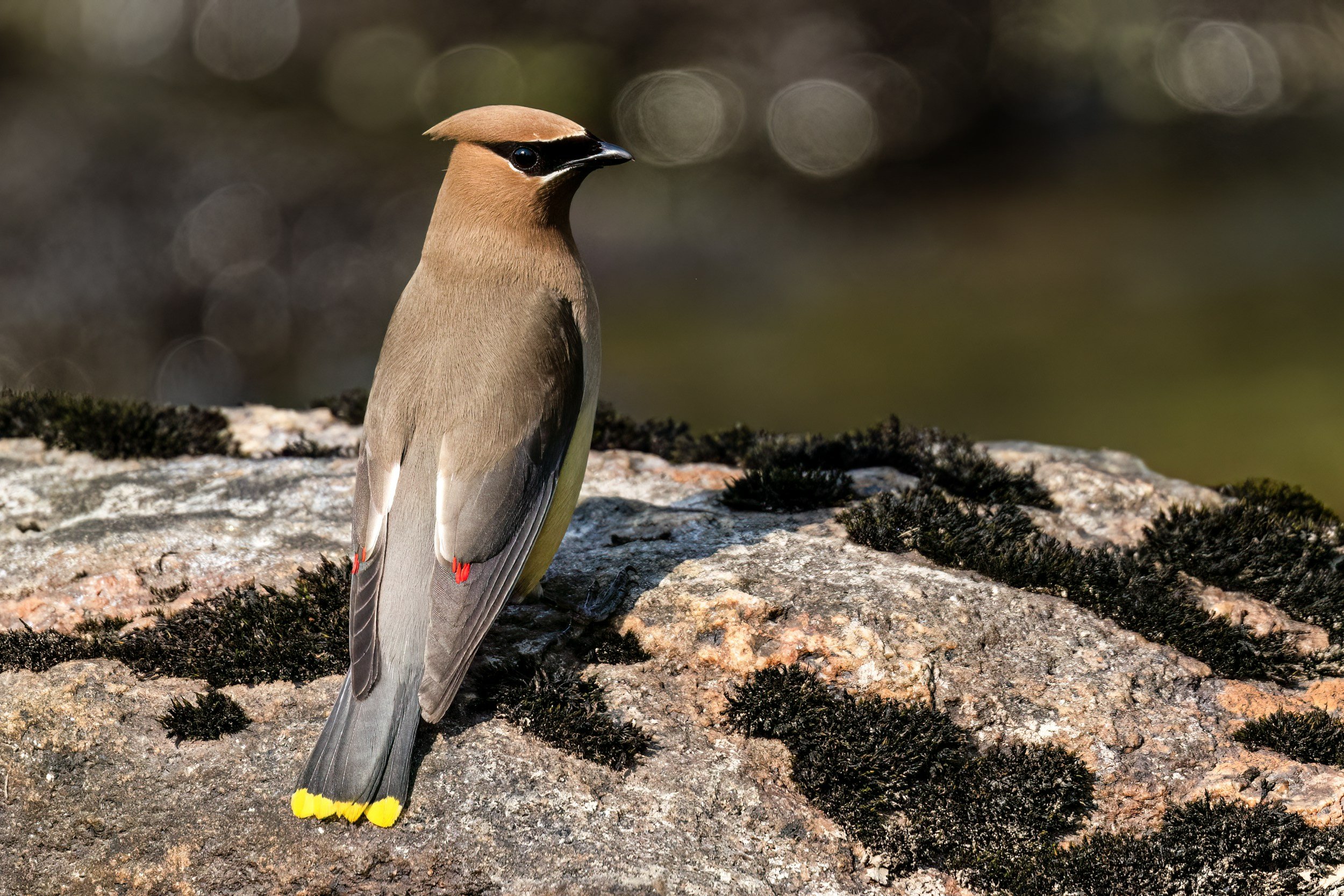
Courtesy of Camerauthor Photos @camerauthor
Cedar Waxwings are, in my opinion, one of the most beautiful birds you can spot in a Pacific Northwest garden. I waited for years hoping to see one on my property. A friend once told me they aren't all that common and you don't often get lucky enough to spot one.
When I first started paying closer attention to what was happening right outside my window, it was exciting enough to see the flashy yellow and red Western Tanager. They were attracted to the fresh water in the bird bath and the variety of food I had placed around the garden.
The first time I saw a Cedar Waxwing, I could barely believe it. It was perched on the bird bath, calmly sipping water. I grabbed my phone and tried to snap a picture, but I only managed to take a very grainy video. So disappointing!
Seeing them in person is incredible. The feathers look so smooth and that eye makeup is so dramatic. In the photo above you can see the yellow-tipped tail feathers and the tiny red waxy tips on the wings. When they hop or take flight, those colors swirl together in a way that’s honestly a little mesmerizing.
I haven't seen a Cedar Waxwing on my property in almost two years now, but I'm hopeful that 2026 will be their year. We do live in the Olympic Rainforest after all, where the wildlife here never stops surprising me.
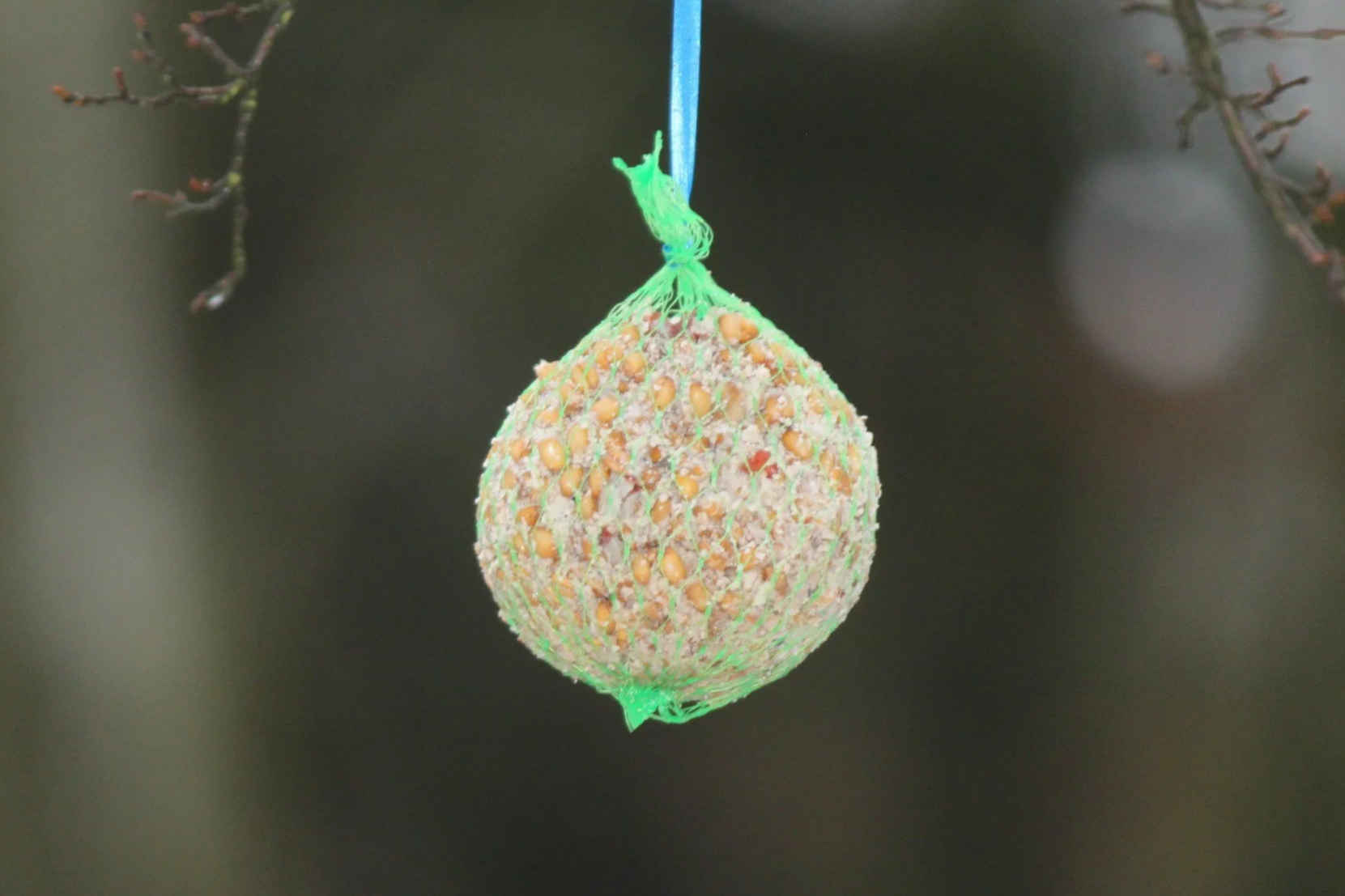
1. Provide food: Cedar Waxwings eat fruit, insects, and sugary drinks. Planting native plants that produce berries, such as elderberry and serviceberry will provide a natural food source for the birds. They LOVE serviceberry- it’s an early spring bloomer. You can also put out a fruit feeder; I have had luck with both Tanagers and Cedar Waxwings with my homemade suet cakes.
2. Think about habitat: Cedar Waxwings like open woodlands and forest edges with trees that produce fruit, native or otherwise. Planting a mix of deciduous and coniferous trees can provide the habitat they need, providing food and cover throughout the year.

3. Provide fresh water: Like all creatures, Cedar Waxwings need water for drinking and bathing. Add a bird bath or small water feature to provide a source of water. Just remember that stagnant water is a big no-no. Bacteria and algae thrive in still water, so make sure to clean your bird bath regularly and replace it with fresh water to keep your feathered visitors healthy.

4. Skip the pesticides: Avoid using them whenever possible. These chemicals harm the insects that Cedar Waxwings rely on for food. If you want a healthy and diverse insect population in your garden, steer clear of the potent stuff. If you’re dealing with pests and aren’t sure what to do, feel free to send me an email and we can work on a plan together.

5. Provide nesting materials: Cedar Waxwings build their nests using grasses, twigs, and soft plant fibers. Leaving a small brush pile or allowing natural garden debris and dead leaves to remain in certain areas can provide the materials they need to build their nests.
6. Be patient: It may take some time for Cedar Waxwings to find your garden. Begin providing food/food sources (homemade suet, native and other fruit bearing trees and shrubs), fresh water, a more protected or sheltered area to improve their habitat, and they may eventually become regular visitors.
My ultimate goal is increasing the diversity of native species on my little piece of land. That doesn’t stop me from mindfully adding ornamental plants as well. Gardening is always a balance.
I’ve lived on this property for over ten years now, and it has been thrilling to watch the same family of Western Tanager return each summer. And don’t even get me started on all the hummingbirds!
The Pacific Northwest truly is a wonderland filled with living things waiting to be discovered.
It’s never too late to start paying attention.
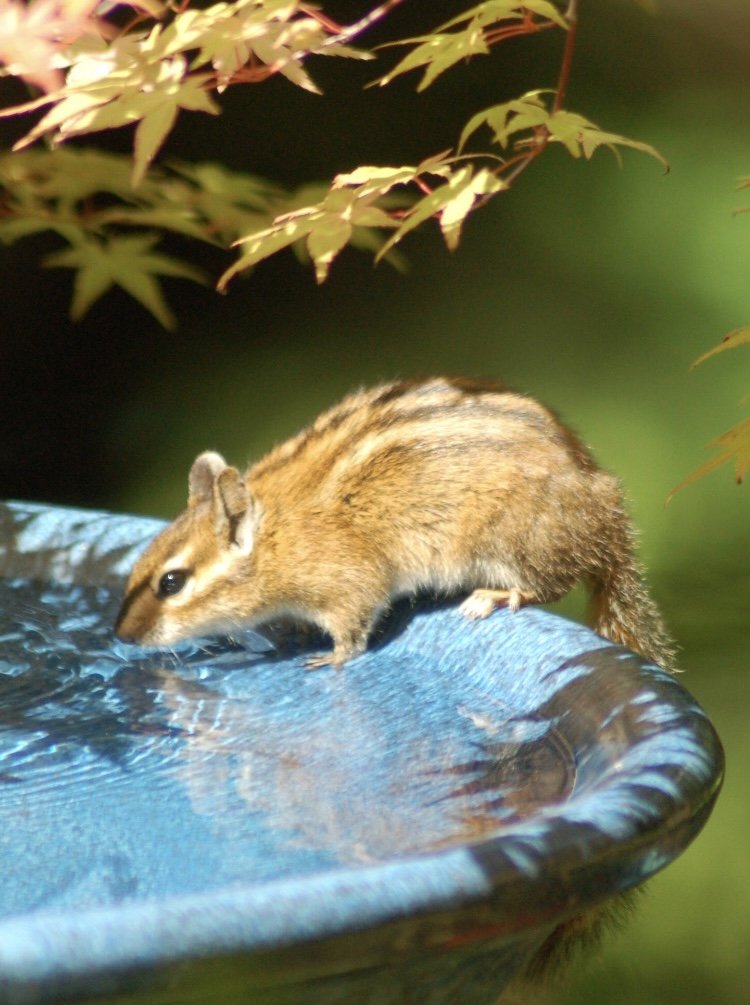
Hi I'm Chip!

Western tanagers are beautiful birds that are attracted to gardens in the Pacific Northwest. Here are some tips for encouraging them in your garden:
1. Provide food: Western tanagers eat insects, fruit, and nectar. Planting native plants that produce berries and fruit, such as huckleberry and serviceberry, can provide a natural food source for the birds. You can also put out nectar feeders or mealworms to supplement their diet. They love sunflower seeds too!

2. Create a habitat: Western tanagers prefer open forests and woodland edges. Planting a mix of deciduous and coniferous trees can provide the habitat they need. They also prefer trees with dense foliage for nesting.

3. Offer water: Western tanagers need water for drinking and bathing. A bird bath or small water feature can provide a source of water for them.
4. Avoid pesticides: Pesticides can harm the insects that western tanagers feed on. Avoid using pesticides in your garden to help maintain a healthy insect population.
5. Provide nesting boxes: Western tanagers typically nest in coniferous trees. You can provide nesting boxes designed for them to encourage them to nest in your garden.

6. Be patient: It may take some time for western tanagers to find your garden. Be patient and continue to provide food, water, and habitat, and they may eventually become regular visitors. I started off with a pair and have watched them raise their babies. Now I have several that frequent the canopy, birdbath, and feeder. They start to show up around May when it begins to warm up and stick around all summer and fall!

When starting or improving a garden, it is easy to get overwhelmed by all the options! Take a breath and have a good sit in your space, then:
1. Start by defining your garden philosophy and mindset. Do you want a minimalist garden, a lush and colorful one, a vegetable garden, a wildlife-friendly garden, or a combination of these? What are your priorities: aesthetics, functionality, sustainability, or relaxation? What is your budget, available space, and amount of time and energy you can invest in gardening?

2. Plan your garden design and layout based on your needs and wants. Consider factors such as sun exposure, soil type, drainage, privacy, and views. Decide on the main features, such as paths, borders, focal points, seating areas, water features, and lighting. Choose plants that suit your garden style, climate, and maintenance level. Mix and match colors, textures, and heights to create interest and balance.

3. Create a garden that appeals to your senses and emotions. Choose plants that have fragrances, textures, and shapes that you love. Add elements that stimulate your sight, hearing, touch, taste, and smell, such as bird feeders, wind chimes, water features, herbs, and fruits. Use colors that evoke the mood you want, such as calming blues and greens, energizing yellows and reds, or soothing pastels. If you are adding hardscaping, decks, paths or walls, think about the materials you’d prefer to see out your window everyday. It is worth it to invest in quality stone and other sustainable materials; it will increase the value of your property by a surprising amount!
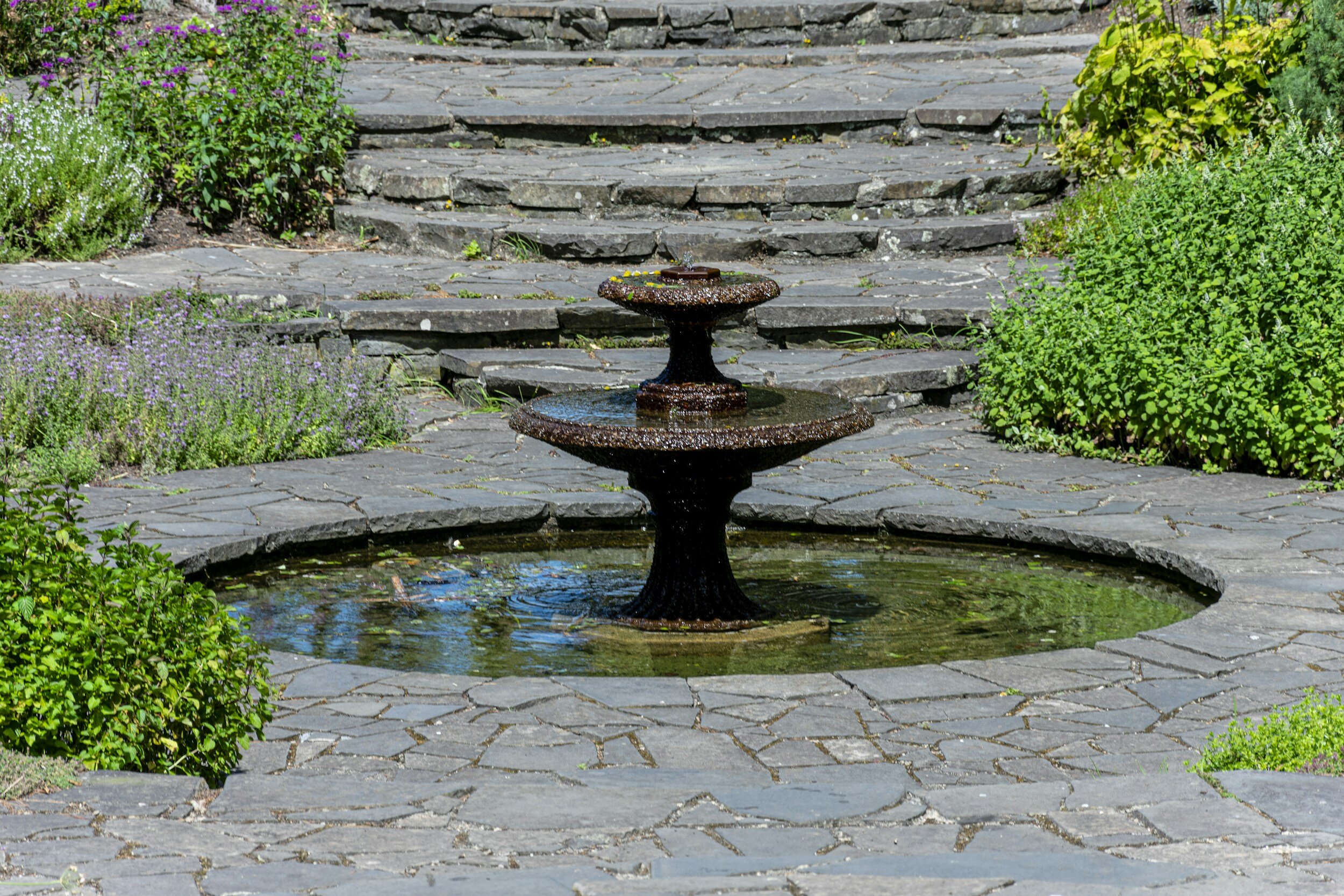
4. Make your garden a reflection of your personality and values. Use decor, artwork, and accessories that express your creativity and interests. Choose materials and techniques that align with your sustainability goals, such as recycled or repurposed items, organic fertilizers, and native or drought-resistant plants. Invite wildlife by providing food, shelter, and nesting sites, and avoid using pesticides and herbicides that harm beneficial insects and birds.


5. Enjoy your garden from different perspectives and at different times of the day and year. Create seating areas that offer different views and moods, such as a sunny bench, a shady nook, or a cozy corner. Use lighting to highlight your favorite plants and features and extend your garden experience into the night. Plant for all seasons, so you can enjoy the beauty and diversity of your garden throughout the year.

Image furnished via Unsplashed: Ries Bosch @ries_bosch

Image furnished via Unsplashed: Boom Sirada @boomsiradaaa
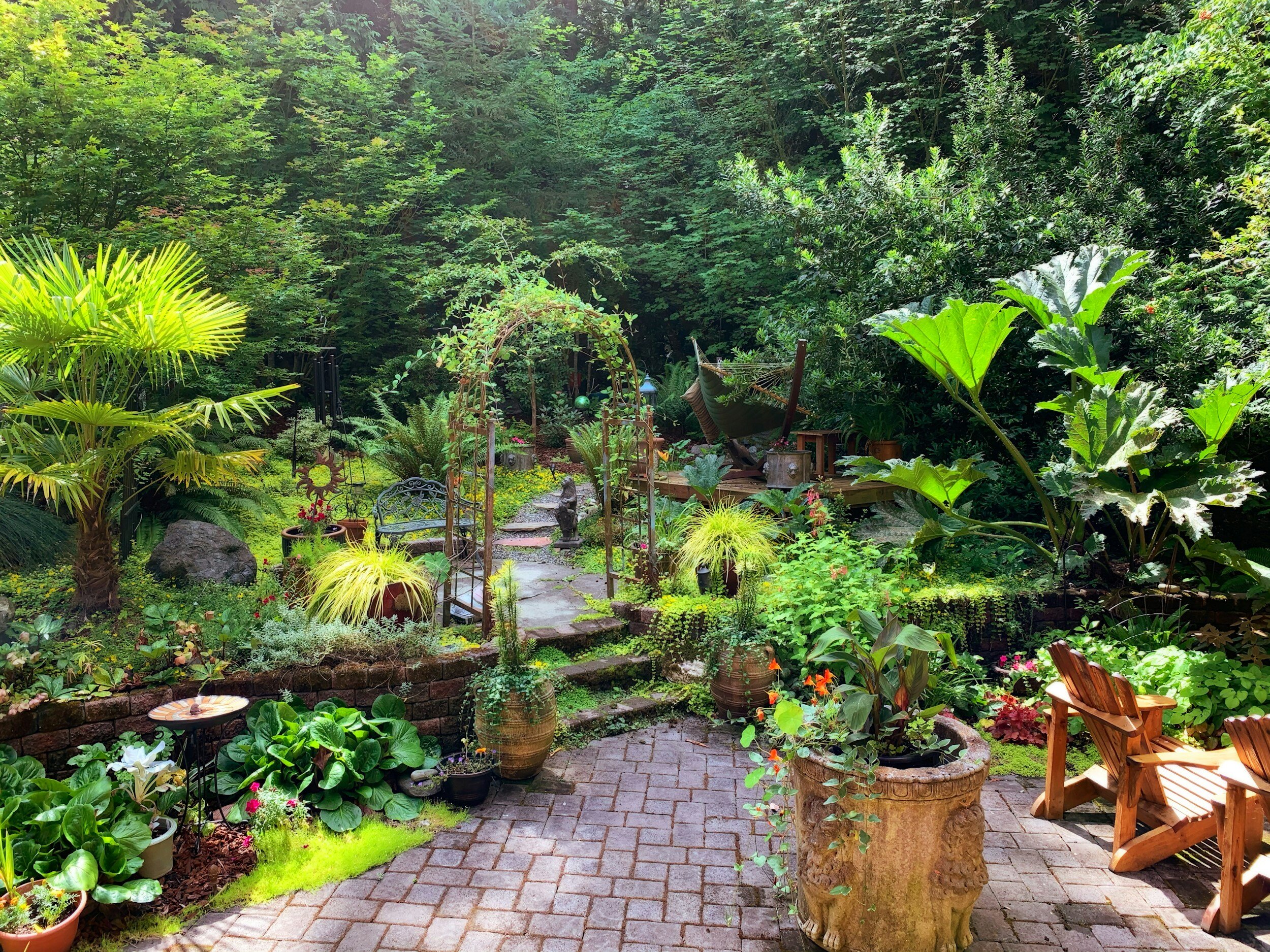
Image furnished via Unsplashed: Cee @theskyandthesea
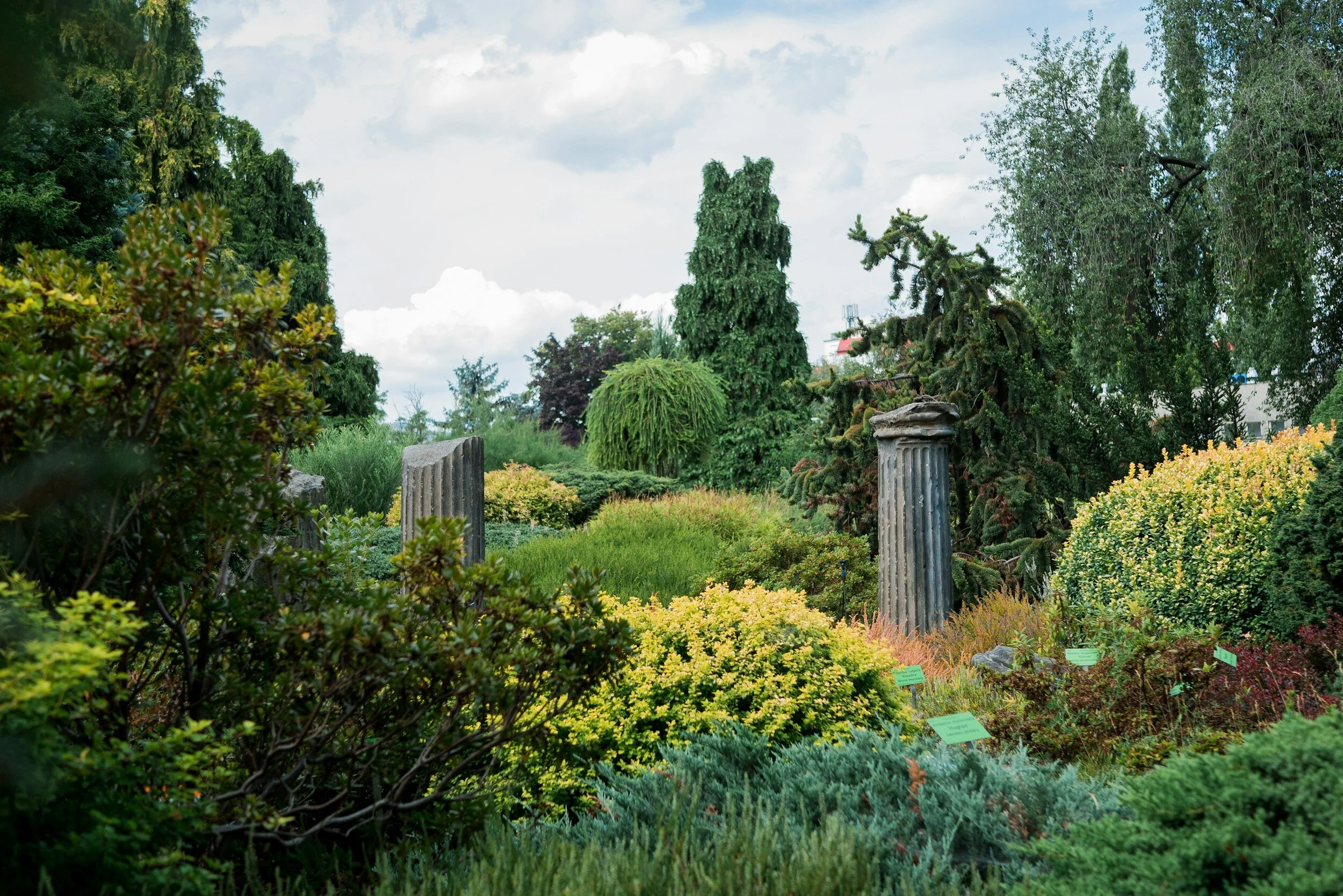
Image furnished via Unsplashed : explorenation # @explorenation

Image furnished via Unsplashed : Aniston Grace @anistongrace

Image furnished via Unsplashed : Martina Jorden @martinaj
What you will see out of the window depends on your garden layout and views. If you have a window facing your garden, you can design your garden to maximize the visual impact from that perspective. You can create a focal point, such as a statue, a sculpture, a water feature, or a flowering tree, that draws the eye and adds interest. You can also use plant textures, colors, and heights to create layers and depth, and frame your views with borders or hedges. If you have a garden that is visible from several windows or angles, you can create a cohesive and harmonious design that looks good from all perspectives.

Image furnished via Unsplashed : Rob Wingate @robwingate
This is just the beginning, I highly suggest you take your time selecting the right plants for your space. If that is too daunting, I am here for you. I offer garden walk through consultations where we will explore many options for your space. Send me a message and we can schedule the initial hour consultation to get started!
-Alison