
We all get to know them… you know, the regulars.
When you spend a lot of time outside, and especially when you've spent years in the same place, you start to recognize its rhythms.
For me, one of those rhythms is:
khawwwwh… khawwwwh… gkhawwahhh. khawwwwh… khawwwwh… gkhawwahhh.
I look up, and there they are. Two enormous black birds flying over the property.
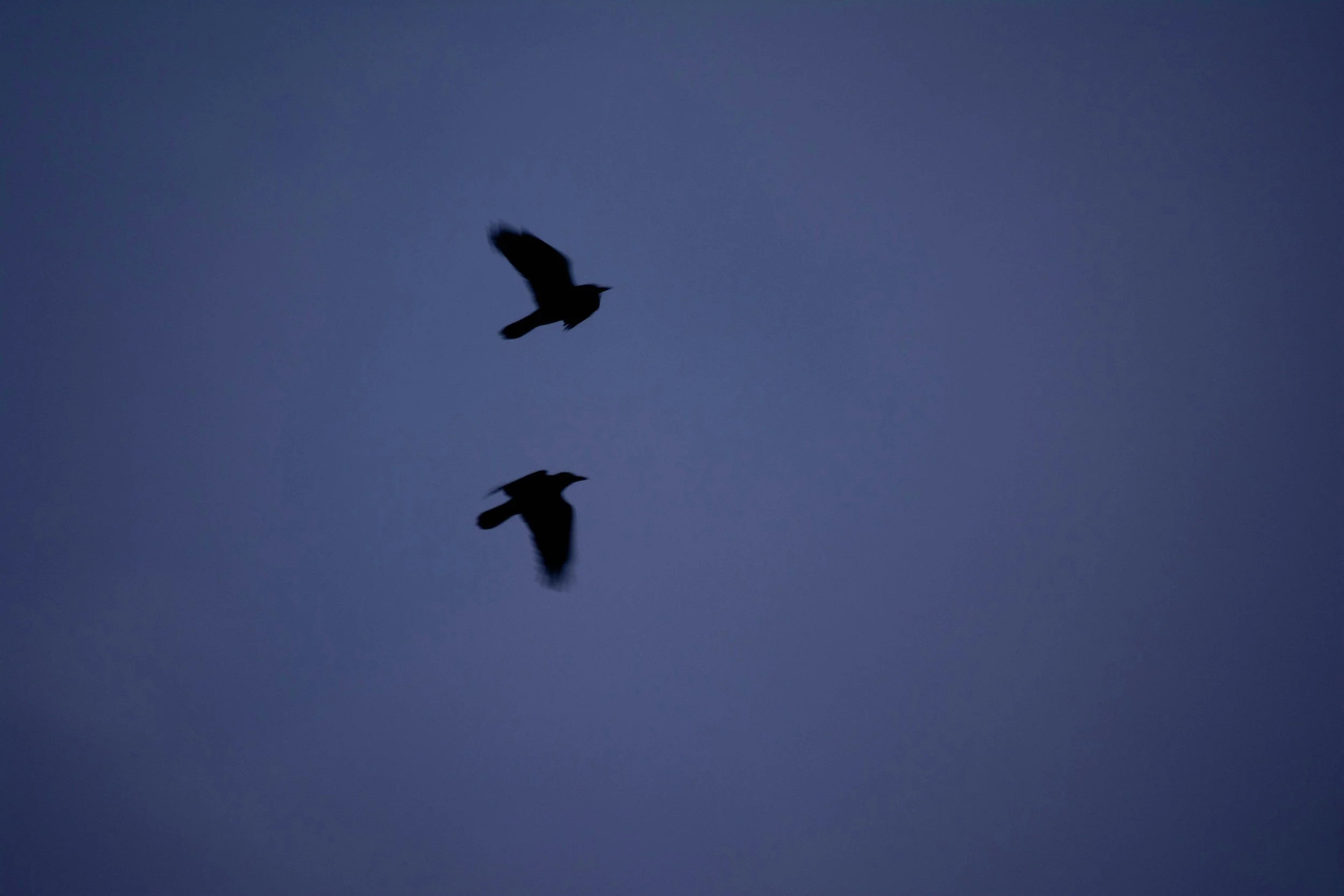
At first, I assumed they were crows. It can be surprisingly difficult to judge the size of a bird flying overhead, especially when all you see is a silhouette. But after taking a few photos and zooming in, I realized they were ravens.
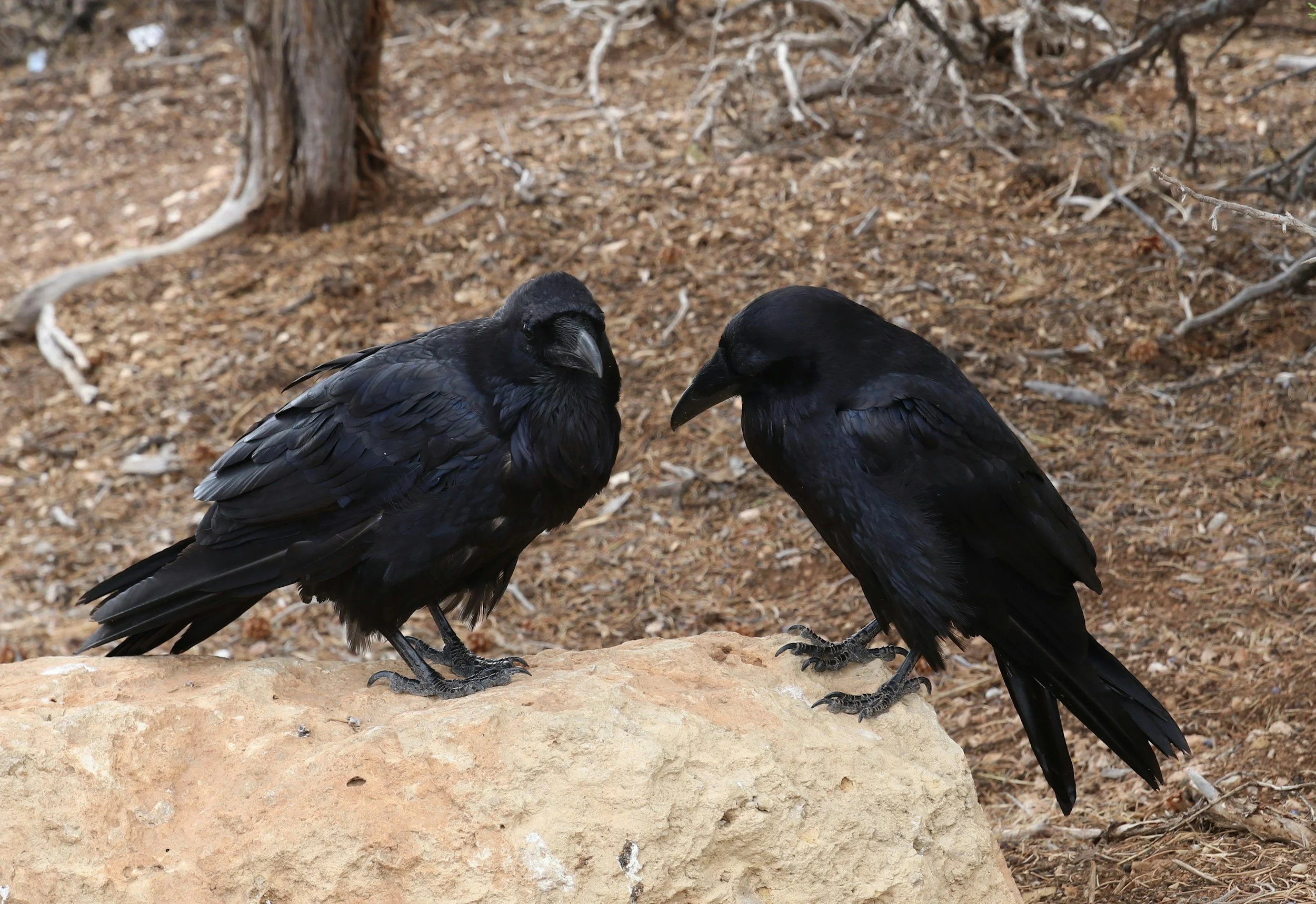
And they aren't occasional visitors.
This bonded pair passes over my property multiple times a day, almost like clockwork. Usually around lunchtime, somewhere between 12:30 and 1:00, I'll hear that familiar call and look up to see them making their rounds.
They have a territory.
Apparently, I live in it.
I've also watched them chase off other ravens that venture into their space. Sometimes their fly-bys feel less like casual sightseeing and more like a very serious neighborhood patrol.
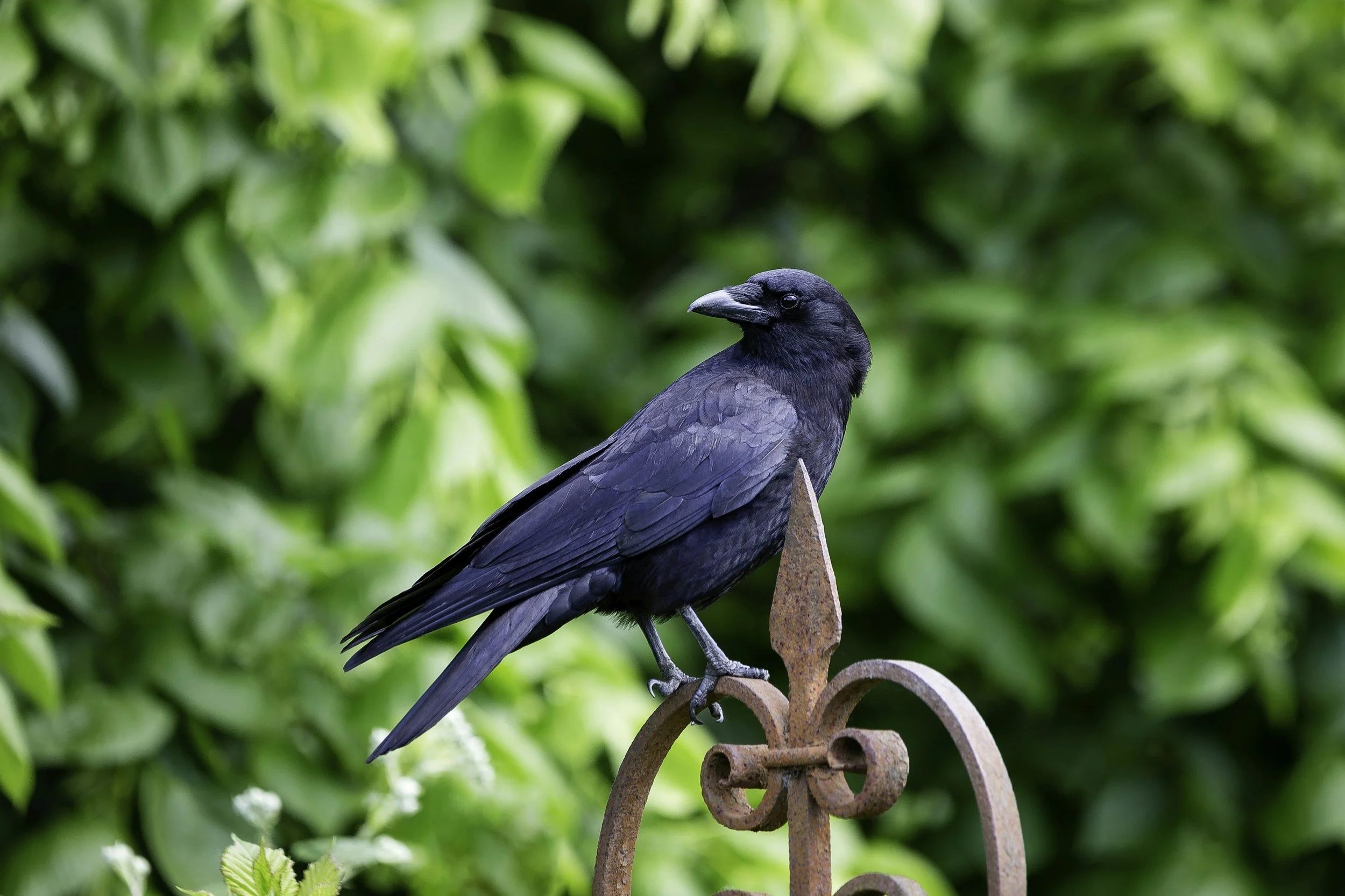
courtesy of @pete_nuij
When I started paying more attention to ravens, I went down the inevitable rabbit hole of researching them. There's plenty of information about trying to attract ravens, including advice about leaving out food and even shiny objects.
The more I read, though, the less interested I was in trying to encourage them.
They are happy with their estate.
A few things I learned about ravens
Breeding pairs defend territories and can be very protective of their space.
Young ravens eventually leave their parents' territory and head out on their own.
Ravens that aren't part of a breeding pair may live a much more wandering lifestyle.
Despite all the stories about ravens and shiny objects, leaving random sparkly things around isn't some guaranteed raven-attracting trick.
And if you're hoping to keep a garden full of smaller songbirds, intentionally attracting a pair of large territorial ravens may not be the best strategy.
I love watching these two, but I also enjoy my Black-capped Chickadees, Dark-eyed Juncos, Pine Siskins, and woodpeckers. I've noticed that the Steller's Jays seem to disappear when the ravens are making their rounds, although I don't know enough about their interactions to say exactly what's going on.
Recently, I saw a lone raven with remarkably battered, torn-looking wings. It wasn't behaving like the pair I normally see, and I didn't get a good enough look to know who it was.
Was it one of the pair? A younger bird that had left its parents' territory? A raven from somewhere else?
I have no idea.
And that's part of what makes watching birds so fun. You notice something, make a guess, and then keep watching.
For now, I'll keep listening for that familiar khawwwwh, that loud, almost gurgling sound, and looking up.
They're usually right on schedule.
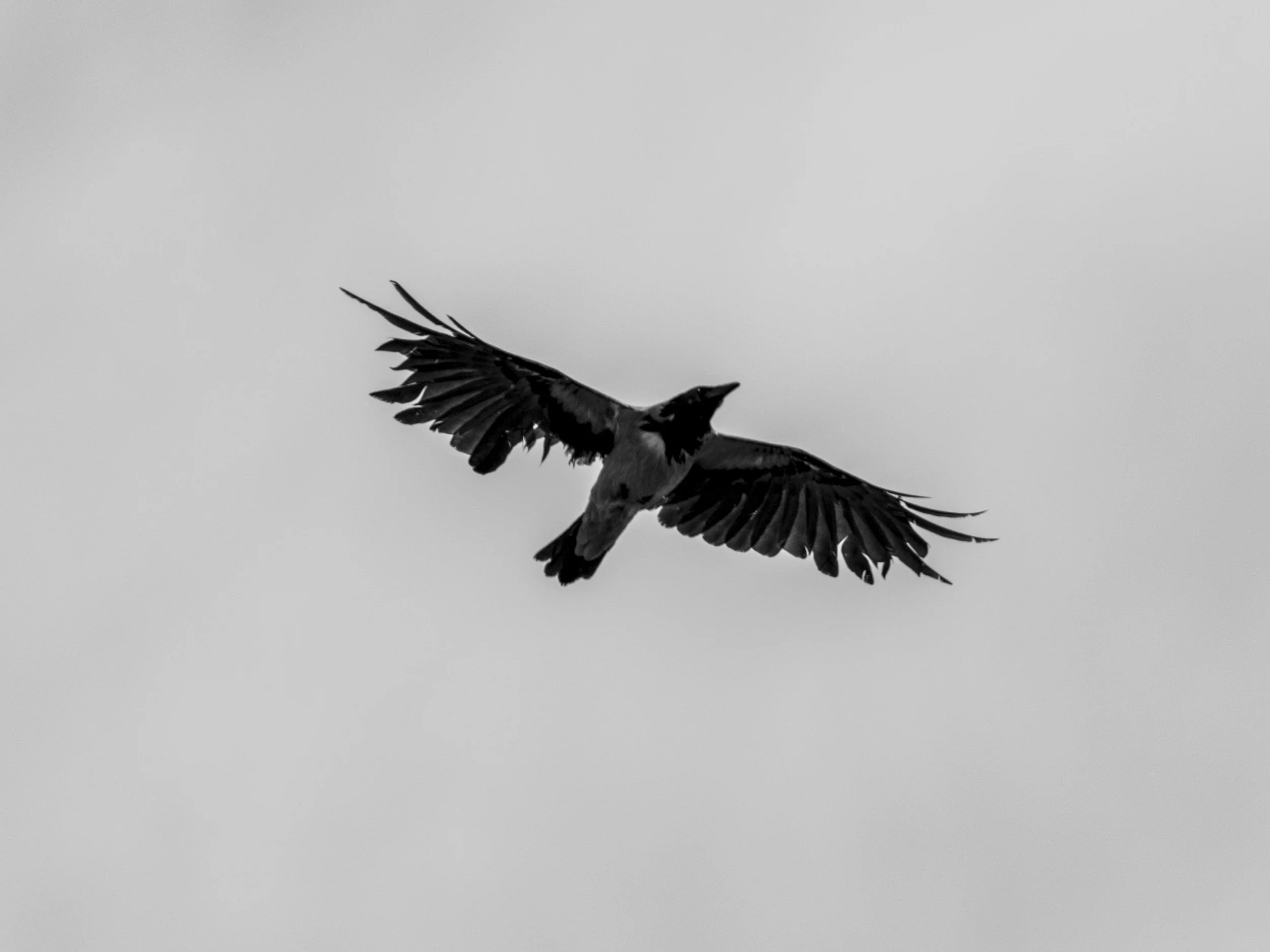
courtesy of @enginakyurt