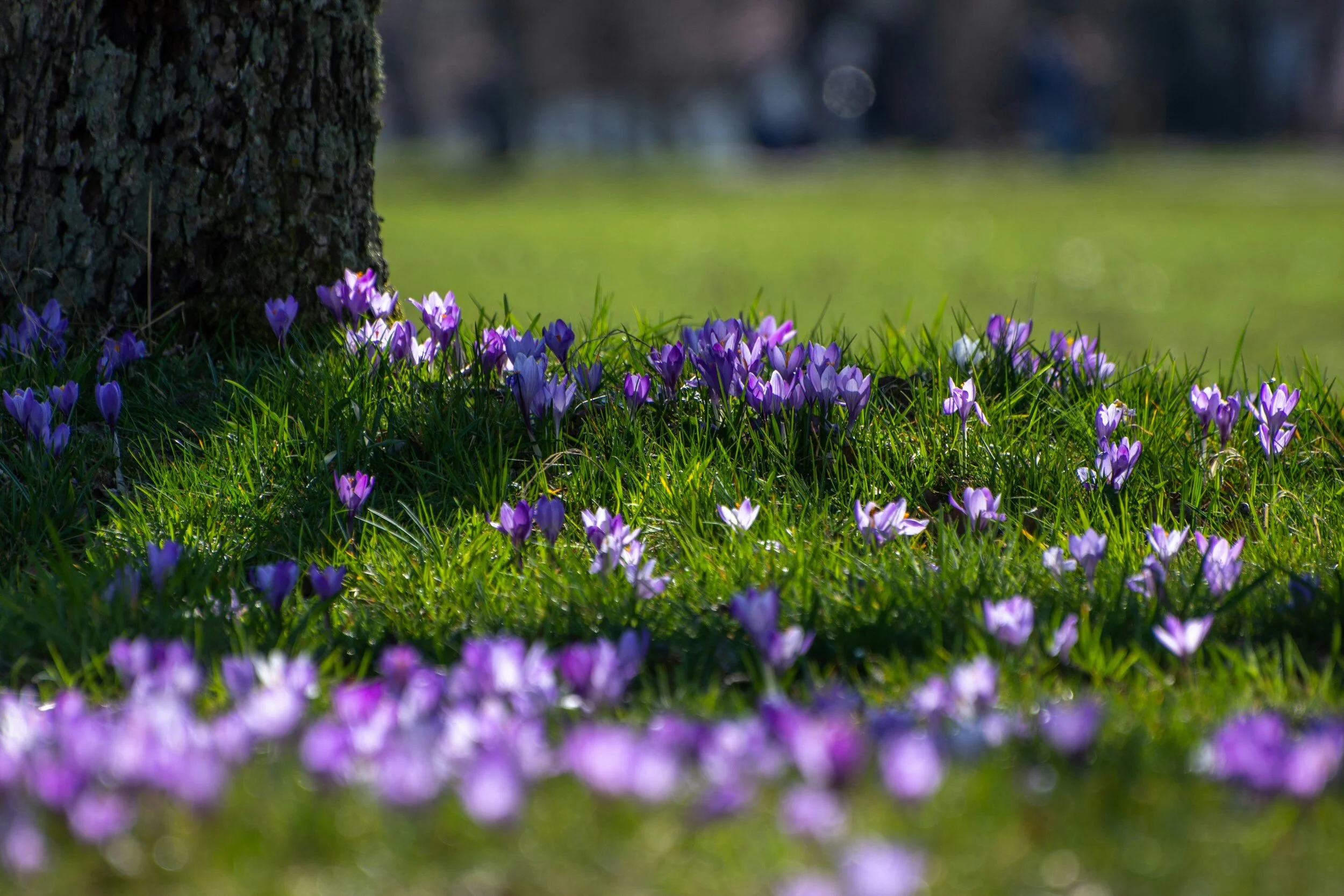
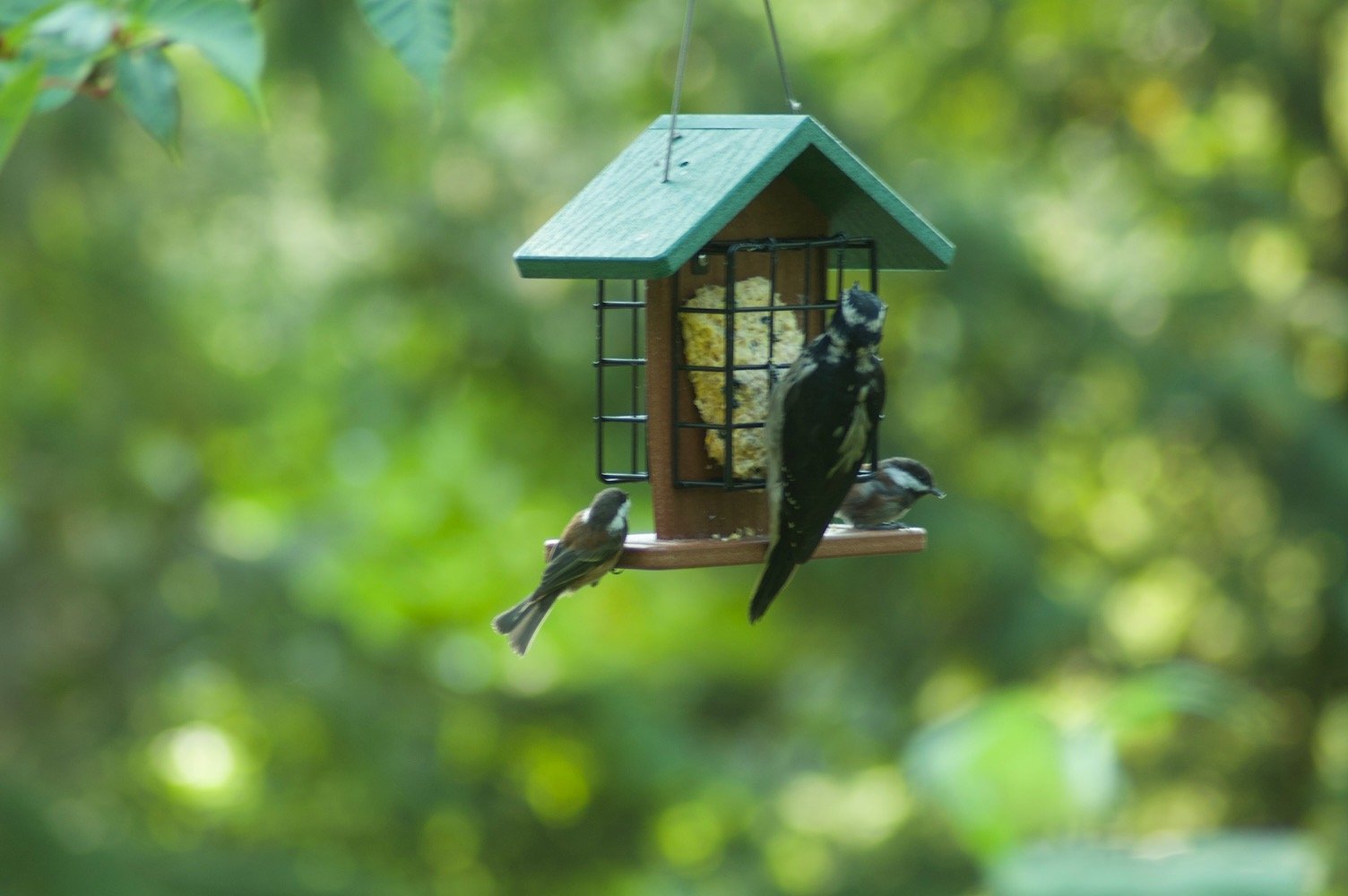
New feeder, same bird politics…

With the upcoming workshop, I thought it would be fun to share a little more information about Kokedama!
The Japanese word Kokedama translates to “moss ball” and refers to a traditional form of gardening that embraces the philosophy of Wabi-Sabi – an appreciation for the beauty of things that are imperfect, impermanent, and incomplete.
The distinctive round shape of a Kokedama is created by covering a plant's roots with soil and moss, then securing everything into a ball. You can display your Kokedama sitting on a decorative saucer or hang it from the ceiling. Personally, I love grouping several moss balls together for a bigger impact!
After making quite a few Kokedama, I've experimented with different ways to give them a little more support and structure. Making a traditional moss ball is relatively simple, but keeping everything intact can be the tricky part, especially once the Kokedama is repeatedly handled and watered.
I've experimented with several wrapping materials. Clear fishing wire works well, but it is annoying to tie in a knot, especially when you can't see it! I've found that tying a small piece of colored tape to one end helps keep it from disappearing while I'm working. I've also used sewing needles to help with the weaving process.
Of all the materials I've tried, twine is by far the easiest to wrap and tie. The downside? If you keep wrapping and wrapping, eventually you won't see much moss! Twine and fishing wire also have a breaking point, so the goal is to keep everything secure without going overboard.
I've also started using a few pieces of stronger-gauge wire as a sort of backbone for the moss ball. Depending on the size of the Kokedama, I use the right sized plastic nursery pot to help create the initial framework. The wire is shaped into something that looks a little like a simple spiderweb, and placing that framework into the pot helps create a nice, rounded shape before the moss is added.
Once everything is covered, the wire becomes part of the structure without being particularly noticeable. And if you do end up with a hole or a loose spot, don't panic! It is surprisingly easy to patch the area with a little more moss and rewrap it with clear wire.
The moss I use is found in uneven sheets, generally around 4-5 inches across, but each piece is hand-collected, cleaned, and dried locally. That means we're not going to find the perfect sheet of moss for every ball, but that makes it more fun. You can select mosses with a uniform color or create a patchwork with different shades.
I much prefer working with real, imperfect moss than trying to make every Kokedama look identical. Each one ends up with its own shape, texture, and little quirks. Very Wabi-Sabi.
Think of it as:
When your Kokedama feels noticeably lighter or the moss ball feels dry, place the entire ball in a bowl or container of water. Allow the soil and root ball to rehydrate thoroughly, then remove it and let it drain completely before returning it to its saucer or hanging display.
Most plants can be submerged long enough to rehydrate the soil, but don't leave your Kokedama sitting in water for an extended period of time. The roots still need oxygen, and prolonged saturation can lead to root rot.
As a general starting point, 10-15 minutes is usually plenty. One of the easiest ways to learn when your Kokedama needs water is simply to pick it up. You'll quickly learn the difference between a freshly watered moss ball and one that is ready for a drink.
Watering frequency will vary depending on the plant, temperature, light, humidity, and how quickly your particular Kokedama dries out.
Light: Match the light requirements of the individual plant.
Water: Soak when the moss ball has dried noticeably, then drain thoroughly.
Humidity: Many Kokedama appreciate some humidity, especially tropical plants.
Fertilizer: Feed lightly during the growing season according to the needs of your particular plant.
Moss: Occasional misting can help keep the moss looking fresh, but misting alone shouldn't replace watering the root ball.
And remember: the plant inside your Kokedama is still a plant! Its care needs don't change just because its home is a moss ball.
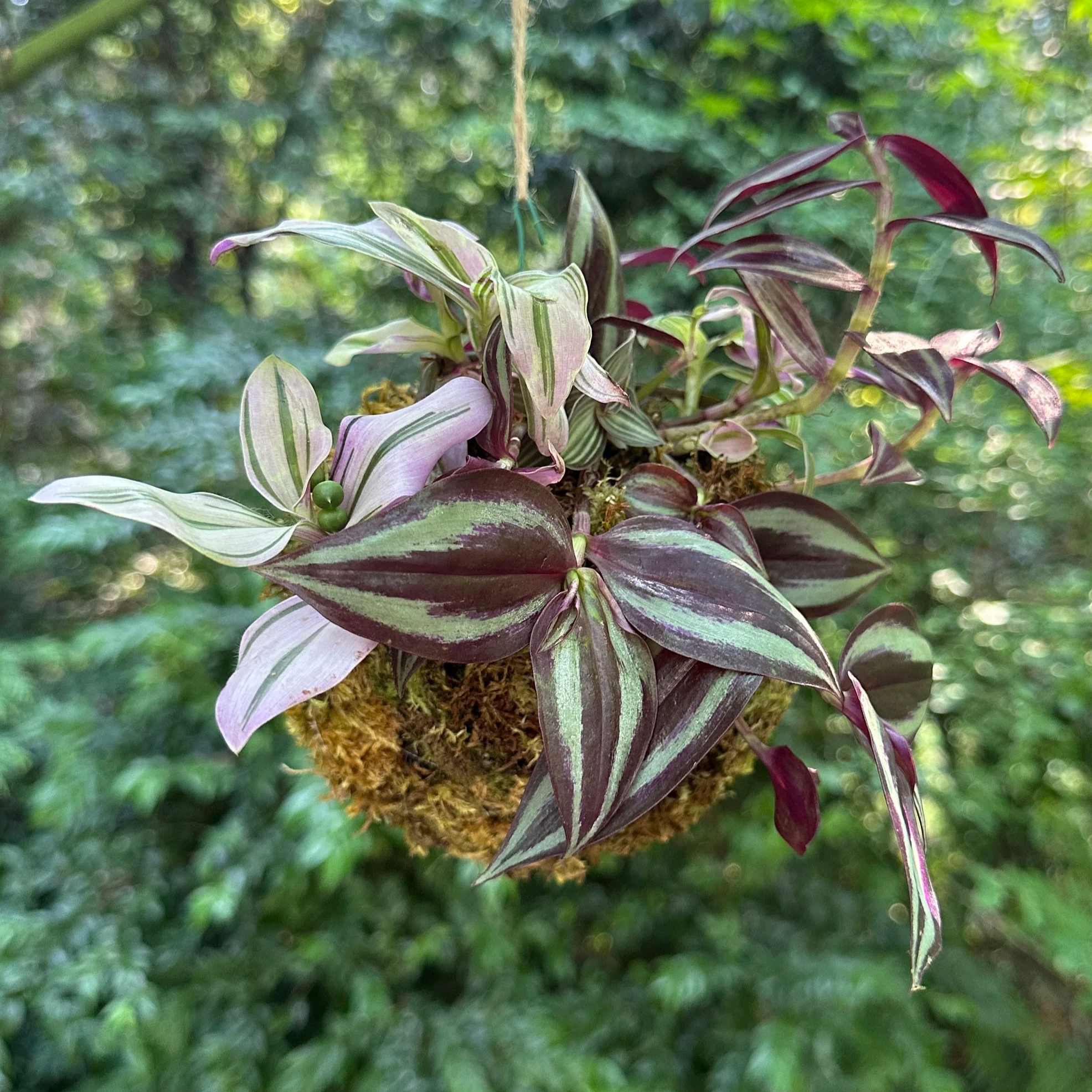
There's something especially satisfying about creating a living piece of art with your hands and then watching it change over time. Like a garden, a Kokedama is meant to change. The moss may grow, the plant will change with the seasons, and the ball itself will slowly take on its own character. That's part of the beauty.
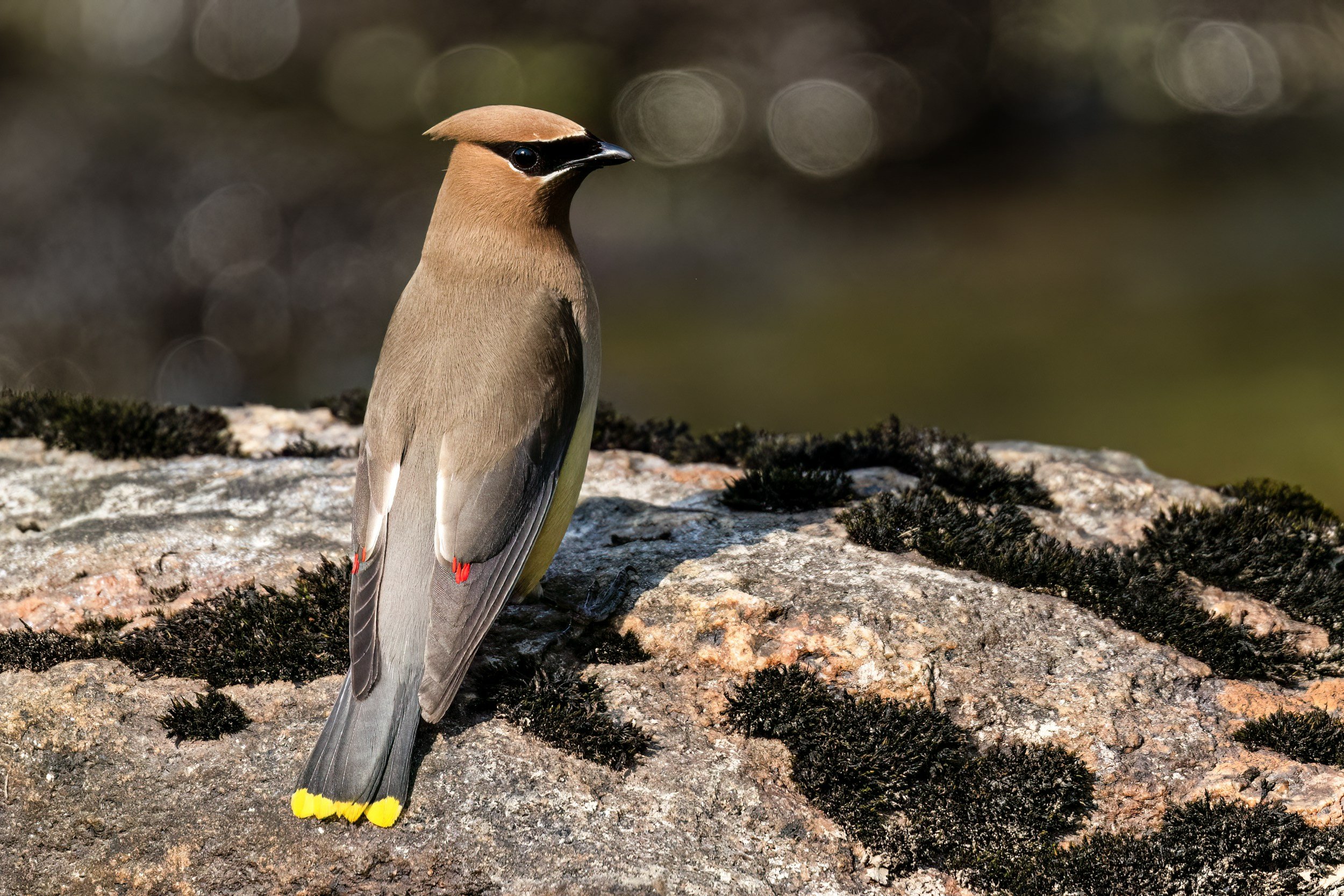
Courtesy of Camerauthor Photos @camerauthor
Cedar Waxwings are, in my opinion, one of the most beautiful birds you can spot in a Pacific Northwest garden. I waited for years hoping to see one on my property. A friend once told me they aren't all that common and you don't often get lucky enough to spot one.
When I first started paying closer attention to what was happening right outside my window, it was exciting enough to see the flashy yellow and red Western Tanager. They were attracted to the fresh water in the bird bath and the variety of food I had placed around the garden.
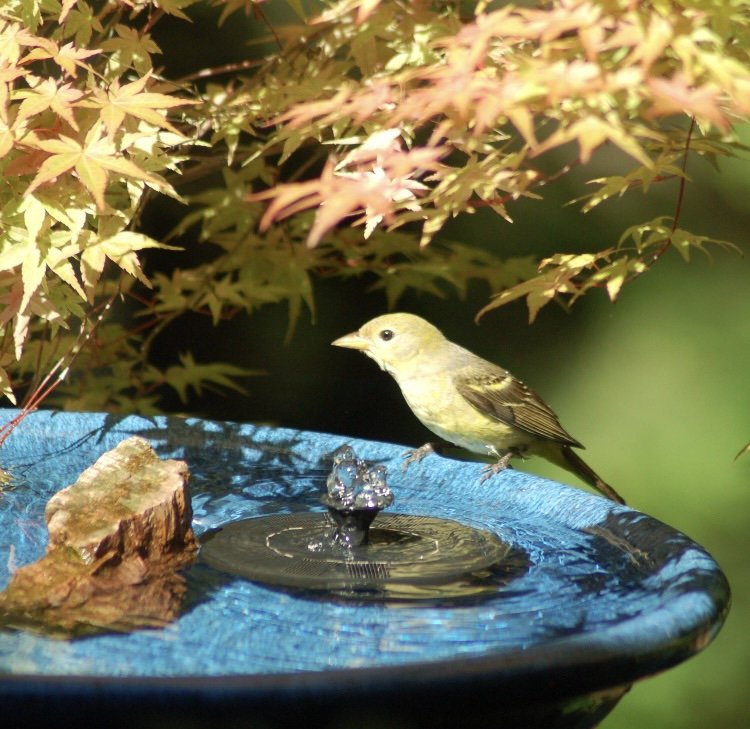
The first time I saw a Cedar Waxwing, I could barely believe it. It was perched on the bird bath, calmly sipping water. I grabbed my phone and tried to snap a picture, but I only managed to take a very grainy video. So disappointing!
Seeing them in person is incredible. The feathers look so smooth and that eye makeup is so dramatic. In the photo above you can see the yellow-tipped tail feathers and the tiny red waxy tips on the wings. When they hop or take flight, those colors swirl together in a way that’s honestly a little mesmerizing.
I haven't seen a Cedar Waxwing on my property in almost two years now, but I'm hopeful that 2026 will be their year. We do live in the Olympic Rainforest after all, where the wildlife here never stops surprising me.
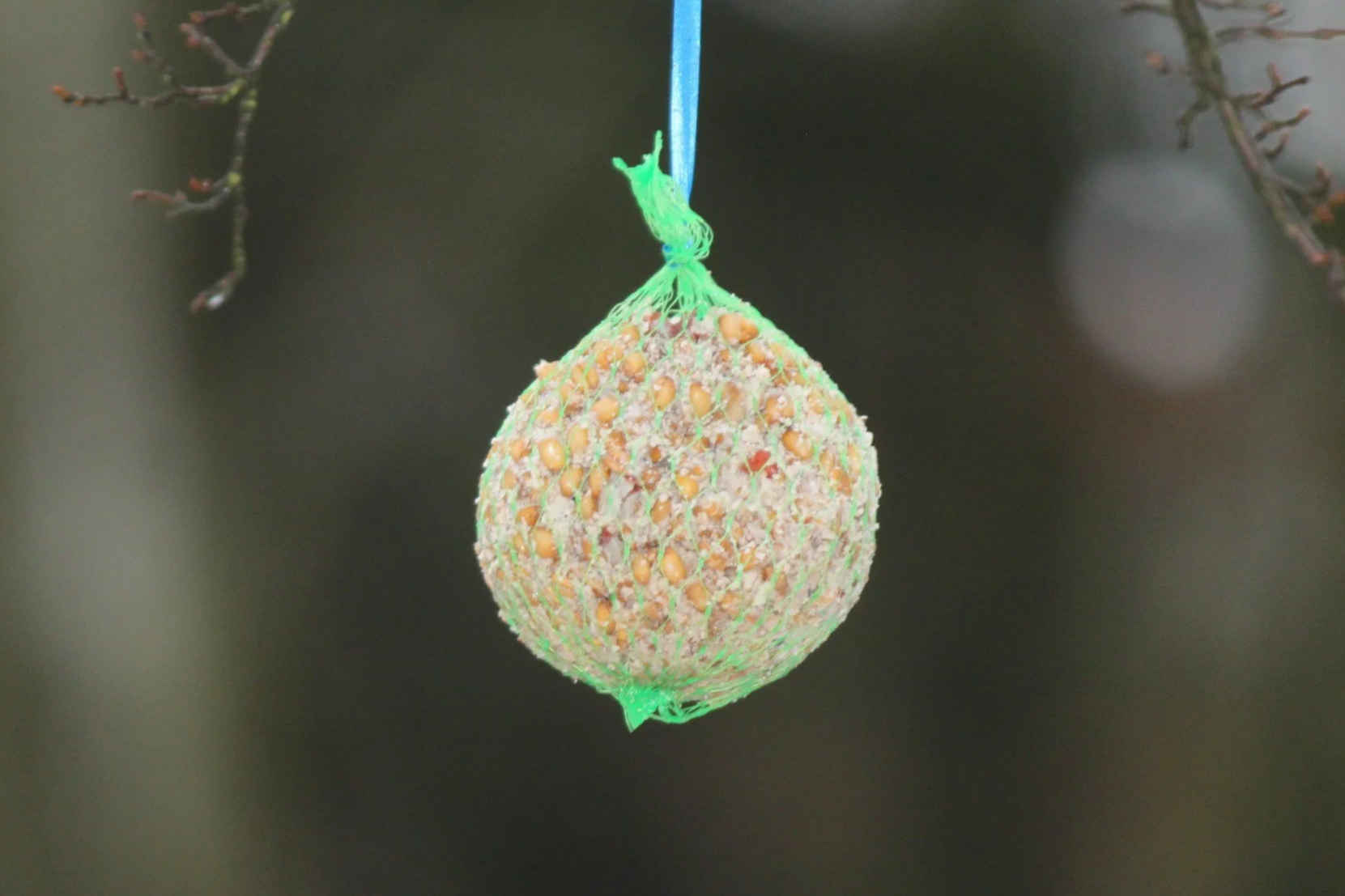
1. Provide food: Cedar Waxwings eat fruit, insects, and sugary drinks. Planting native plants that produce berries, such as elderberry and serviceberry will provide a natural food source for the birds. They LOVE serviceberry- it’s an early spring bloomer. You can also put out a fruit feeder; I have had luck with both Tanagers and Cedar Waxwings with my homemade suet cakes.
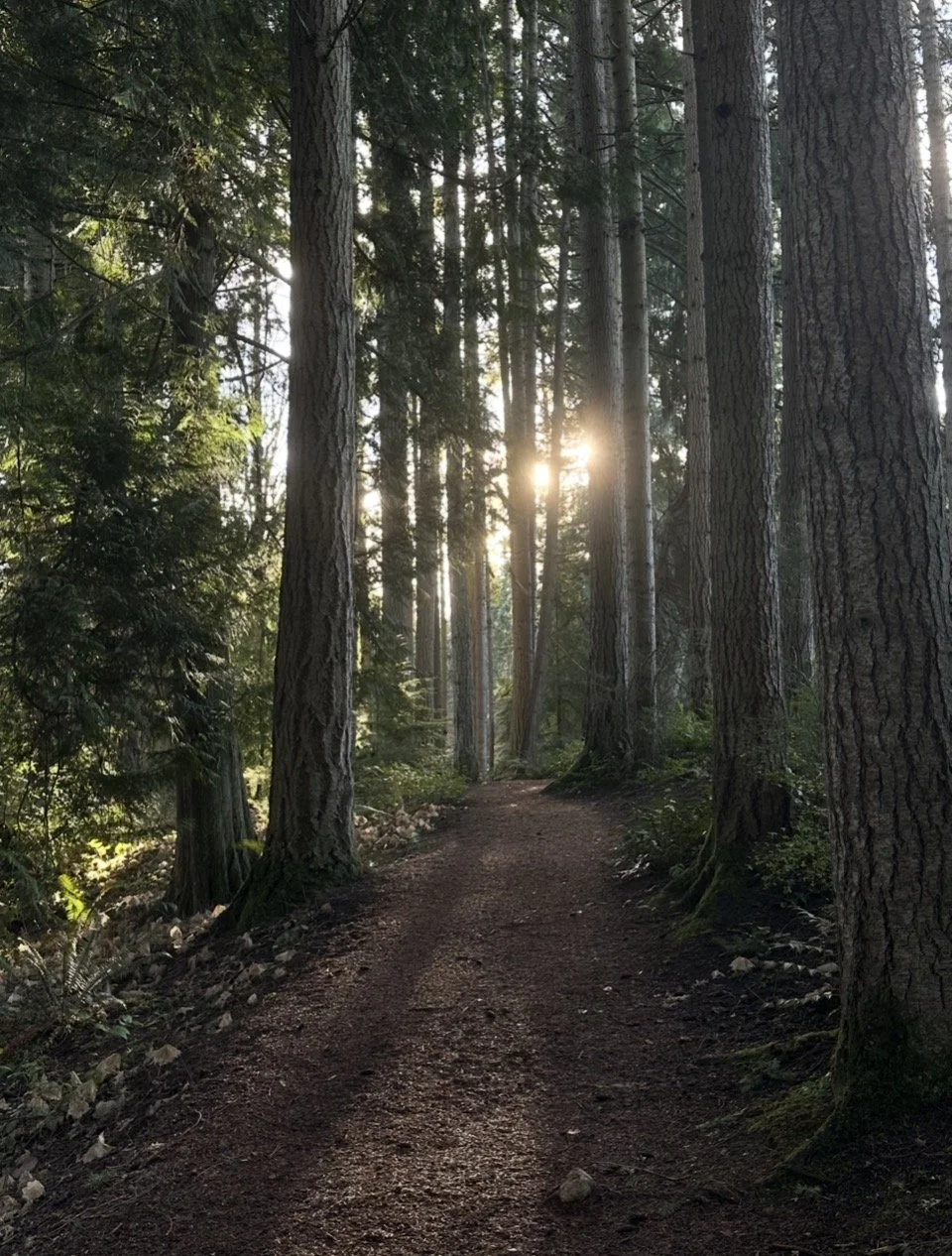
2. Think about habitat: Cedar Waxwings like open woodlands and forest edges with trees that produce fruit, native or otherwise. Planting a mix of deciduous and coniferous trees can provide the habitat they need, providing food and cover throughout the year.
3. Provide fresh water: Like all creatures, Cedar Waxwings need water for drinking and bathing. Add a bird bath or small water feature to provide a source of water. Just remember that stagnant water is a big no-no. Bacteria and algae thrive in still water, so make sure to clean your bird bath regularly and replace it with fresh water to keep your feathered visitors healthy.

4. Skip the pesticides: Avoid using them whenever possible. These chemicals harm the insects that Cedar Waxwings rely on for food. If you want a healthy and diverse insect population in your garden, steer clear of the potent stuff. If you’re dealing with pests and aren’t sure what to do, feel free to send me an email and we can work on a plan together.

5. Provide nesting materials: Cedar Waxwings build their nests using grasses, twigs, and soft plant fibers. Leaving a small brush pile or allowing natural garden debris and dead leaves to remain in certain areas can provide the materials they need to build their nests.
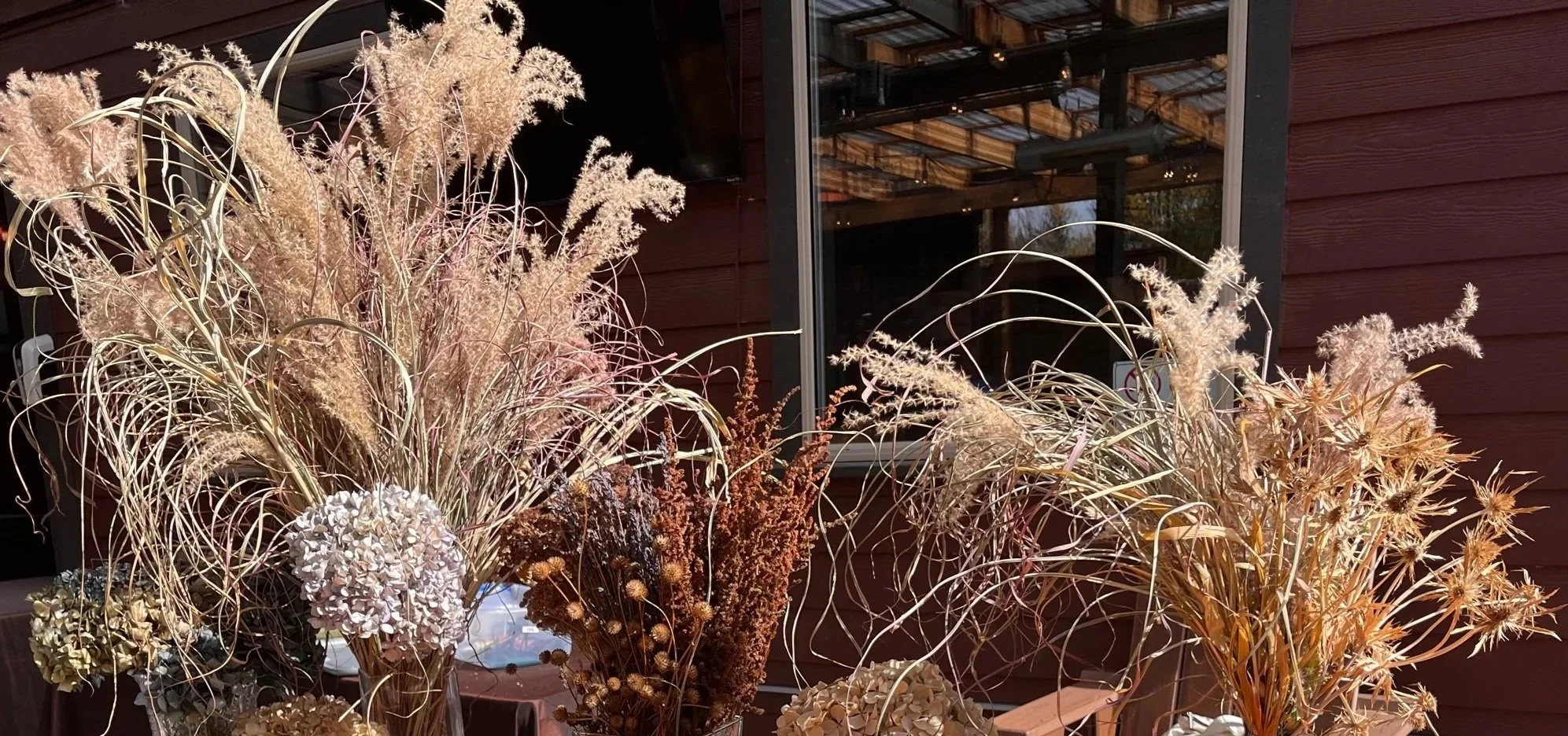
6. Be patient: It may take some time for Cedar Waxwings to find your garden. Begin providing food/food sources (homemade suet, native and other fruit bearing trees and shrubs), fresh water, a more protected or sheltered area to improve their habitat, and they may eventually become regular visitors.
My ultimate goal is increasing the diversity of native species on my little piece of land. That doesn’t stop me from mindfully adding ornamental plants as well. Gardening is always a balance.
I’ve lived on this property for over ten years now, and it has been thrilling to watch the same family of Western Tanager return each summer. And don’t even get me started on all the hummingbirds!
The Pacific Northwest truly is a wonderland filled with living things waiting to be discovered.
It’s never too late to start paying attention.
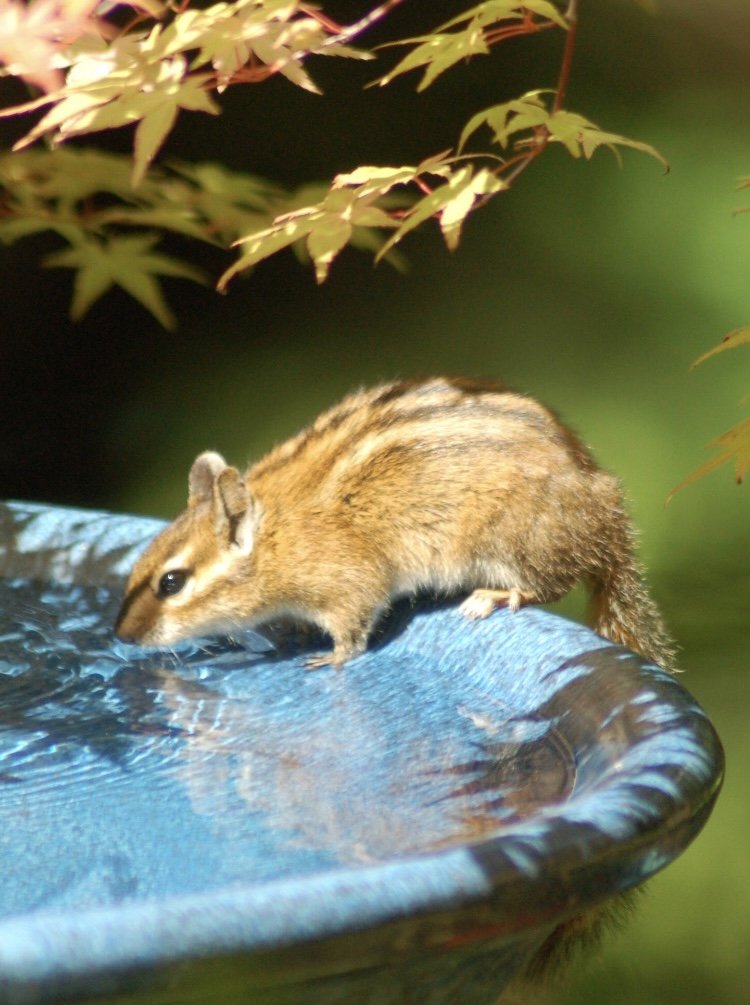
Hi I'm Chip!
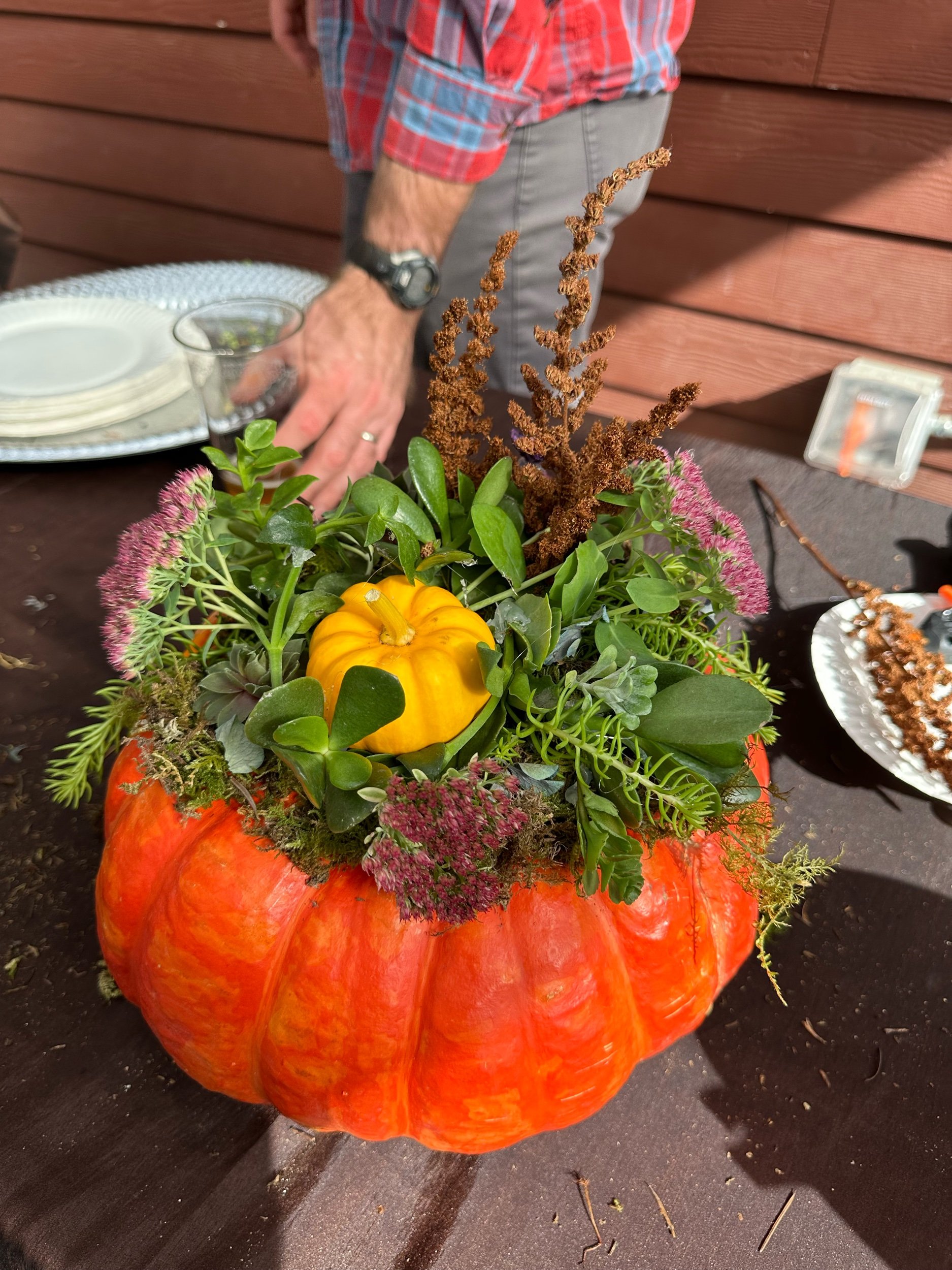
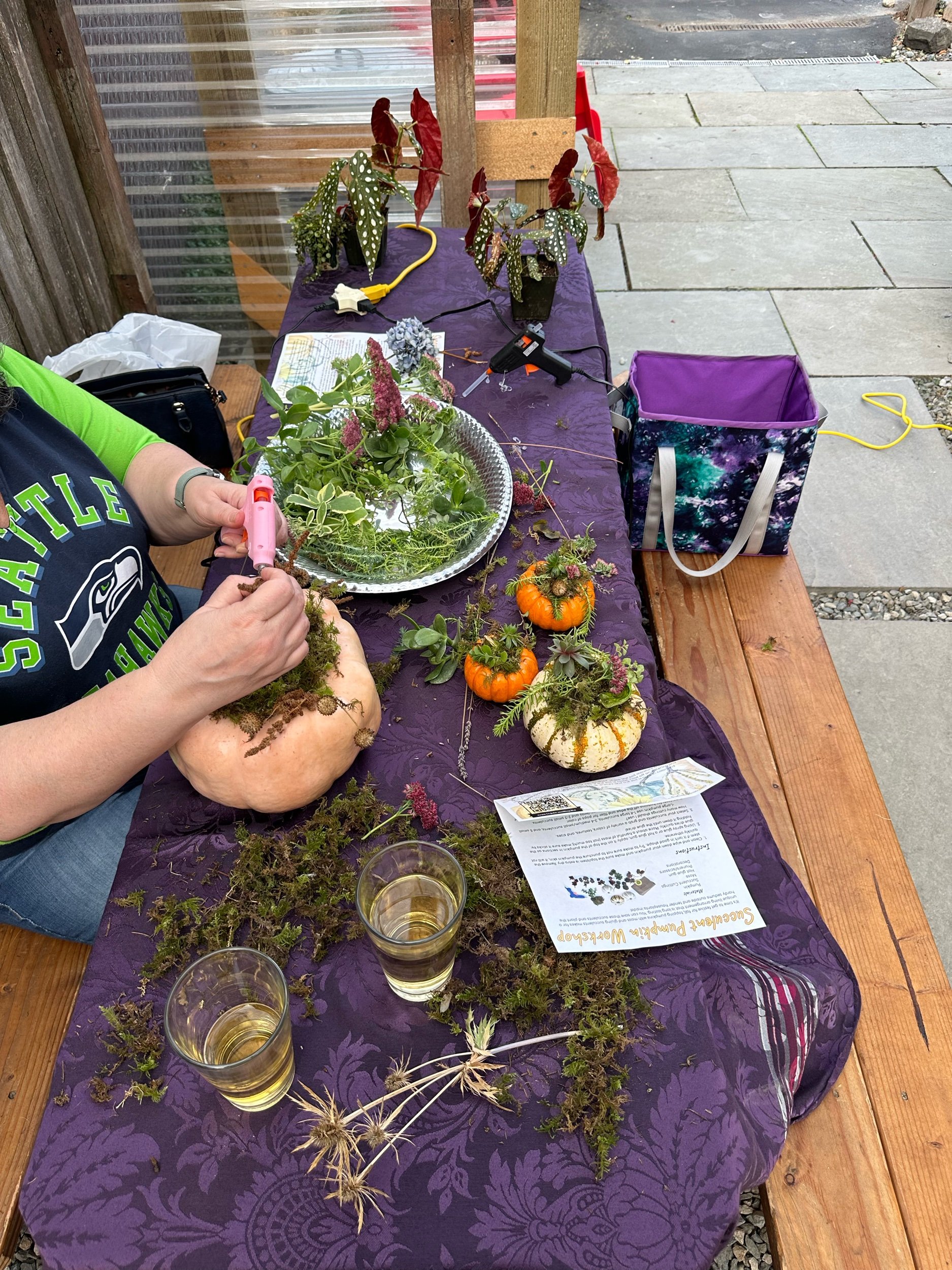
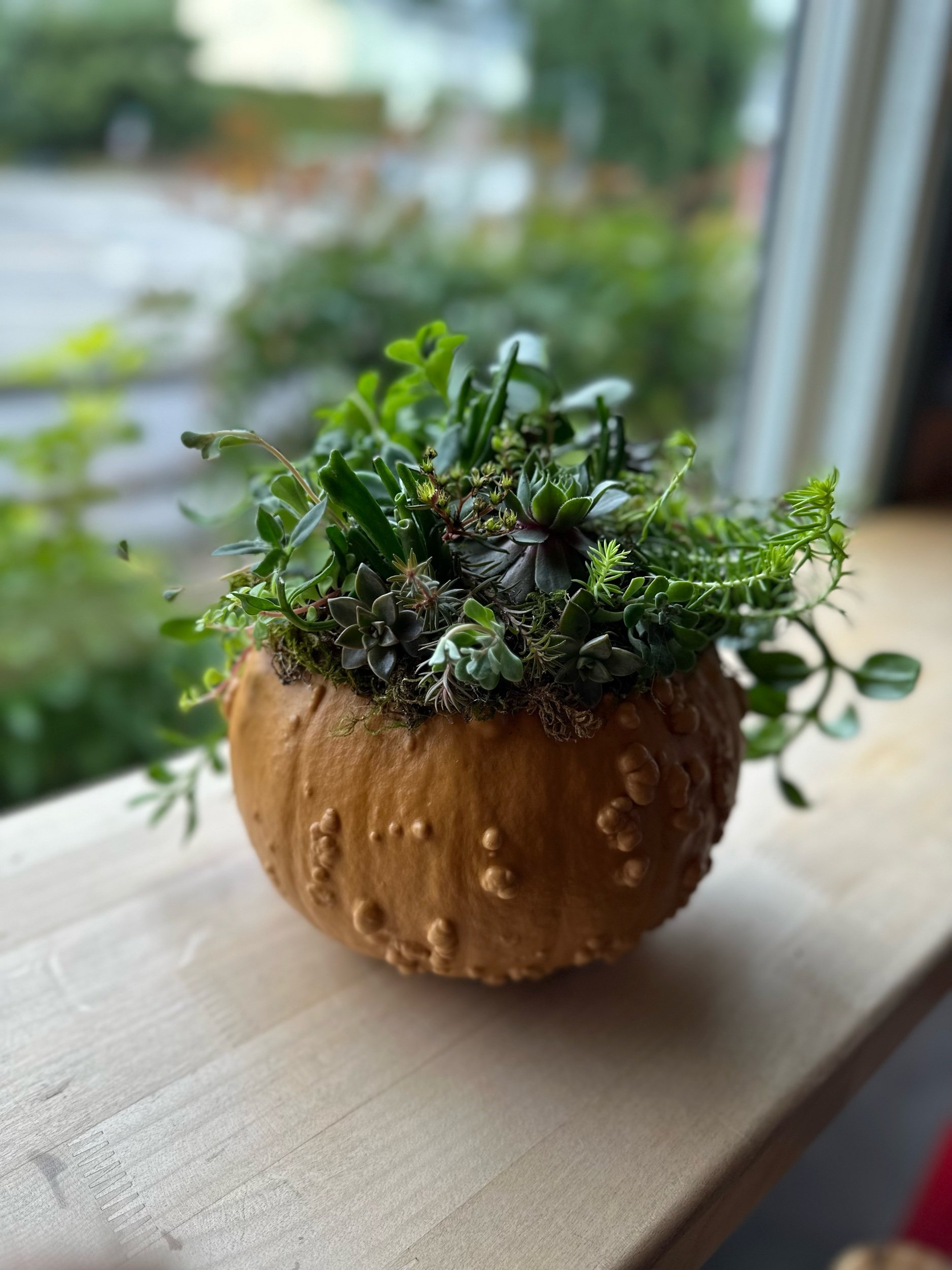
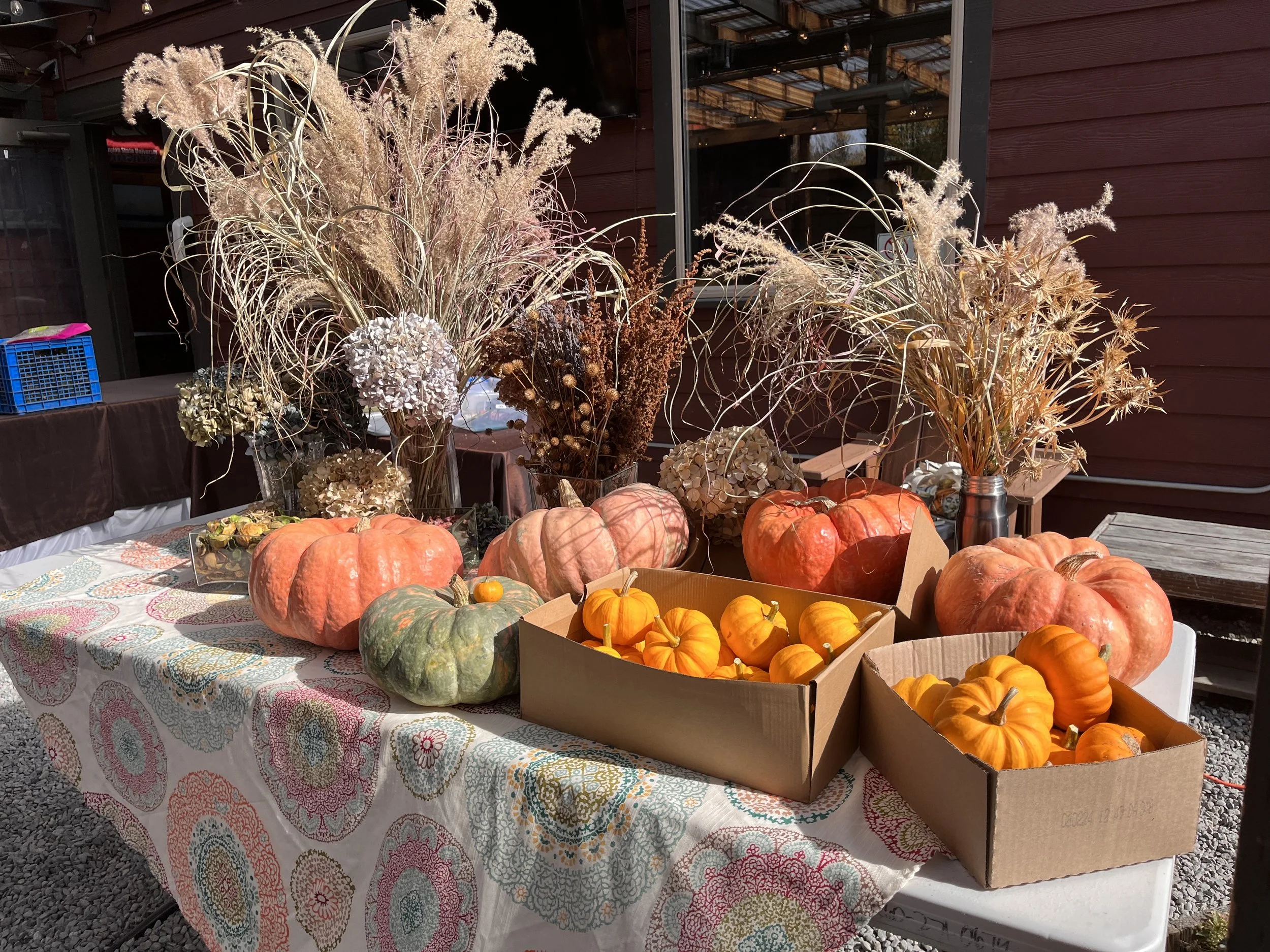
Succulent pumpkins are back! Last year we let our creativity go wild with hardy sedums, sempervirens, tender succulent houseplants too, donning our pumpkins with a mossy cap and hot gluing our desired cuttings directly on top!
Fall is here and it’s time to turn an ordinary pumpkin into a work of living art!
Bring your pumpkin and join me at Friends and Neighbors Brewing in Kingston and we’ll create beautiful succulent-topped arrangements that last for months.
Instead of carving, we’ll decorate pumpkins with moss and assorted succulents. The best part? When the season is over, you can pot up your plants to enjoy for years to come.
🗓 Saturday, October 11th at Noon
📍 Hosted by Friends and Neighbors Brewing, 10991 NE State Hwy 104, Kingston, WA
💲 $40 — includes your first beverage, succulents, supplies, decorations, and instruction
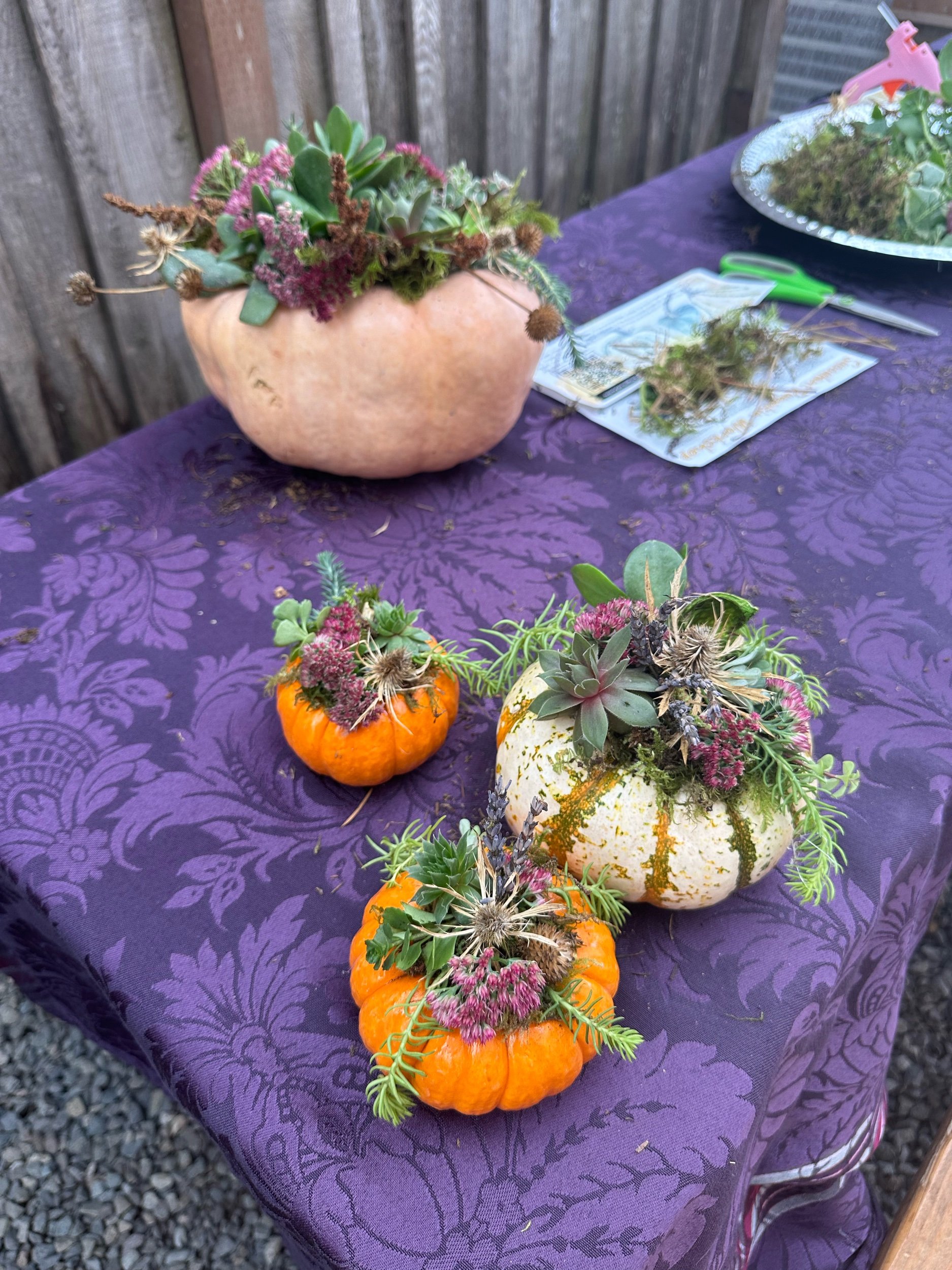
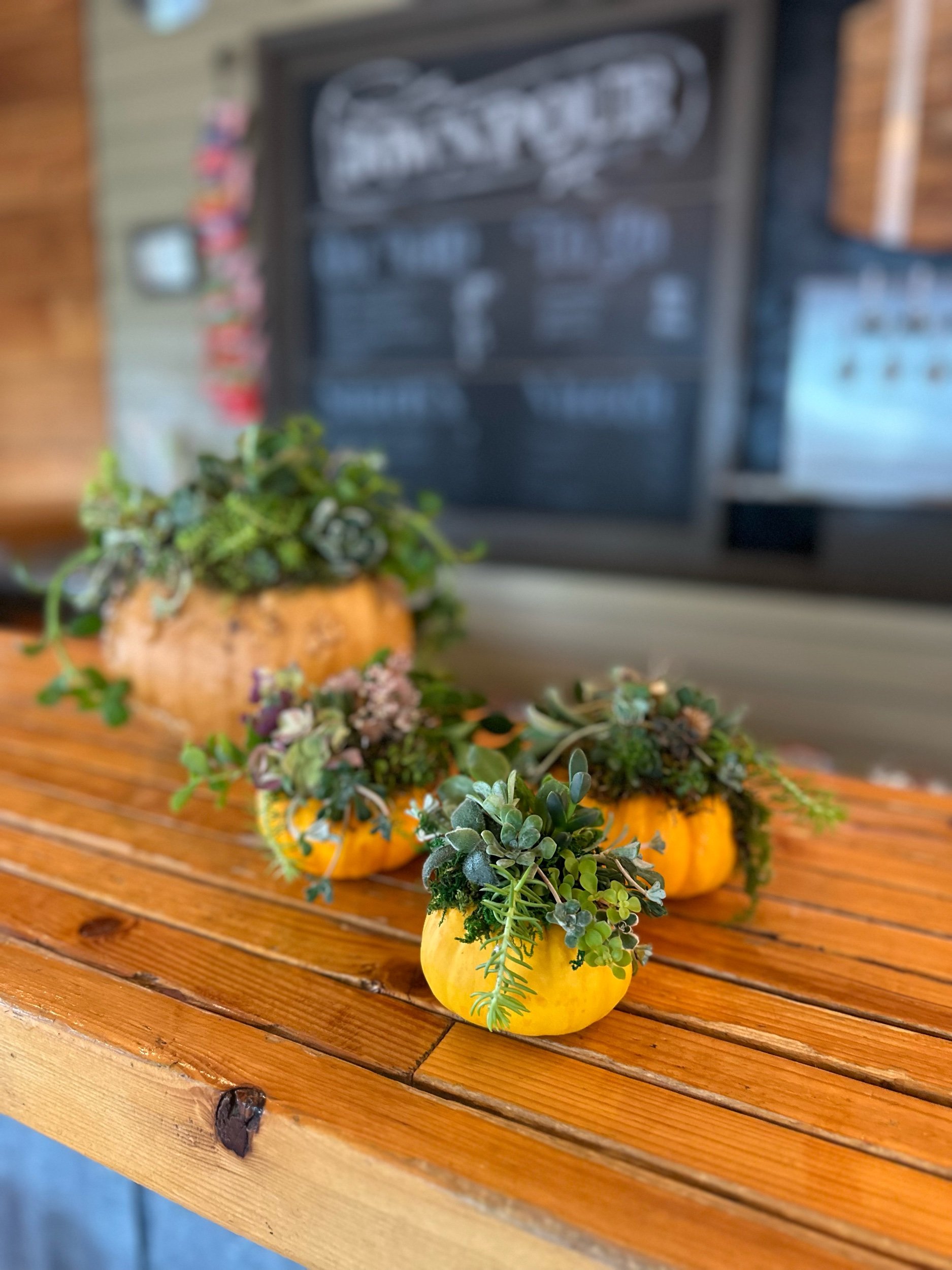
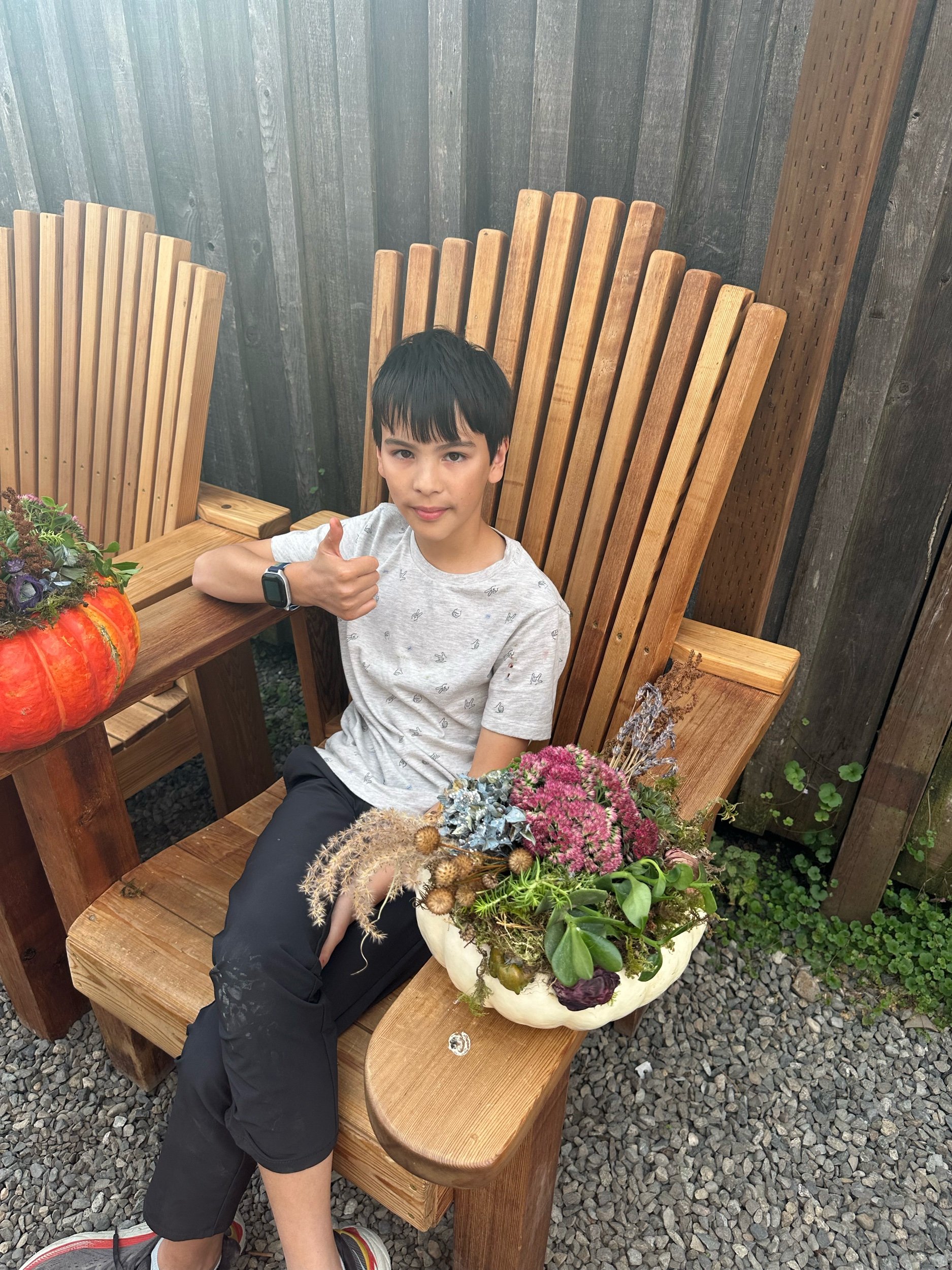
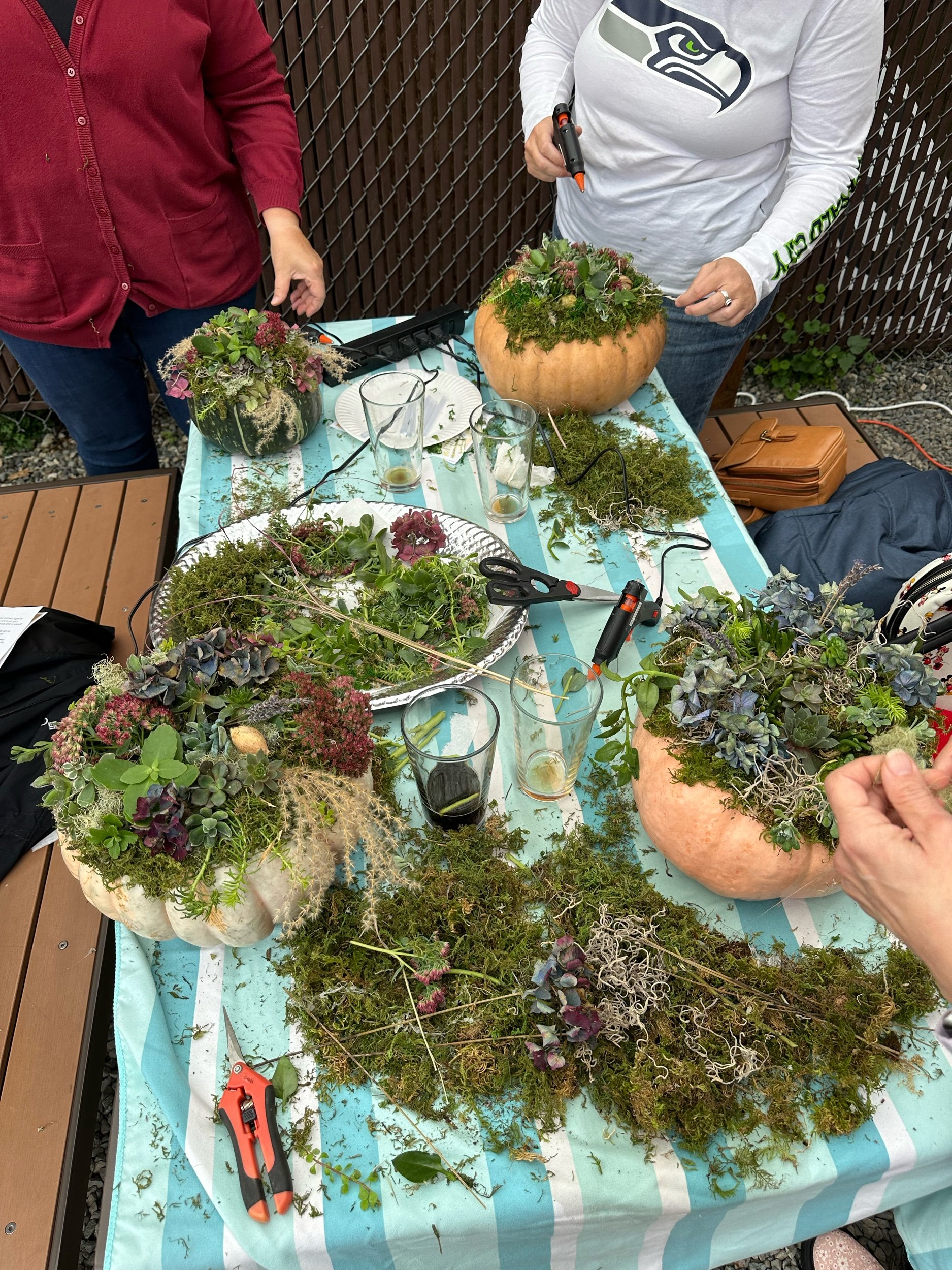
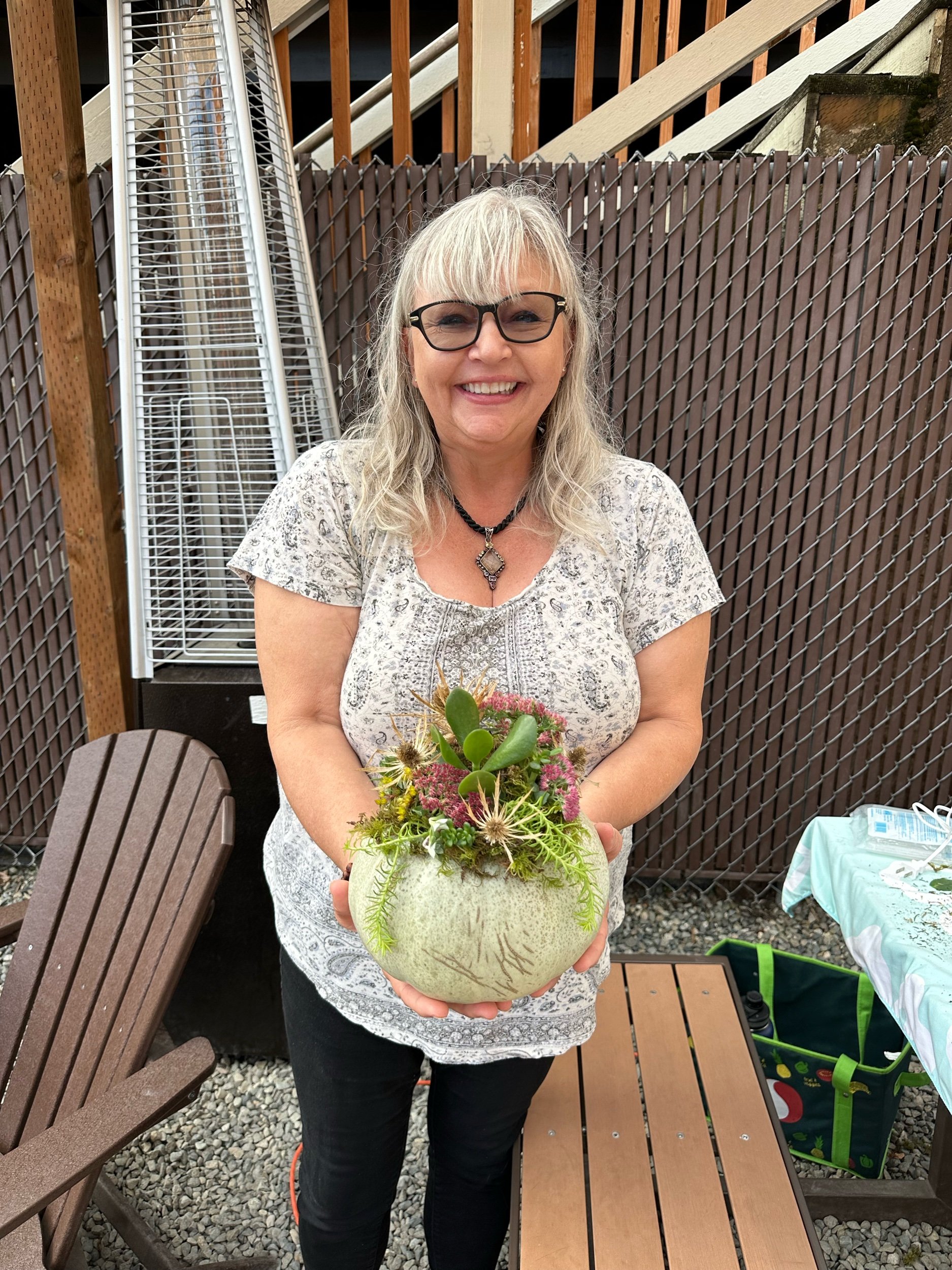
Take a look below at past creative examples!

Hi there! If you are new or returning, please join the mailing list for future workshop alerts.
I am contemplating adding an option to bring your own vase from home or use a provided dish with floral foam. Don’t you think this would open it up for more creativity? You can select the height of your arrangement depending on where you are placing it. I always suggest using floral foam for centerpieces, no one wants to talk across the table through a rosebush. I saw a really cute idea with carrots for vase arrangement but I’m worried the dimensions needed might be too specific. Good thing I’ve got time to make up my mind. If you like the idea of using a vase, let me know!
It has been several months since my last update and there’s no time like the present to share pictures of the past workshops at Downpour Brewing. Most recently, we all created beautiful, dreamy Valentine’s Day arrangements. Wreath making was a great success with 4 classes offered and full! Every year in October we pick out pumpkins and design an arrangement with tender and hardy succulents that sit right on top of a moss-covered pumpkin. The best part is the succulent cuttings rooting right into that moss which can be potted up as houseplants. The gift that keeps on giving.
Thank you to all who have joined for the past workshops and I look forward to seeing you again soon!

February 2025 - Valentine’s Floral Arrangements
December 2024 - Wreath Making
October 2024 - Succulent Pumpkins

Western tanagers are beautiful birds that are attracted to gardens in the Pacific Northwest. Here are some tips for encouraging them in your garden:
1. Provide food: Western tanagers eat insects, fruit, and nectar. Planting native plants that produce berries and fruit, such as huckleberry and serviceberry, can provide a natural food source for the birds. You can also put out nectar feeders or mealworms to supplement their diet. They love sunflower seeds too!

2. Create a habitat: Western tanagers prefer open forests and woodland edges. Planting a mix of deciduous and coniferous trees can provide the habitat they need. They also prefer trees with dense foliage for nesting.

3. Offer water: Western tanagers need water for drinking and bathing. A bird bath or small water feature can provide a source of water for them.
4. Avoid pesticides: Pesticides can harm the insects that western tanagers feed on. Avoid using pesticides in your garden to help maintain a healthy insect population.
5. Provide nesting boxes: Western tanagers typically nest in coniferous trees. You can provide nesting boxes designed for them to encourage them to nest in your garden.

6. Be patient: It may take some time for western tanagers to find your garden. Be patient and continue to provide food, water, and habitat, and they may eventually become regular visitors. I started off with a pair and have watched them raise their babies. Now I have several that frequent the canopy, birdbath, and feeder. They start to show up around May when it begins to warm up and stick around all summer and fall!

When starting or improving a garden, it is easy to get overwhelmed by all the options! Take a breath and have a good sit in your space, then:
1. Start by defining your garden philosophy and mindset. Do you want a minimalist garden, a lush and colorful one, a vegetable garden, a wildlife-friendly garden, or a combination of these? What are your priorities: aesthetics, functionality, sustainability, or relaxation? What is your budget, available space, and amount of time and energy you can invest in gardening?

2. Plan your garden design and layout based on your needs and wants. Consider factors such as sun exposure, soil type, drainage, privacy, and views. Decide on the main features, such as paths, borders, focal points, seating areas, water features, and lighting. Choose plants that suit your garden style, climate, and maintenance level. Mix and match colors, textures, and heights to create interest and balance.

3. Create a garden that appeals to your senses and emotions. Choose plants that have fragrances, textures, and shapes that you love. Add elements that stimulate your sight, hearing, touch, taste, and smell, such as bird feeders, wind chimes, water features, herbs, and fruits. Use colors that evoke the mood you want, such as calming blues and greens, energizing yellows and reds, or soothing pastels. If you are adding hardscaping, decks, paths or walls, think about the materials you’d prefer to see out your window everyday. It is worth it to invest in quality stone and other sustainable materials; it will increase the value of your property by a surprising amount!
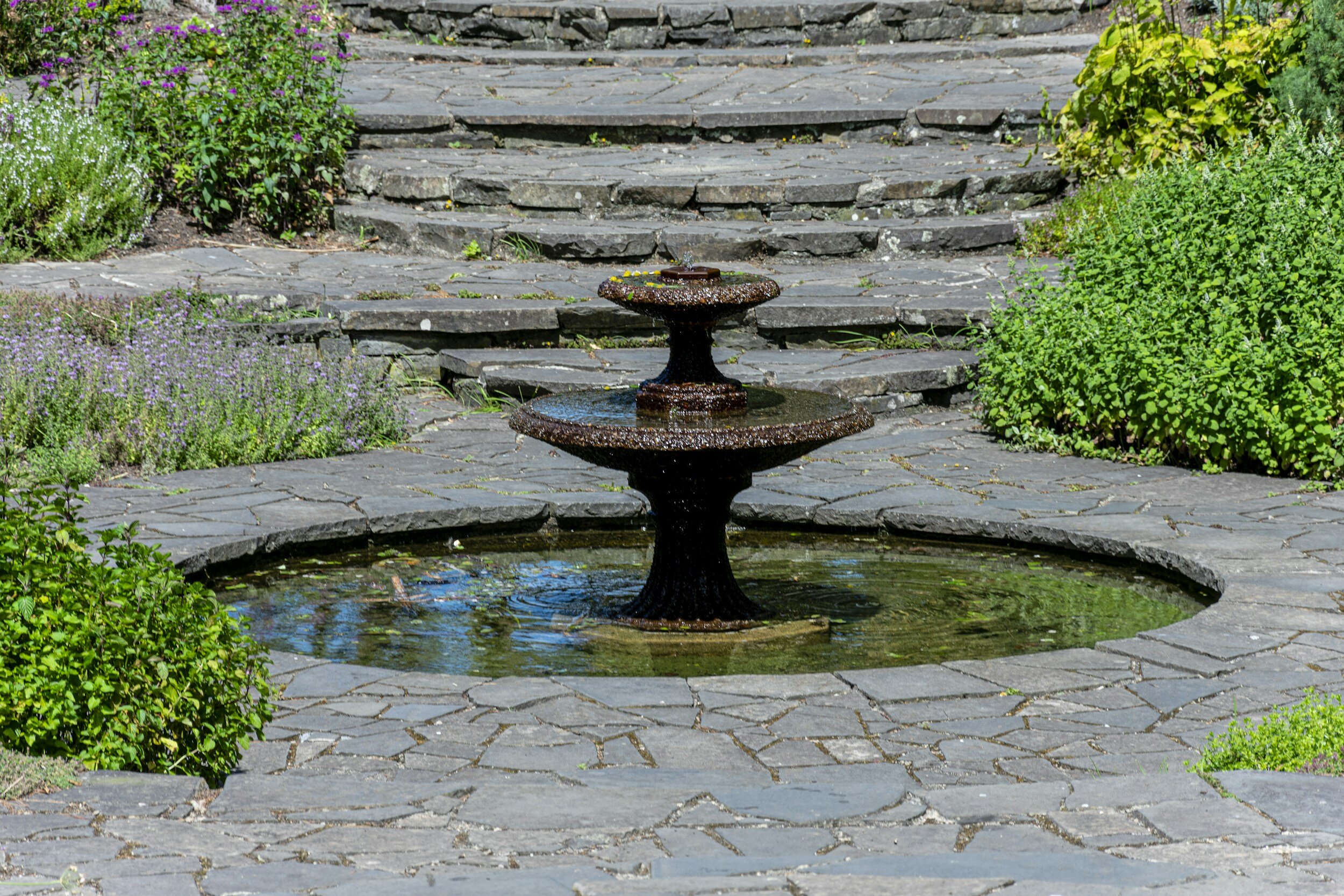
4. Make your garden a reflection of your personality and values. Use decor, artwork, and accessories that express your creativity and interests. Choose materials and techniques that align with your sustainability goals, such as recycled or repurposed items, organic fertilizers, and native or drought-resistant plants. Invite wildlife by providing food, shelter, and nesting sites, and avoid using pesticides and herbicides that harm beneficial insects and birds.


5. Enjoy your garden from different perspectives and at different times of the day and year. Create seating areas that offer different views and moods, such as a sunny bench, a shady nook, or a cozy corner. Use lighting to highlight your favorite plants and features and extend your garden experience into the night. Plant for all seasons, so you can enjoy the beauty and diversity of your garden throughout the year.

Image furnished via Unsplashed: Ries Bosch @ries_bosch

Image furnished via Unsplashed: Boom Sirada @boomsiradaaa
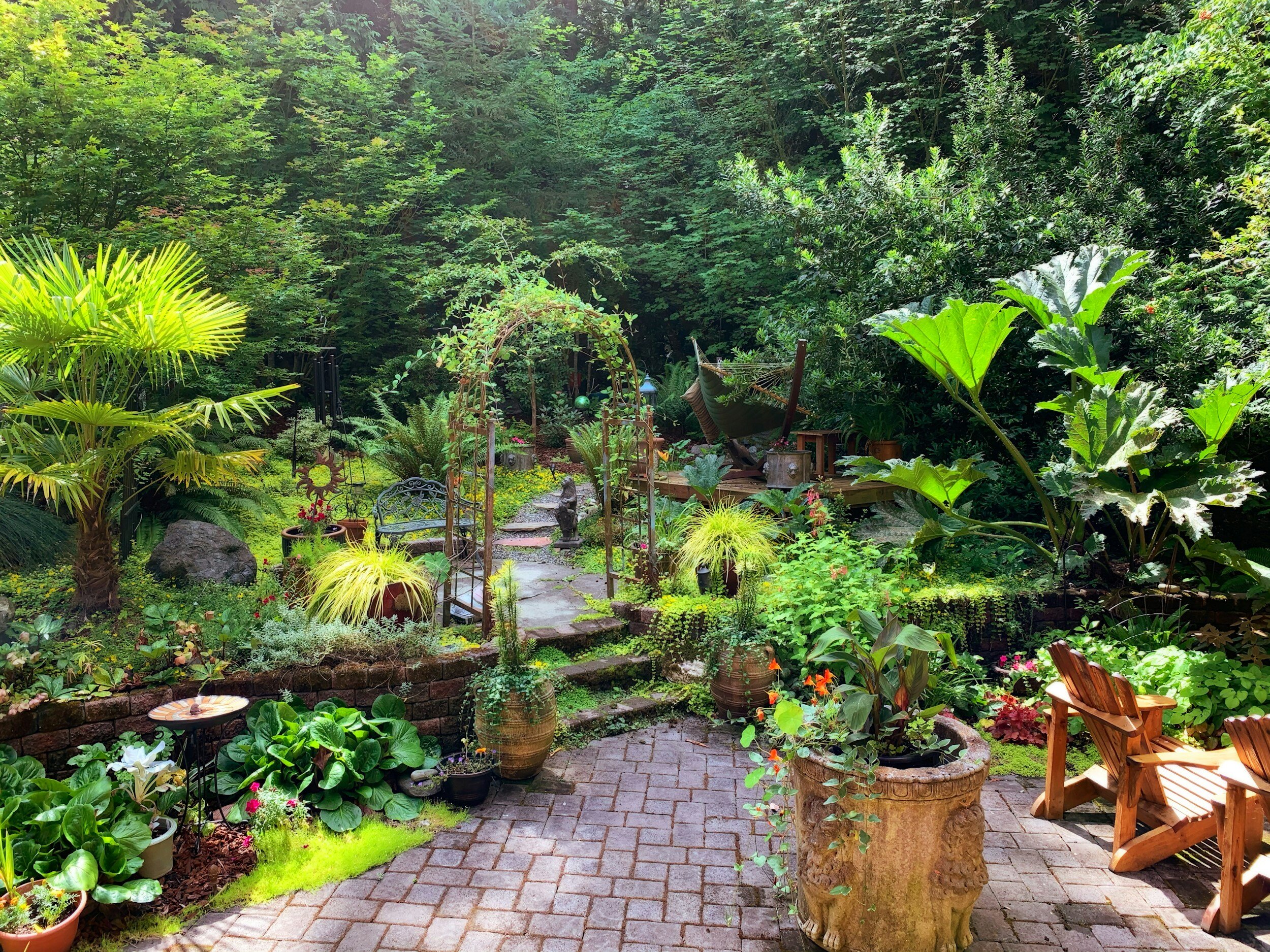
Image furnished via Unsplashed: Cee @theskyandthesea
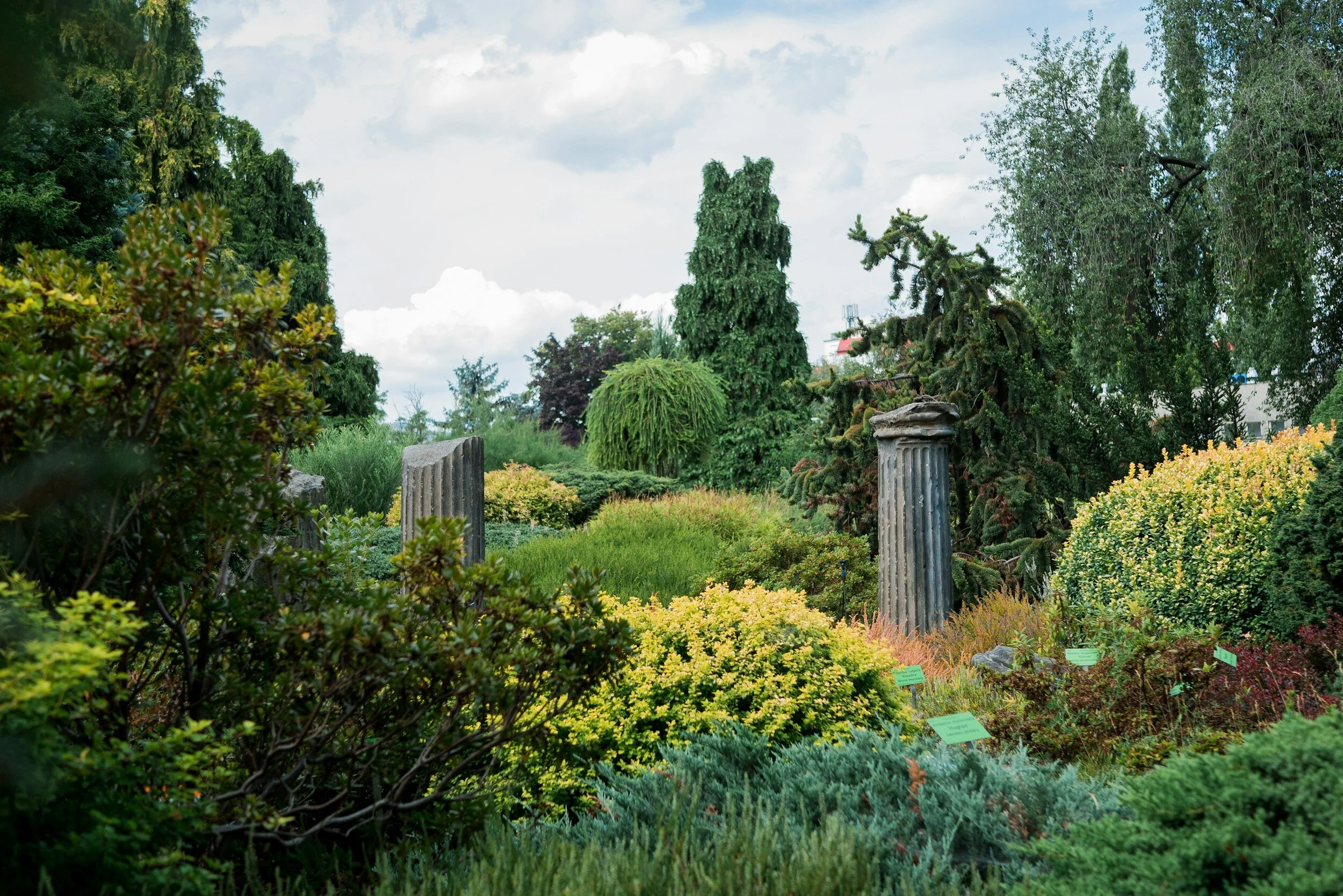
Image furnished via Unsplashed : explorenation # @explorenation

Image furnished via Unsplashed : Aniston Grace @anistongrace

Image furnished via Unsplashed : Martina Jorden @martinaj
What you will see out of the window depends on your garden layout and views. If you have a window facing your garden, you can design your garden to maximize the visual impact from that perspective. You can create a focal point, such as a statue, a sculpture, a water feature, or a flowering tree, that draws the eye and adds interest. You can also use plant textures, colors, and heights to create layers and depth, and frame your views with borders or hedges. If you have a garden that is visible from several windows or angles, you can create a cohesive and harmonious design that looks good from all perspectives.

Image furnished via Unsplashed : Rob Wingate @robwingate
This is just the beginning, I highly suggest you take your time selecting the right plants for your space. If that is too daunting, I am here for you. I offer garden walk through consultations where we will explore many options for your space. Send me a message and we can schedule the initial hour consultation to get started!
-Alison

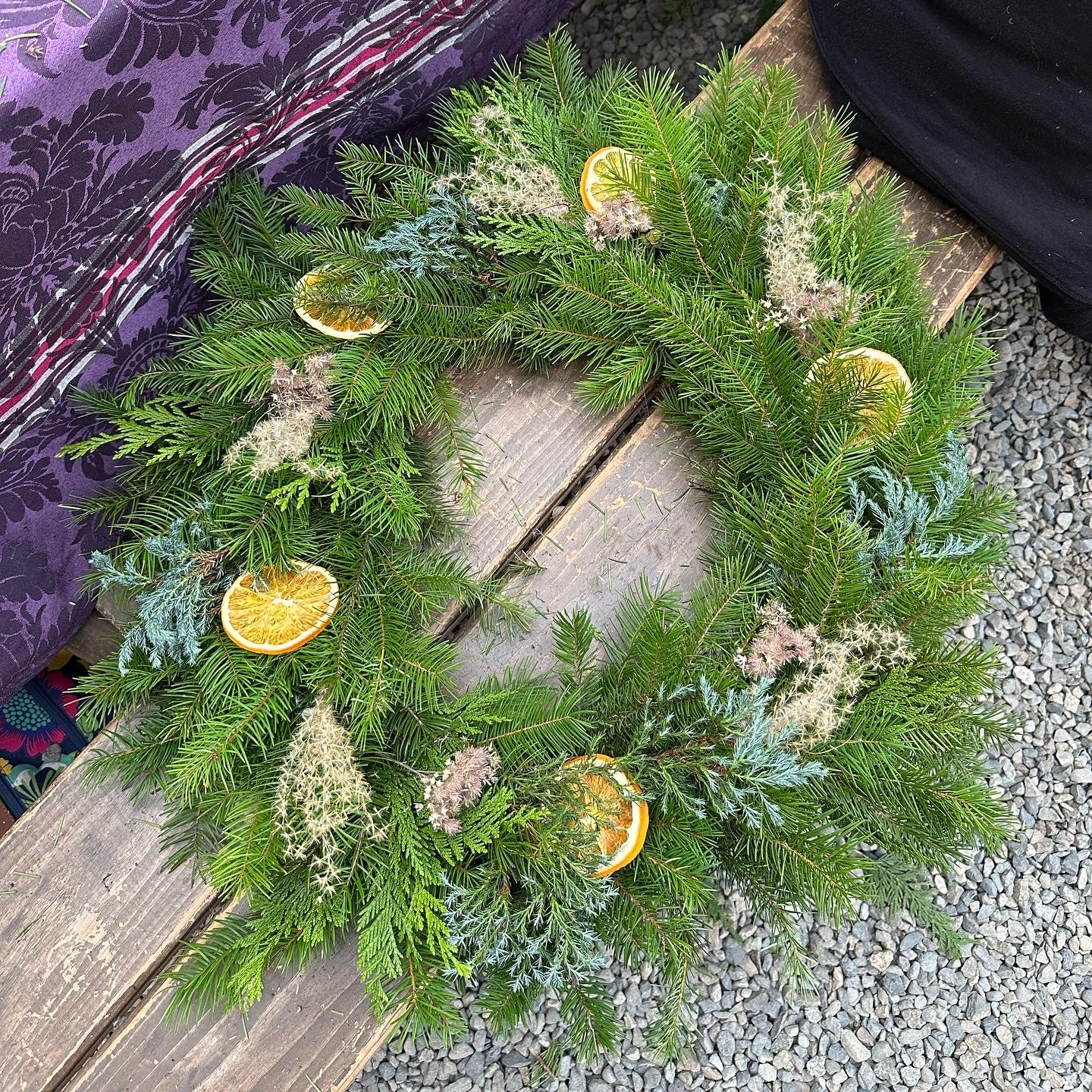
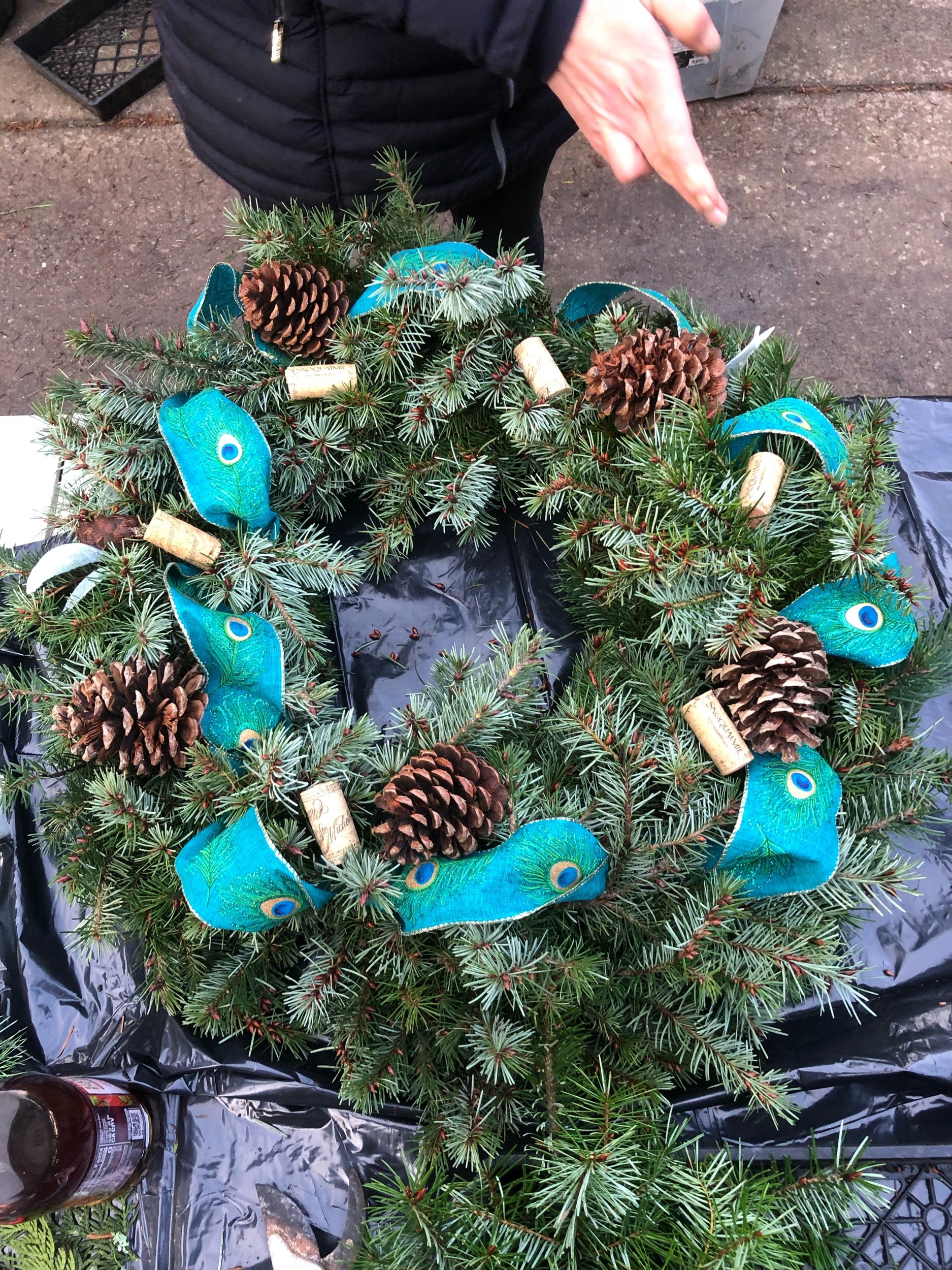
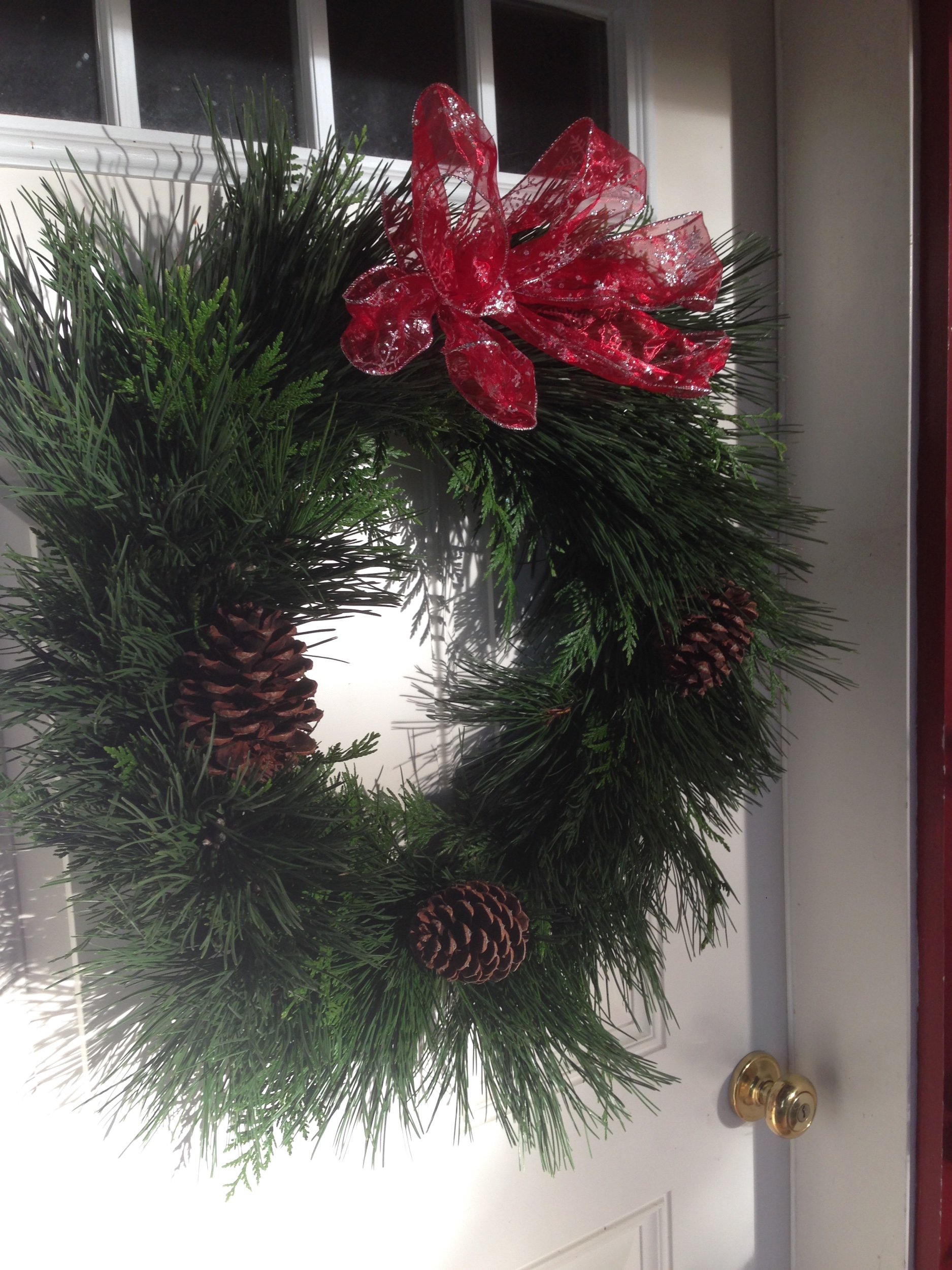
Wreath Making in the Pacific Northwest is such a treat, we have a bounty of native plants in our own backyards to design unique masterpieces! But what materials are best to use for a long lasting wreath?
Not all greens are created though. While Douglas Fir (Pseudotsuga menziesii), Western Red Cedar (Thuja plicata), and less common White Fir (Abies concolor) are excellent options for building the base for the best wreath, some greenery simply doesn’t last. I’m talking about Western Hemlock (Tsuga heterophylla). Although it has gorgeous needles with white undersides, once cut, they soon drop and you’ll have a wreath made of naked twigs; that’s no good, leave those branches on the tree!
It’s what gives any wreath that Je ne sais quoi - something shiny? Maybe some berries? Twisting, zig-zag stems? We’re looking for unique textures are colors that will stand out and create a pleasing contrast against the base greenery. There are many plants in your own garden that are great candidates for wreath making:

Pine
Incense cedar
Cryptomeria
Juniper
Arizona cypress
Rosemary
Doug fir
Western red cedar is one of my fav greens to top the bulk of the greenery, it has scaley, shiny strappy fragrant foliage. because it is so flat, you need a lot more material to create a full wreath, it is best used as an accent. I also add many other accents on top of the cedar, mix and match. check out how you like your combinations before you commit to your full design.

Evergreen Magnolia
Holly (Ilex)
bonus red berries!)
Heavenly Bamboo (Nandina)
great rainbow foliage and large clusters of red berries
Eucalyptus
blue foliage with fragrant leaves
Bay Laurel
green, shiny, fragrant
Salal
Mahonia
Evergreen huckleberry
Ivy
Firethorn (Pyracantha)
bright colored berries

Red Twig Dogwood (or any other variety/color, they really stand out!)
Colorful stemmed maples like ‘Sangu Kaku’
Willows
some yellow stems or unique, curly growth
Grape vines
Beautyberry
bright purple clusters of berries
Witch Hazel branches

Hydrangea
Grasses
Moss
Poppy seed heads
so much more

clamp machine
hand tying - you can do this at home!
wire wrap

Fresh cut greens
Place outdoors (never indoors, it will dry out in a few days and fall apart!)
If it is under cover, a couple spritzes of water every once in awhile will keep it fresh

What a fun art project to ring in the Fall season!
If your interested in joining next year for the pumpkin workshop, join the mailing list to be the first in the know.
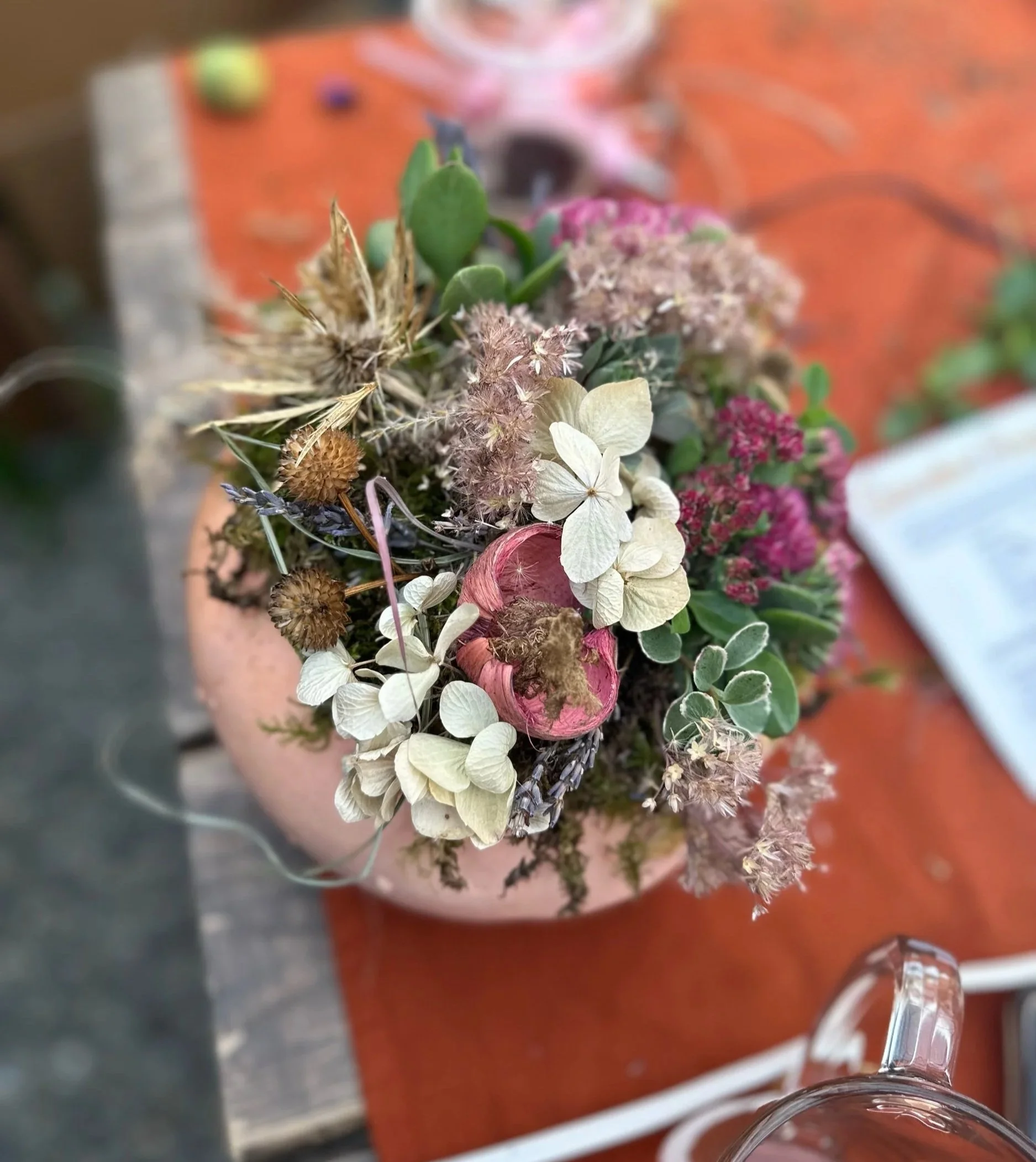
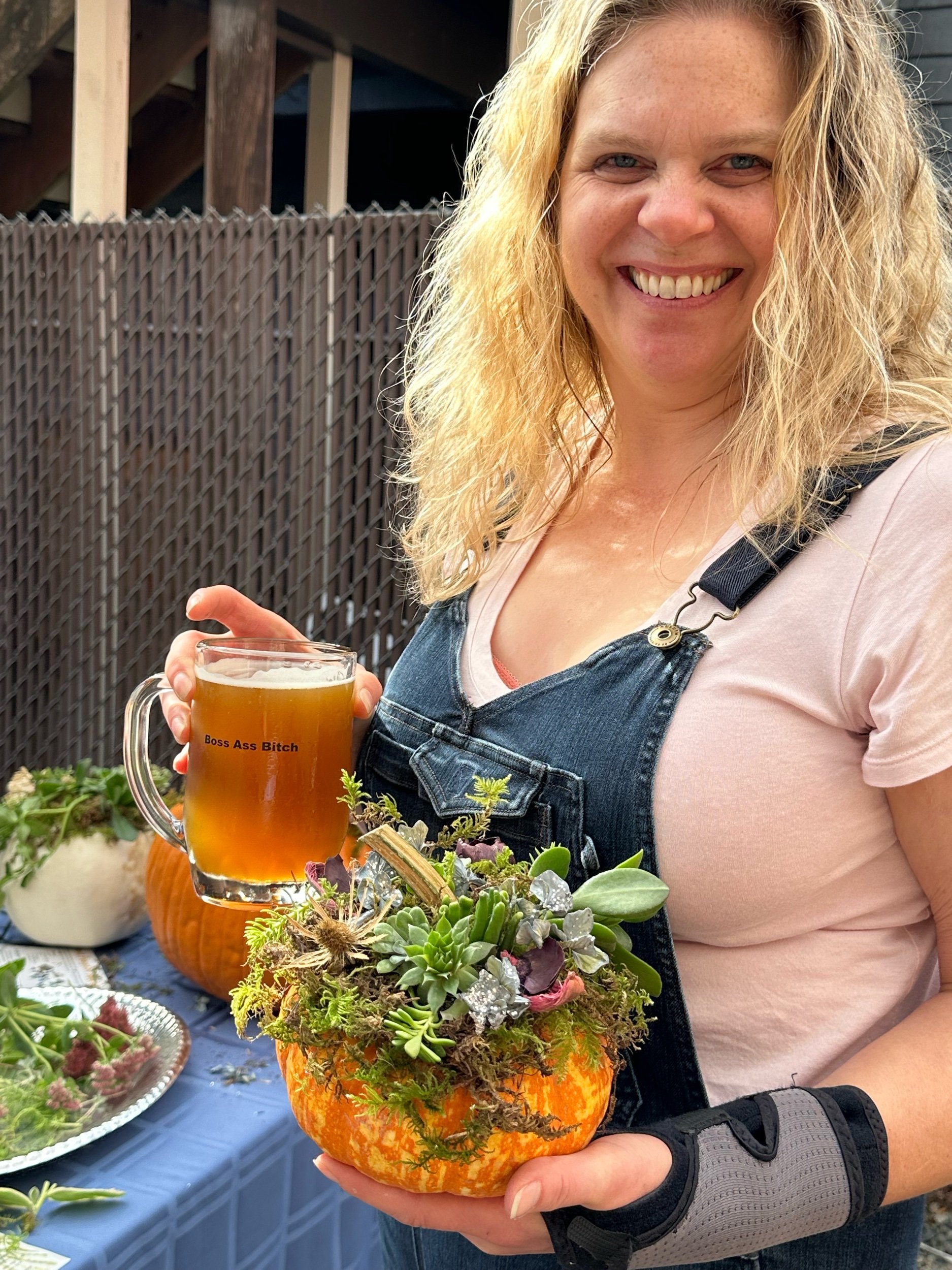
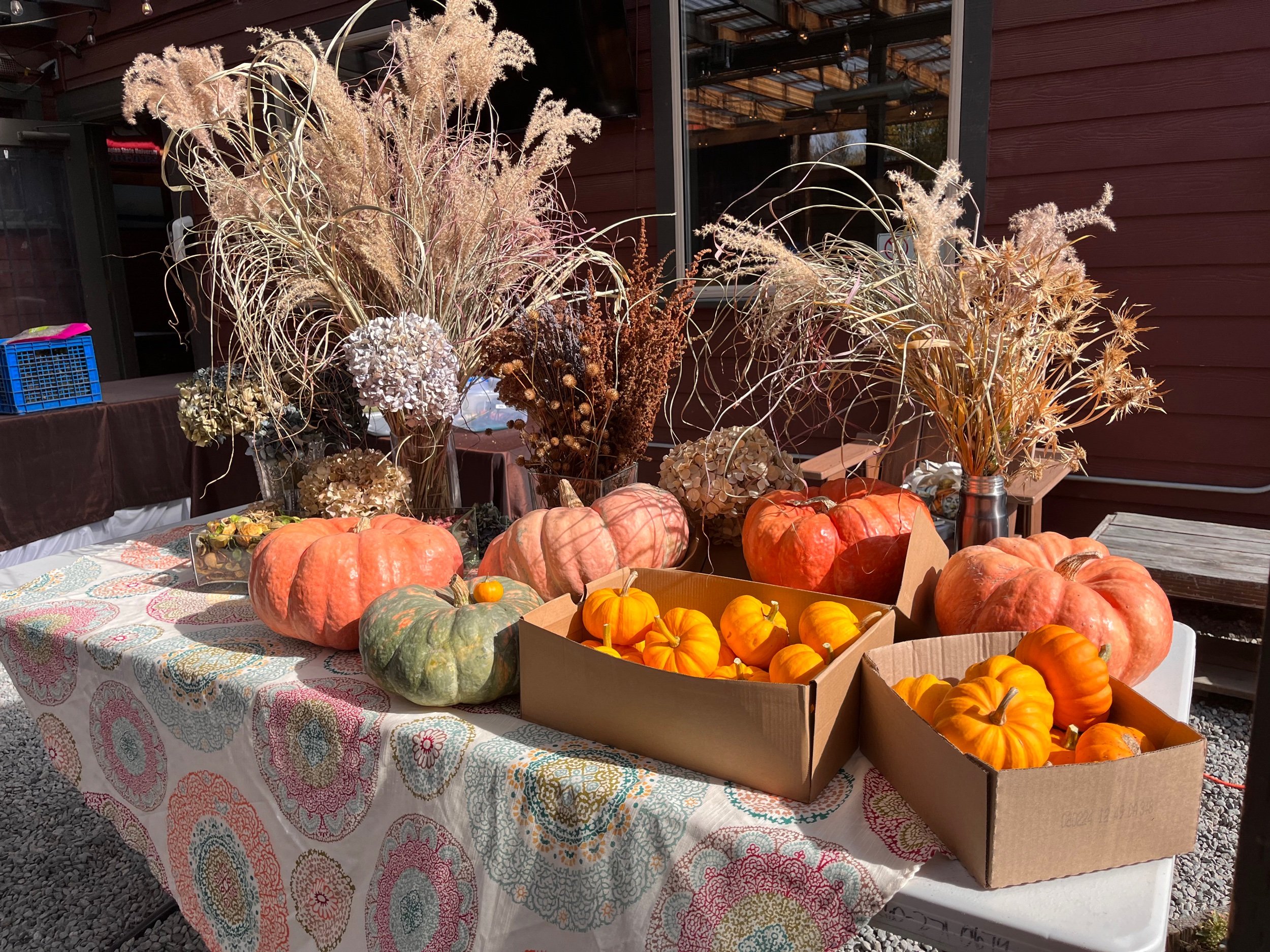
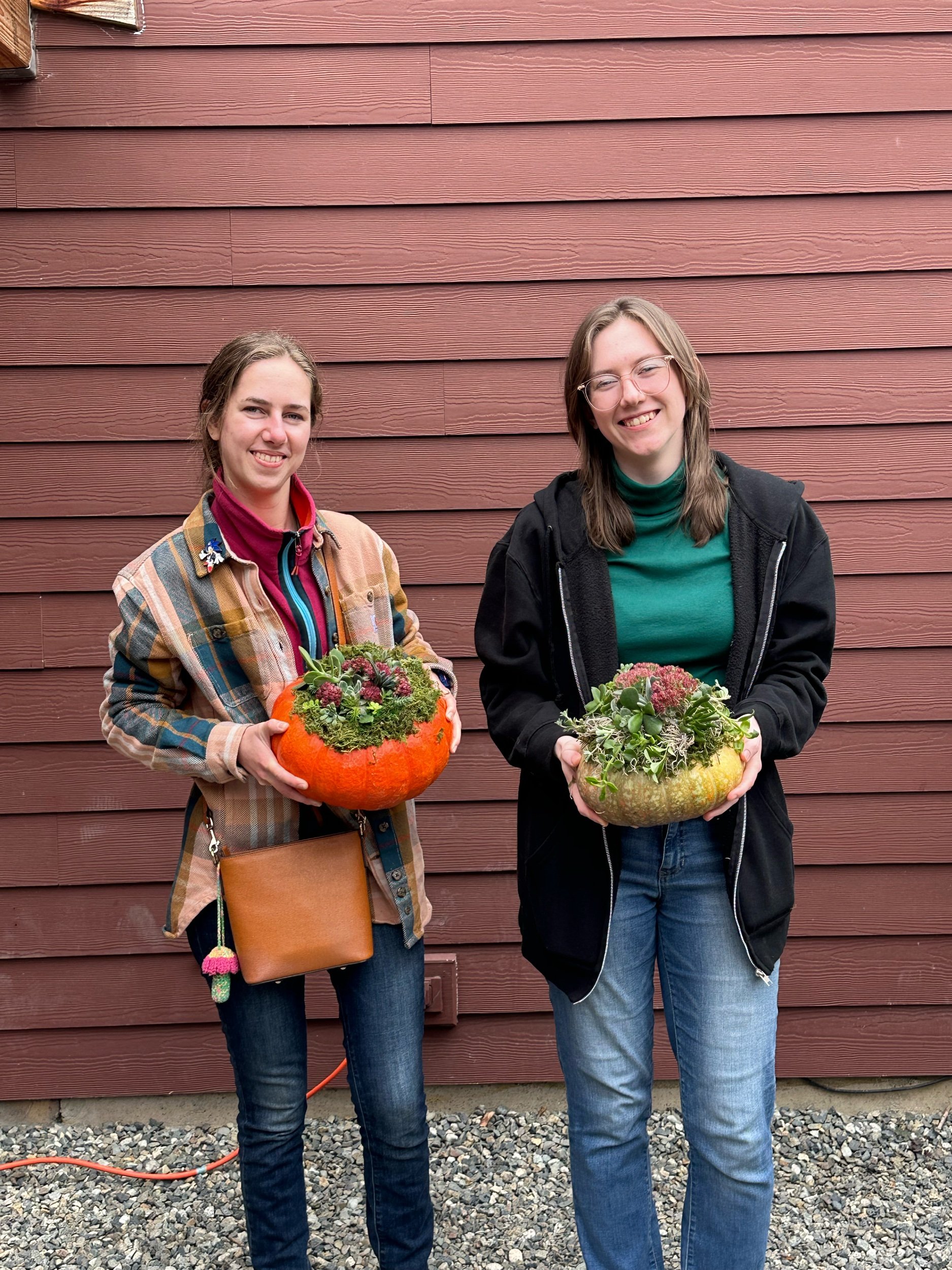
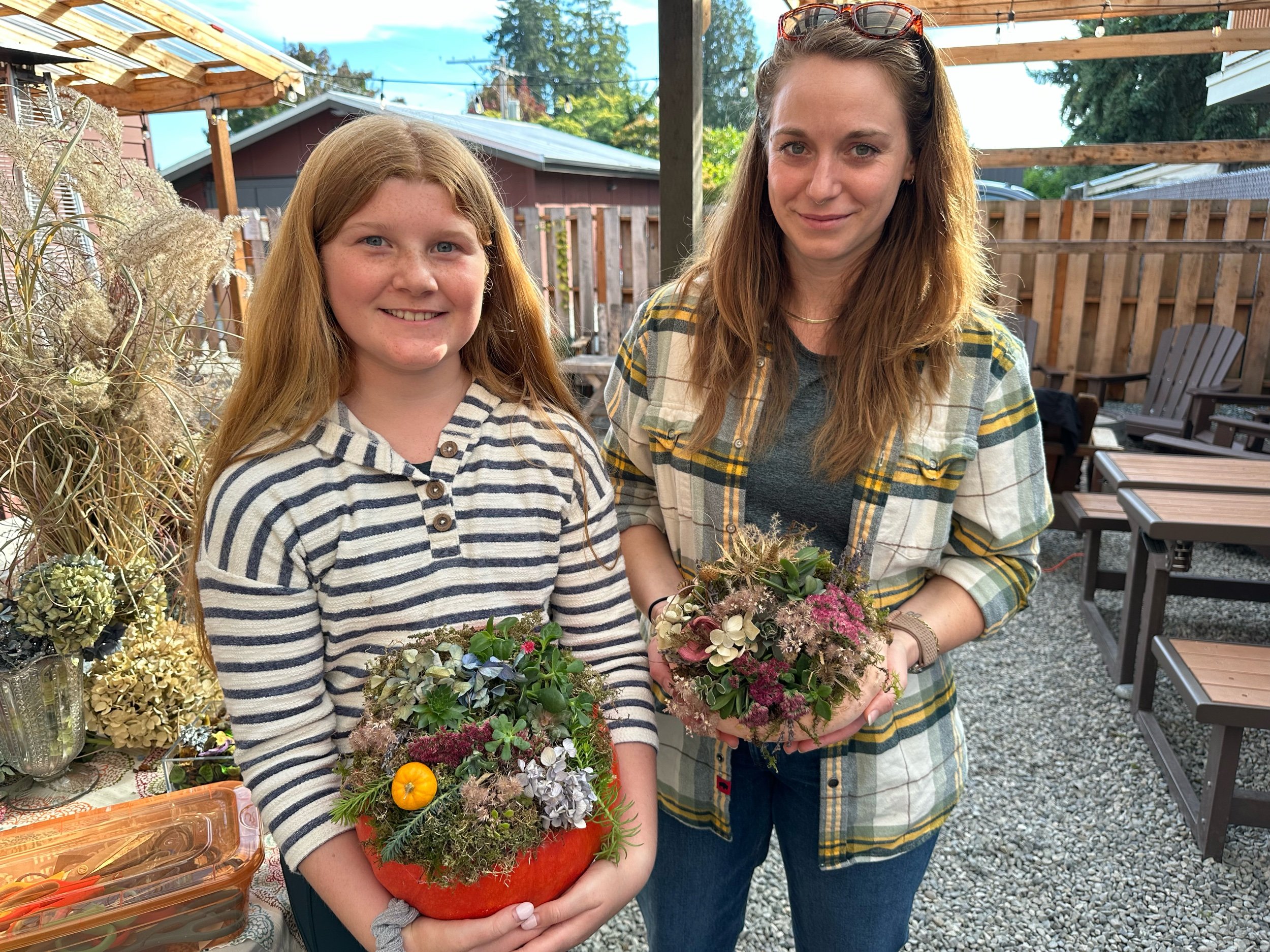
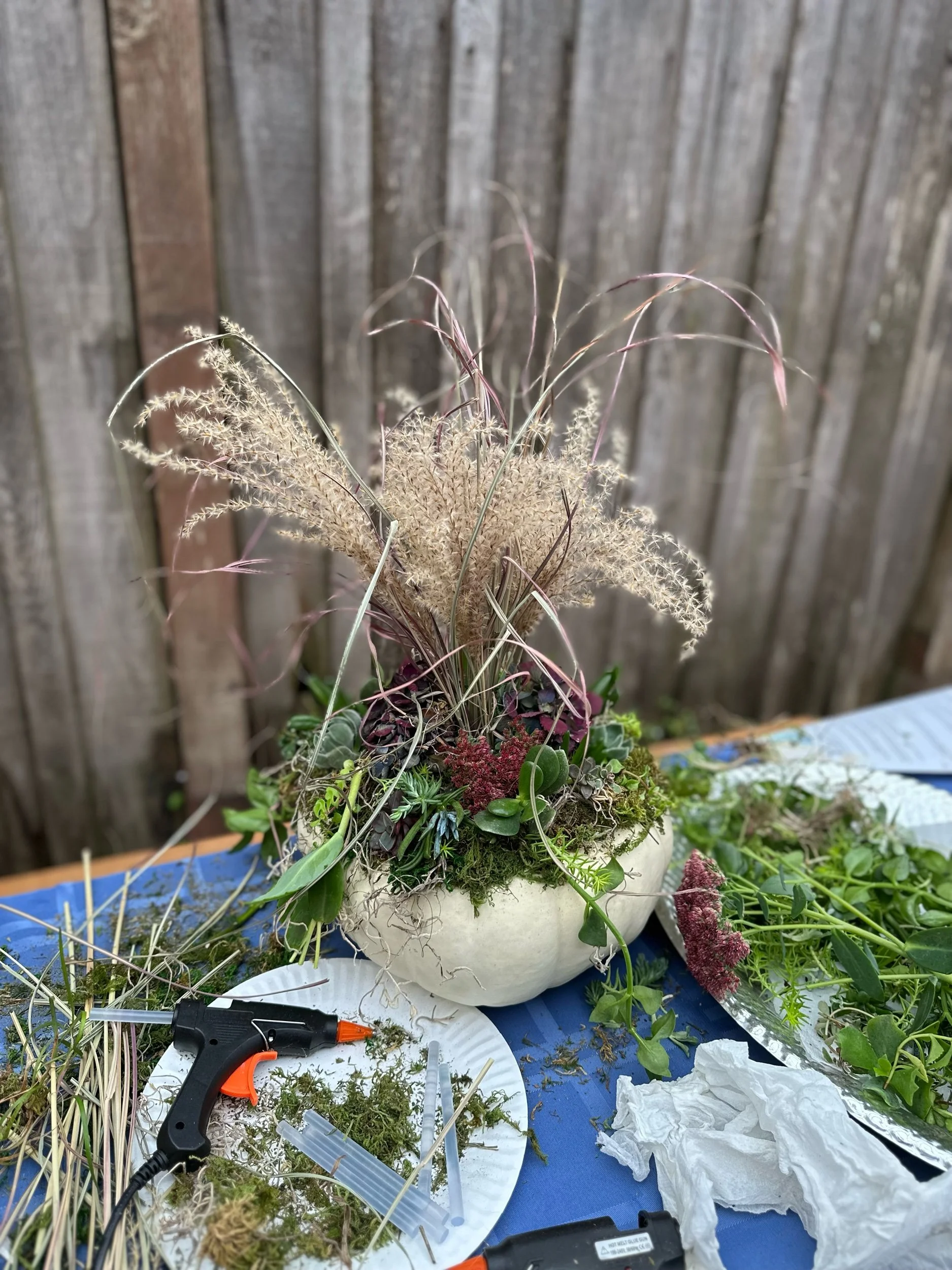
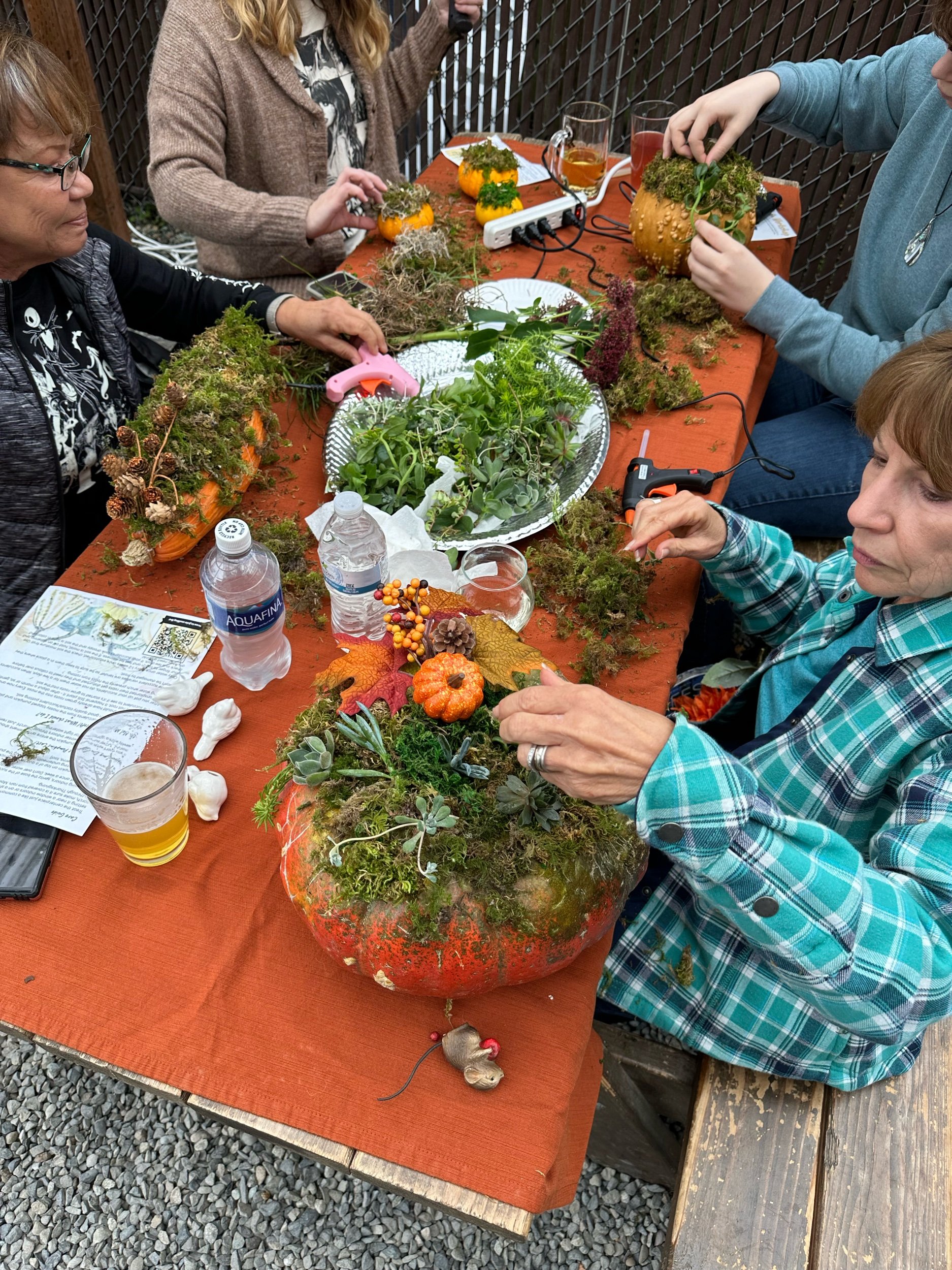
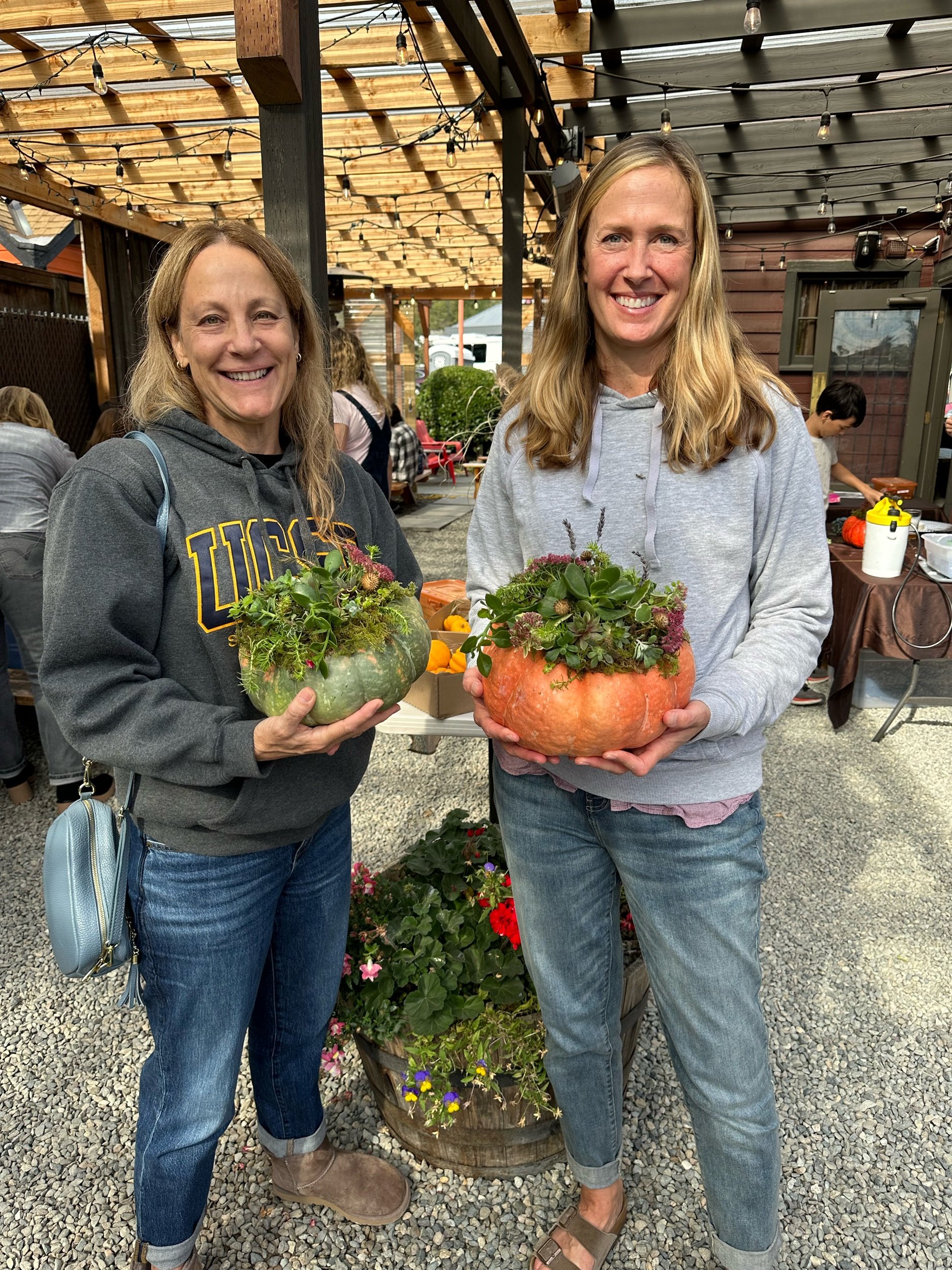
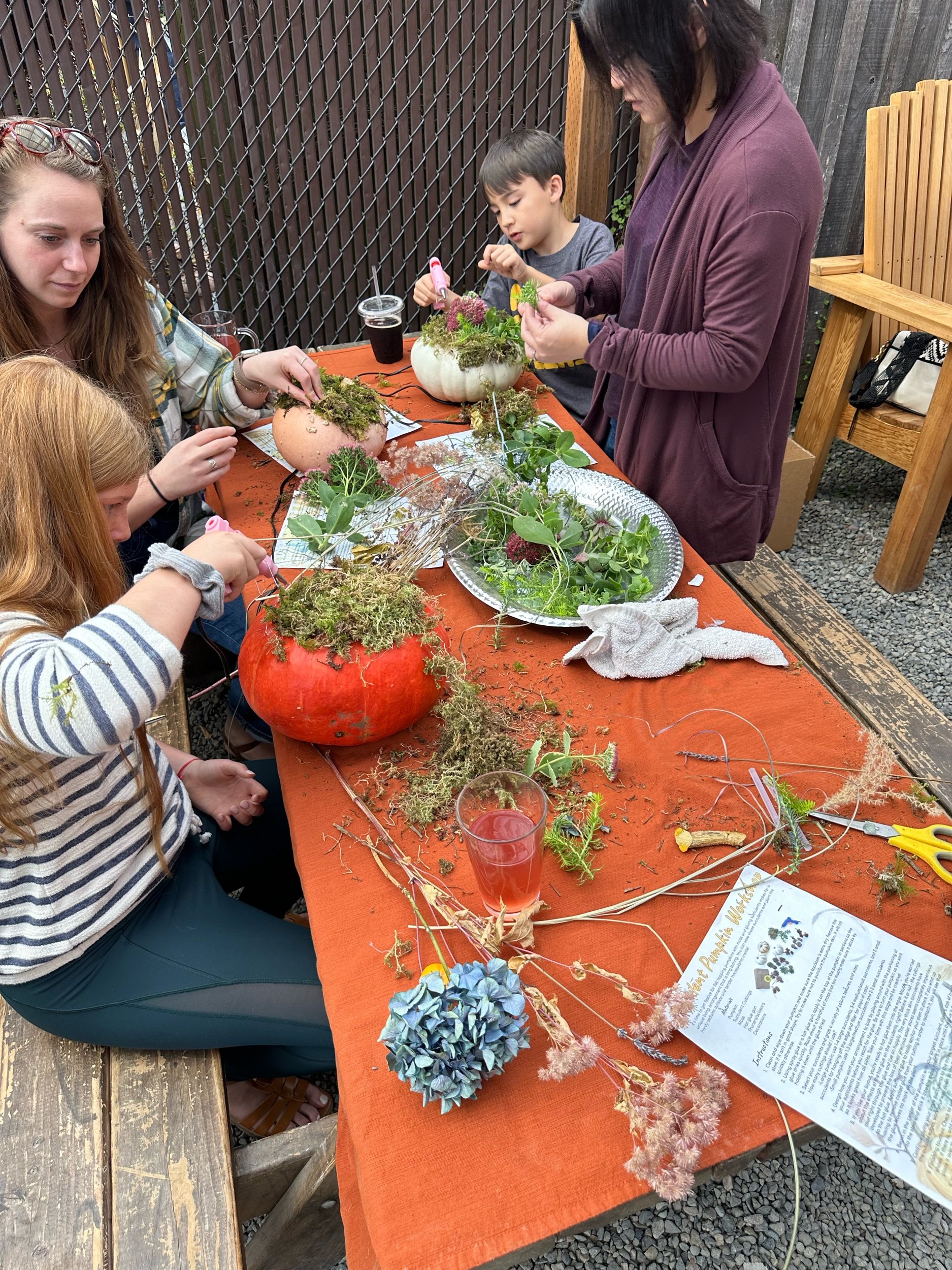
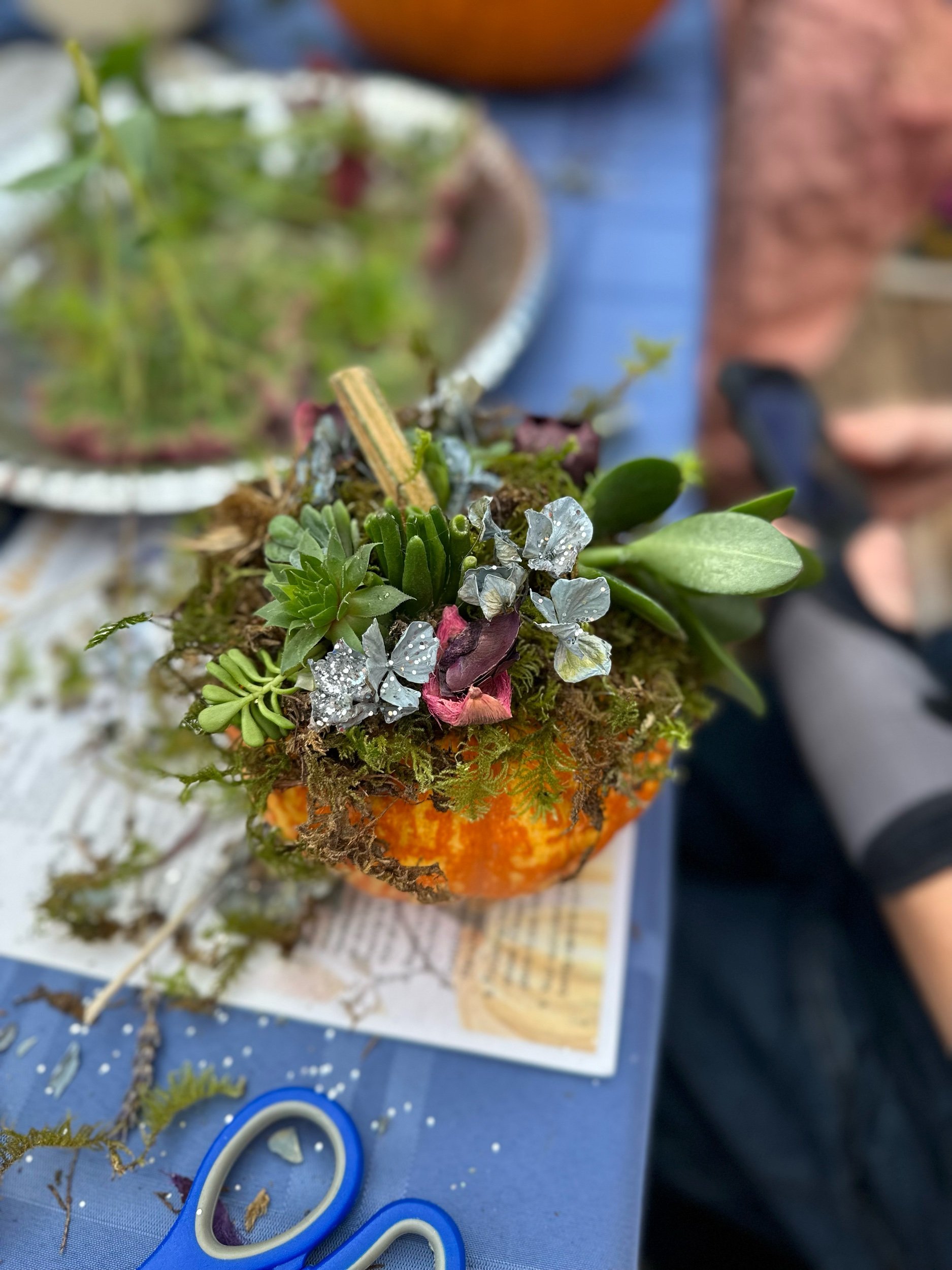
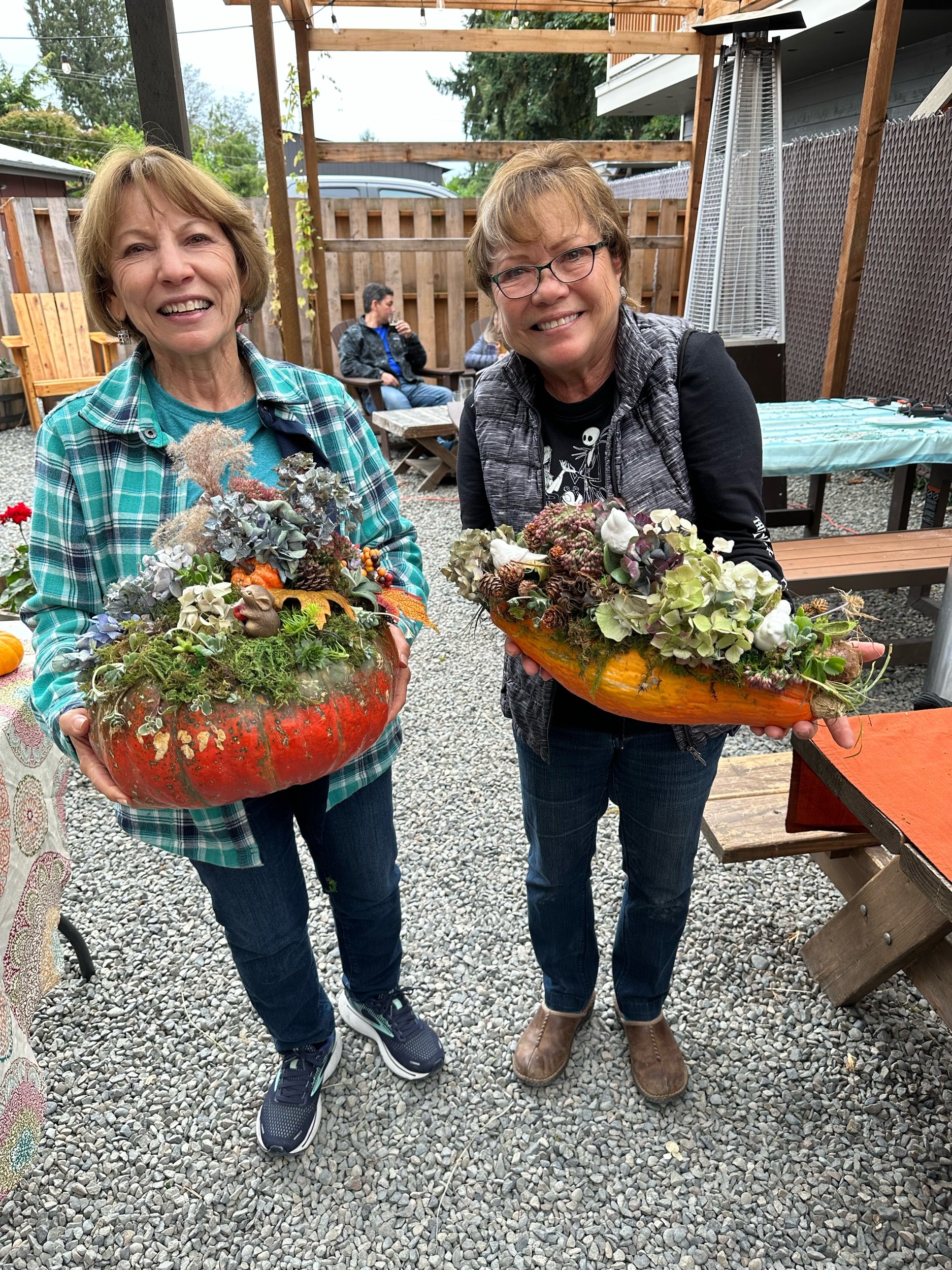
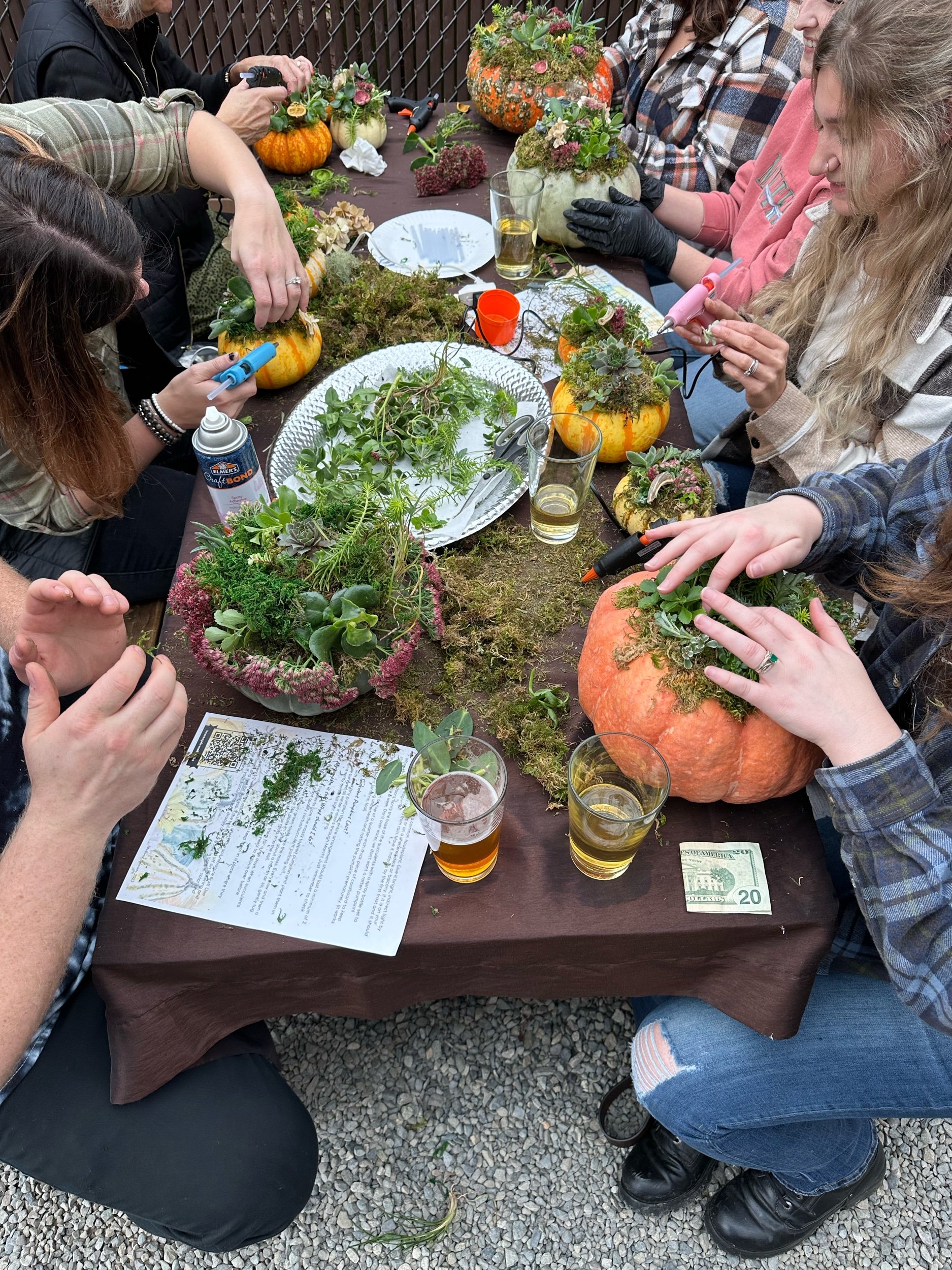
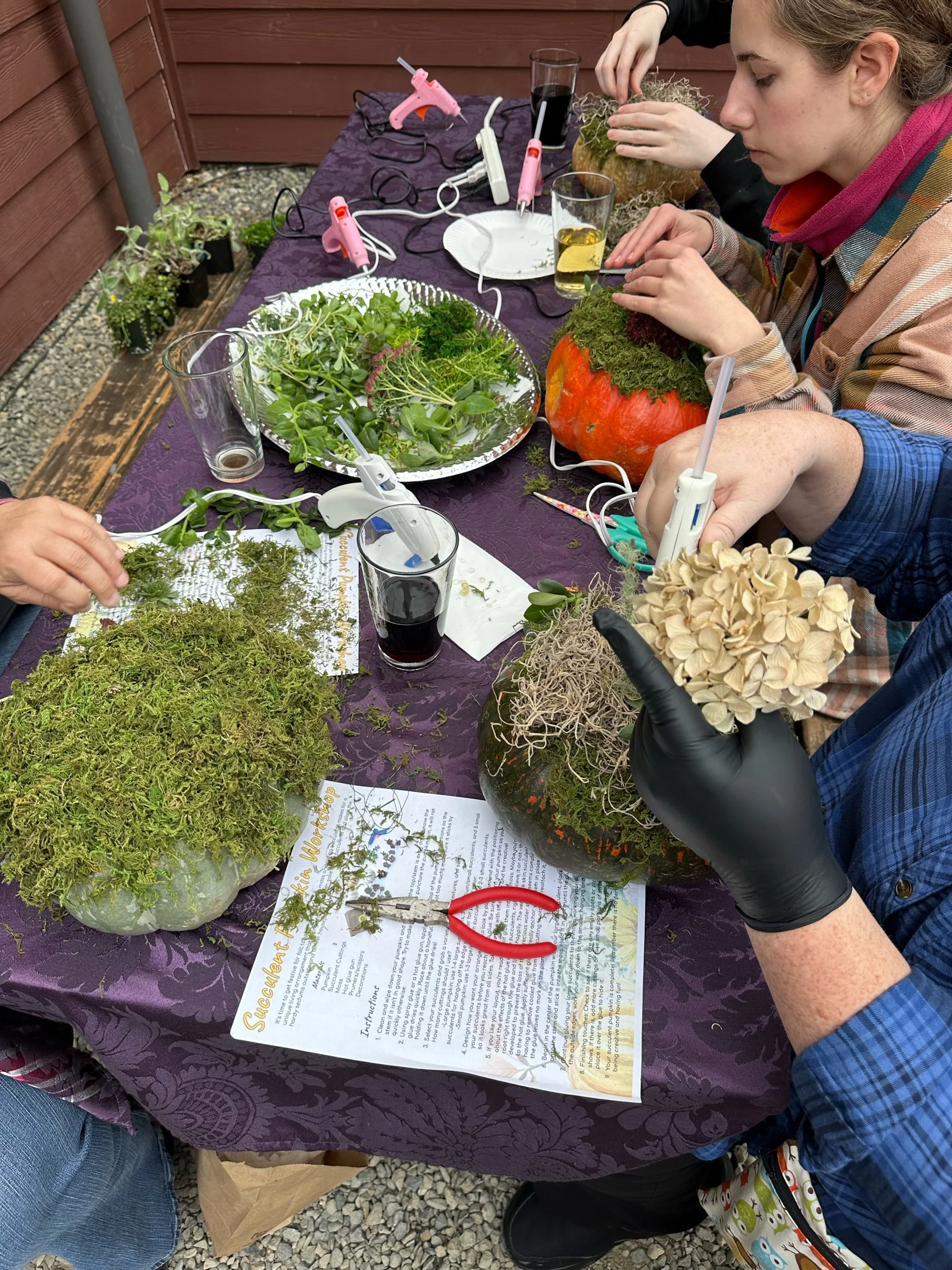
Everyone brings their own unique pumpkin whole, we don’t carve. We then hot glue mosses of many colors right on top of the pumpkin! Plenty of hardy and houseplant succulent varieties are right on your table to experiment with and create your unique design. Believe it or not: we hot glue the succulents right into the moss, the plants can handle it and push out roots quicker than you’d think. Lastly we add any extra decorations like dried flowers, grasses, seed heads and more to customize and finish your pumpkin. It is a great way to spend an hour with plants! Even better, they can last 5+ months if properly cared for, it makes for a long lasting fall arrangement.
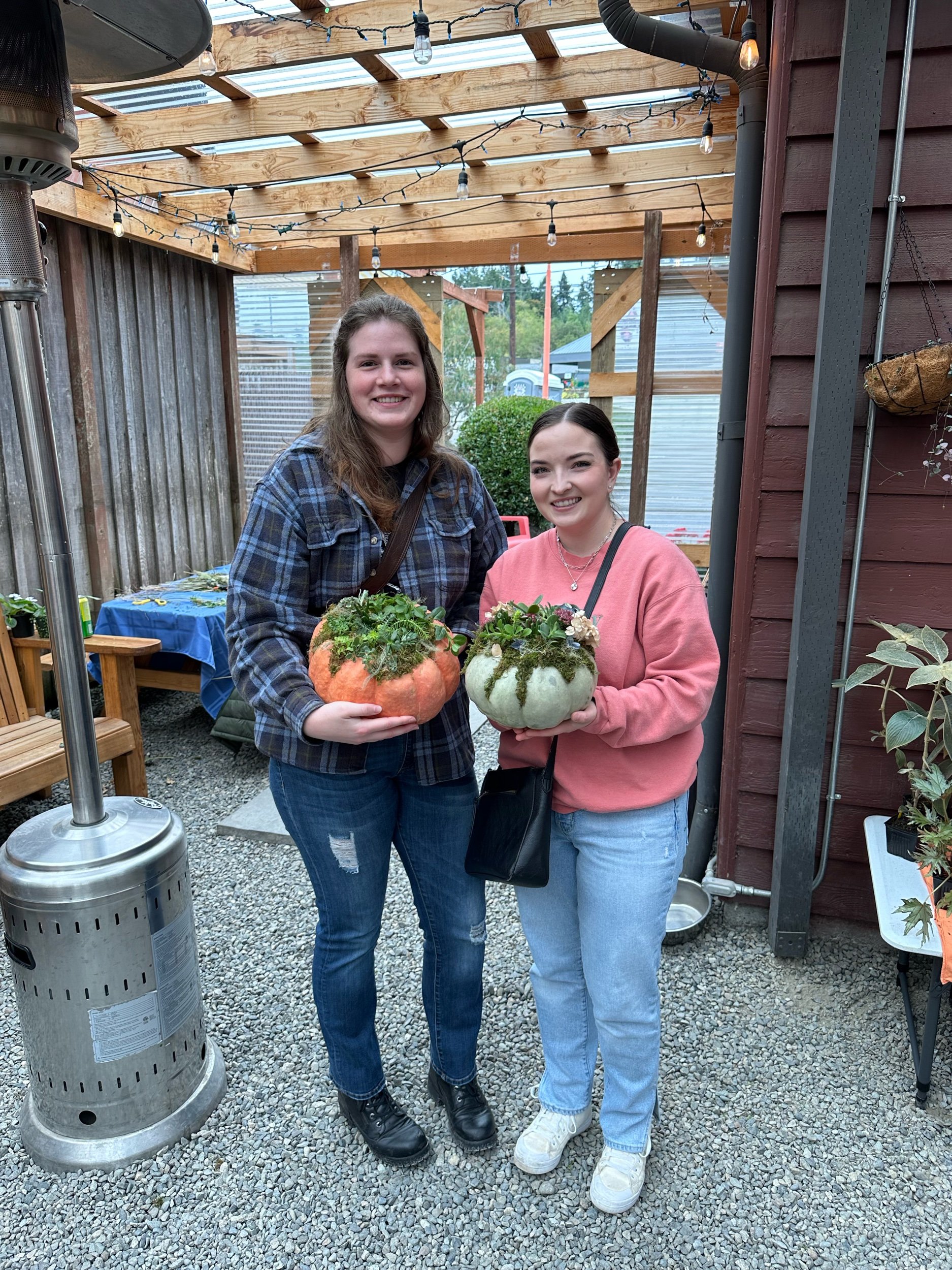
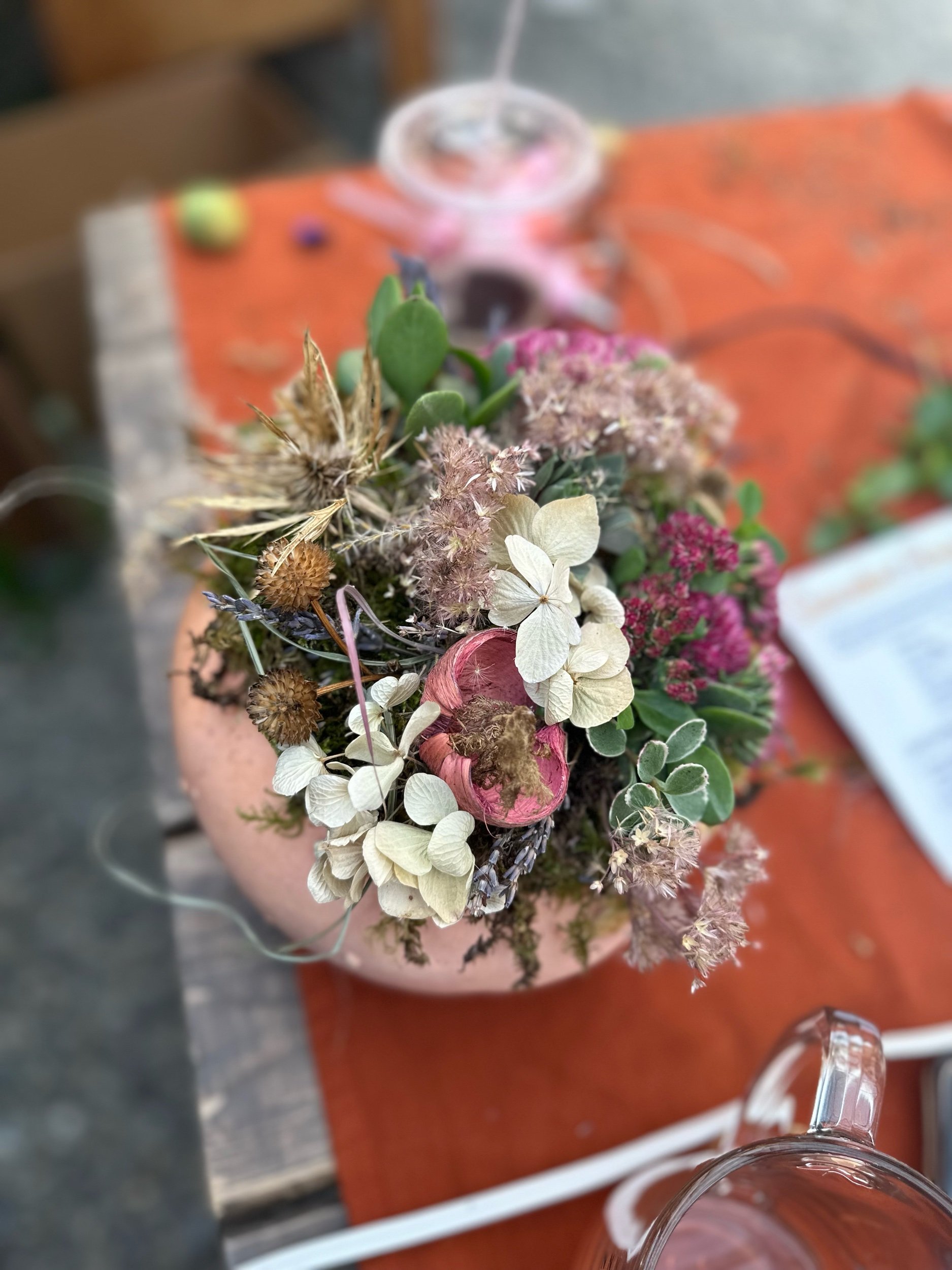
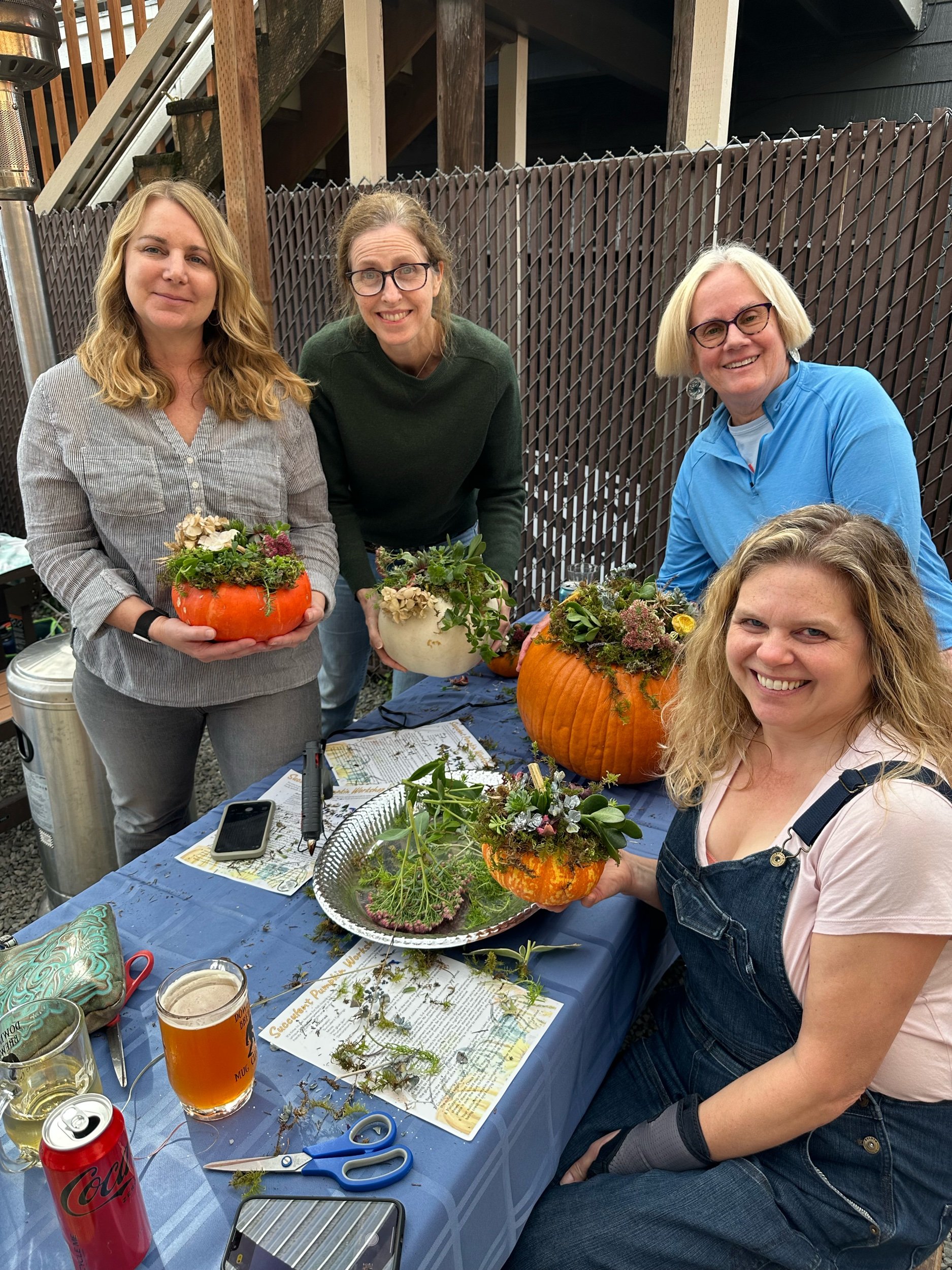
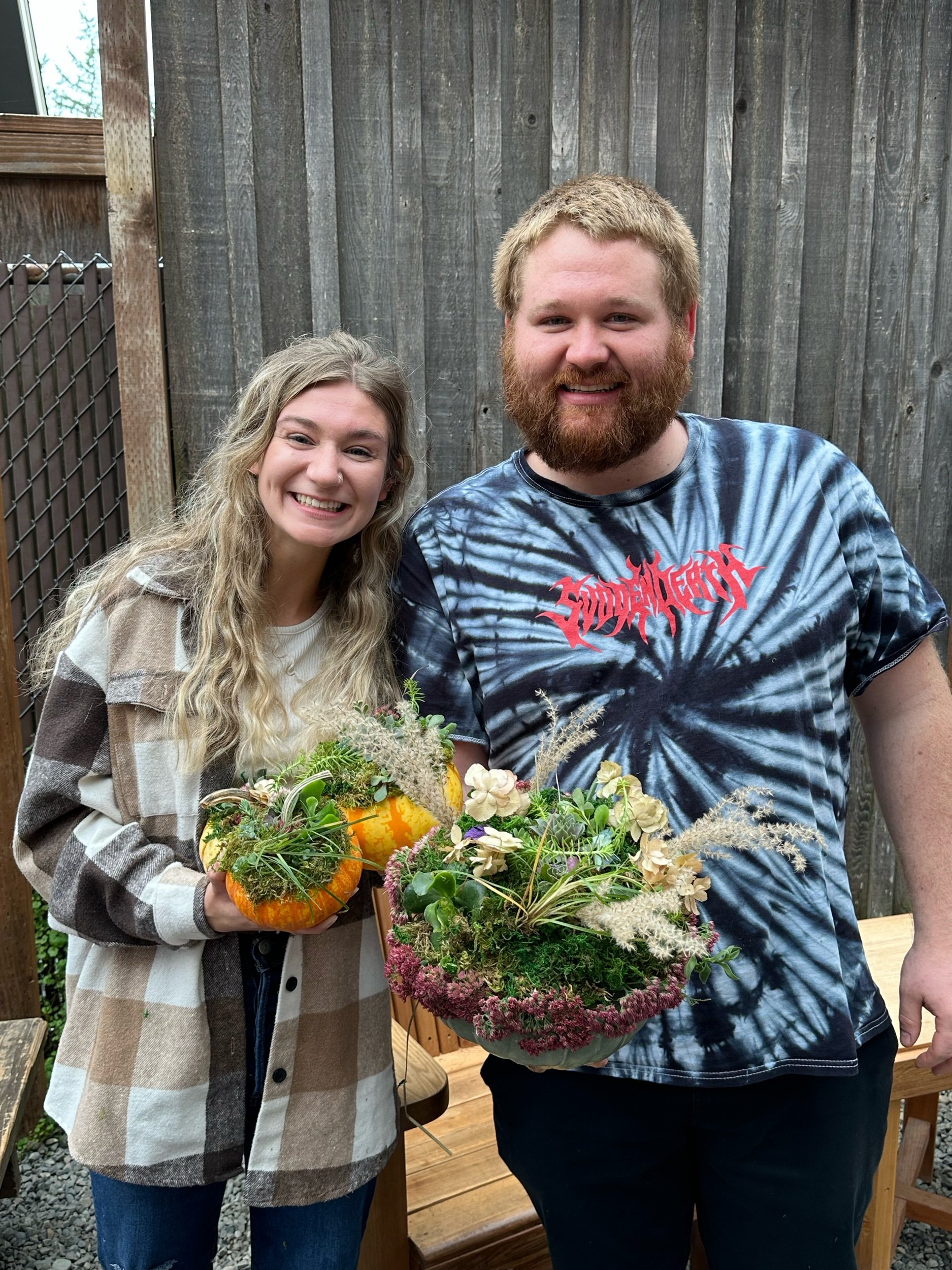
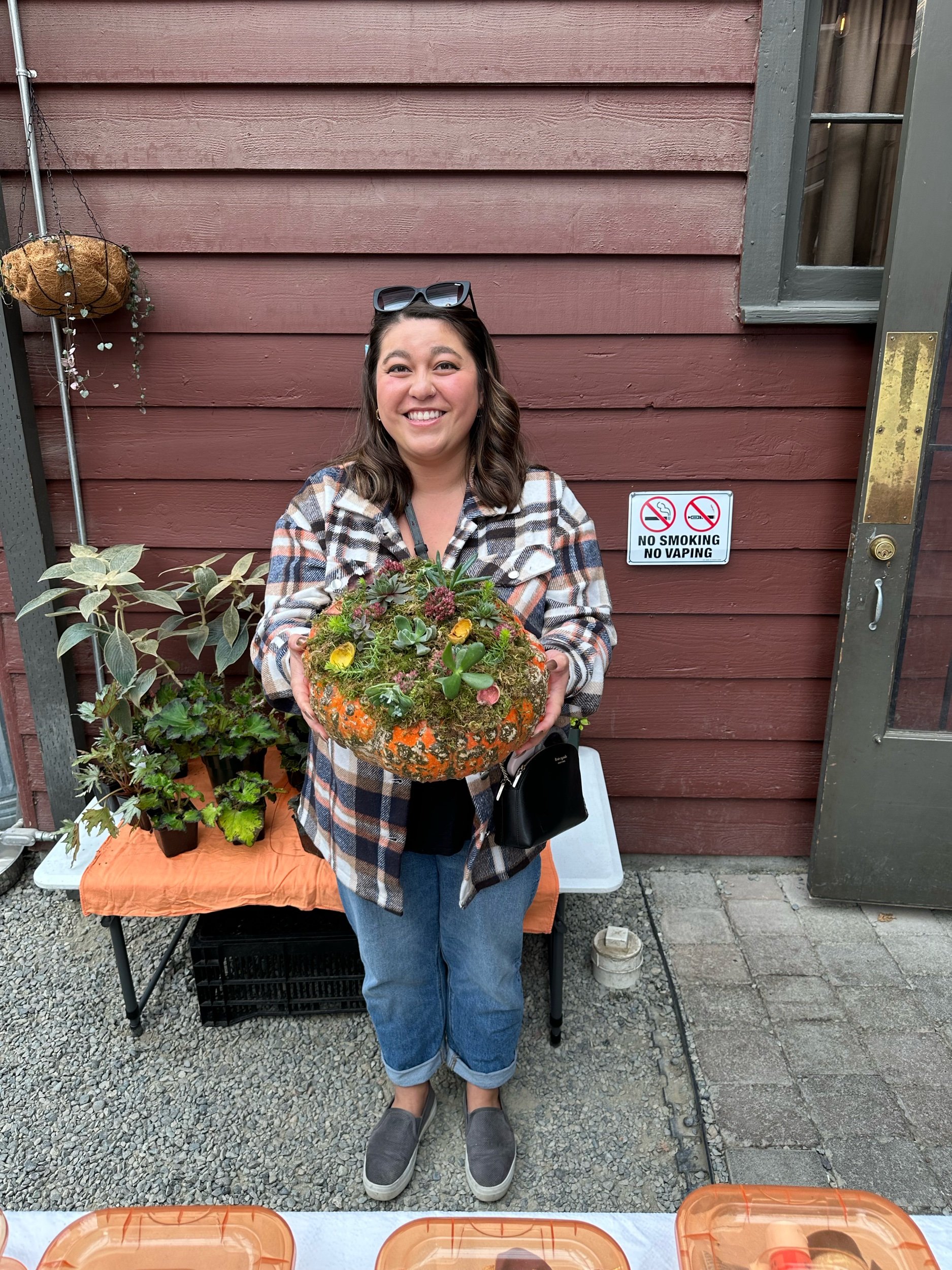
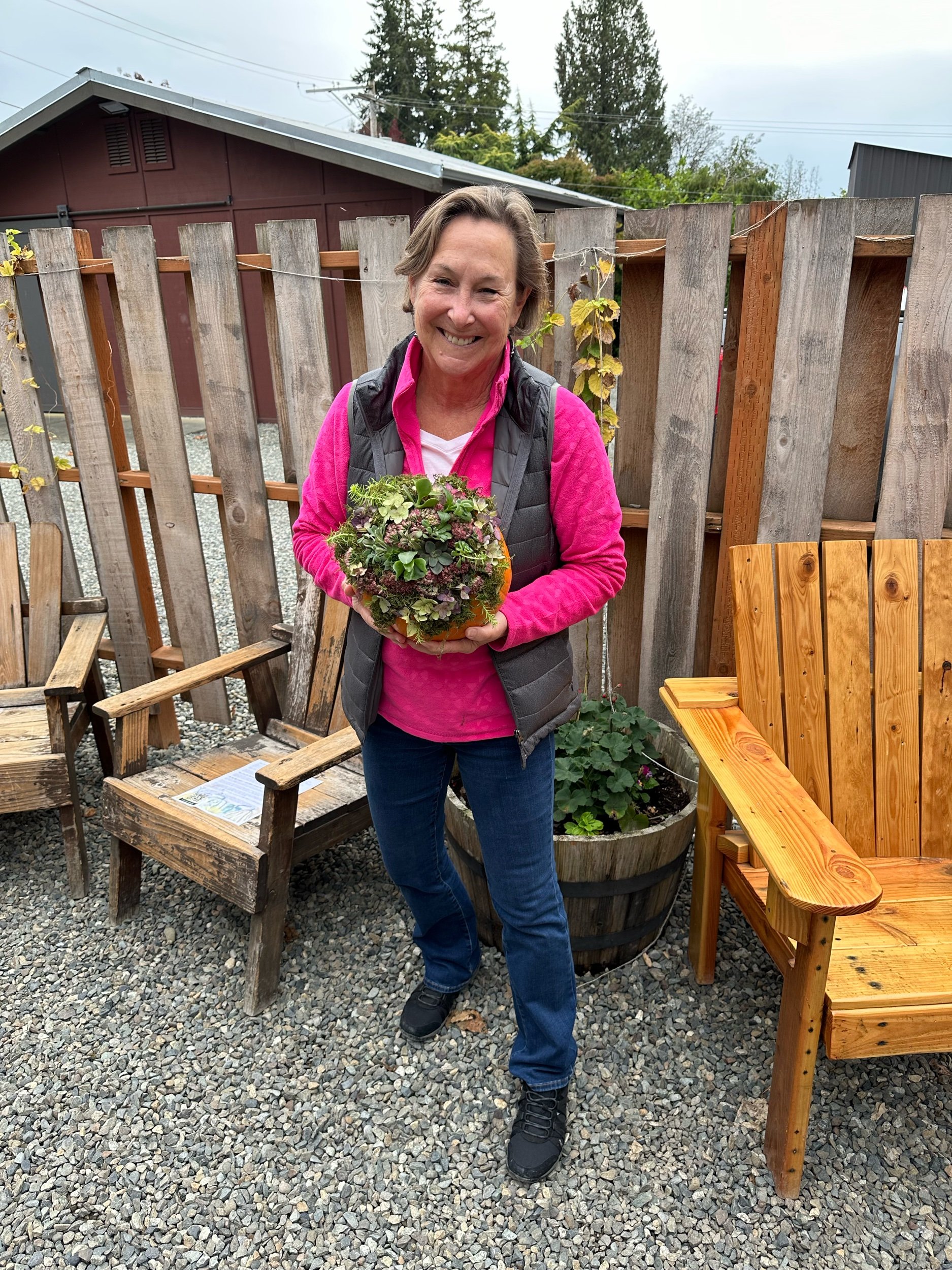
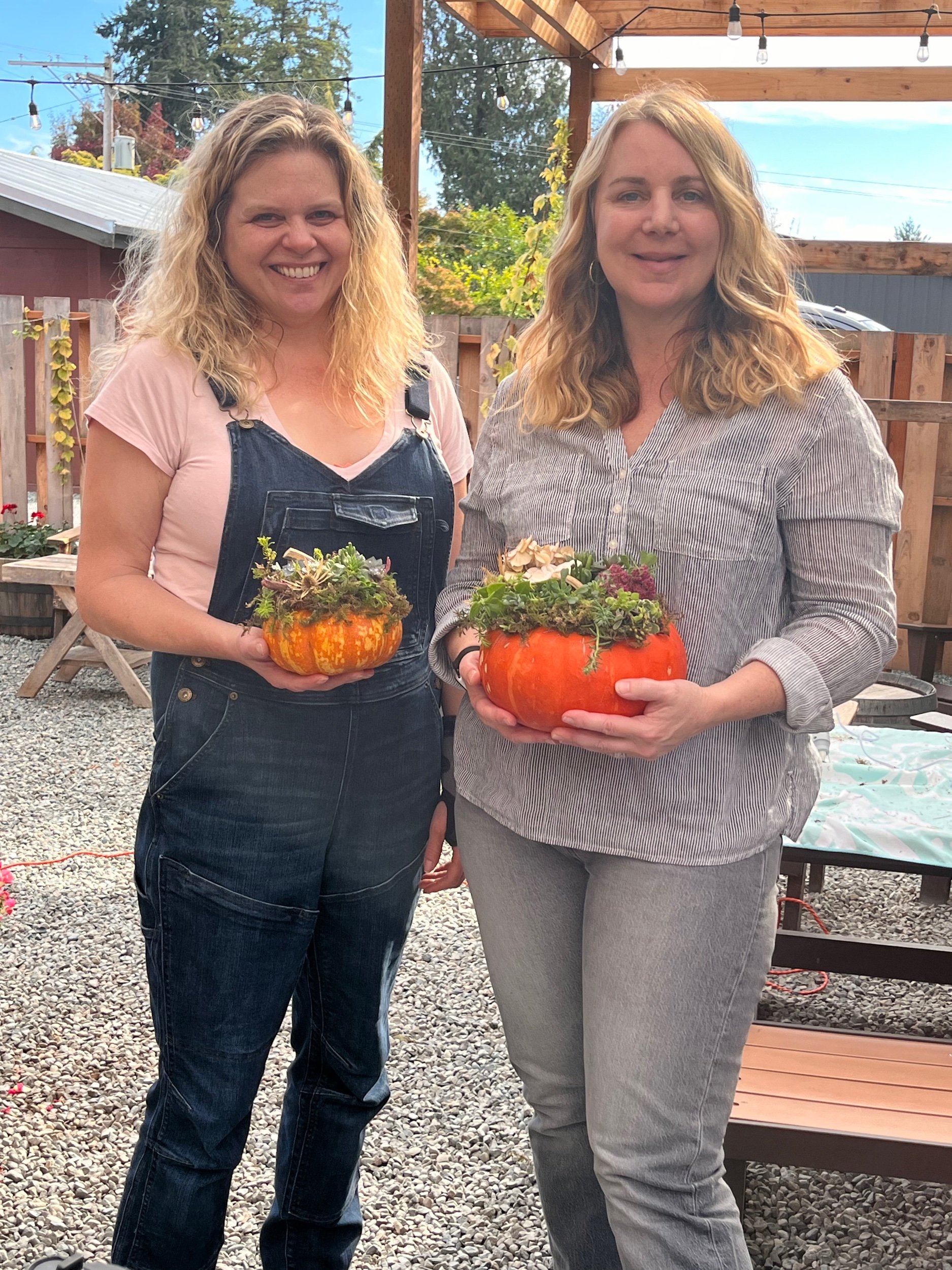
Here are some shots of beautiful creations and smiling faces:
Succulent pumpkins are back! Last year we let our creativity go wild with hardy sedums and semps as well as tender succulent houseplants, donning our pumpkins with a mossy cap and hot glueing our cuttings directly on top!
Save your spot for Sunday October 8th at 1pm or Sunday October 15th at 1pm
Downpour Brewing: 10991 NE State Highway 104, Kingston, WA 98346
Bring your creativity and a pumpkin (the flatter the top the better: one large 8-10” in diameter or several small 3” pumpkins) and choose from a large variety of locally-raised succulents for a new take on a seasonal centerpiece you can enjoy and later re-pot as houseplants!
Beer, cider, wine, kombucha, root beer and other non-alcohol options are available. CLICK HERE to see Downpour’s current tap list.
Pre-registration is required. Workshop is for all ages.
Bring your pumpkin, a spare glue gun and gloves if you’ve got them!
Extra pumpkins will be available at event for $5-$15 depending on size

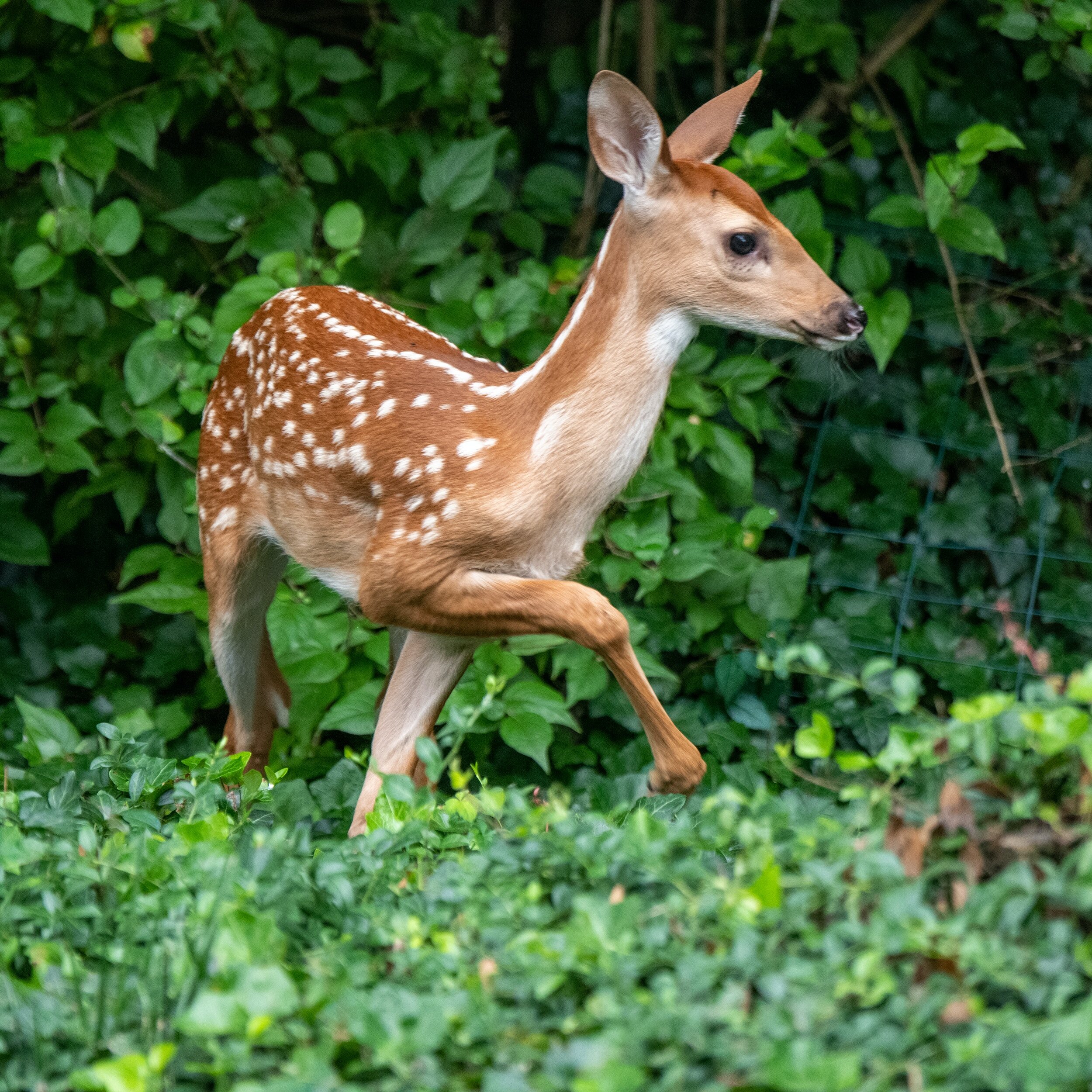
So cute and demure…
but often a plant collector’s worst nightmare when they decimate your favorites indiscriminately!
Living with deer in the garden can be a challenge, but it's possible to create a garden that is both beautiful and deer-resistant… key word here: RESISTANT.
This spring I dug up and moved several roses to the bottom of the hill. The weather was warming so I was to watering more frequently, admiring the tough, transplanted roses. I saw the drastically defoliated roses the next day and I was shocked. These are some pokey roses! I’ll have you know they are still kicking with minimal foliage, but I have taken no measures to protect or prevent them since they were feasted on. I think I have resigned myself to tip #5, it has been okay allowing them space to eat what they might find delectable to protect my more coveted plants.
Here are some tips:
1. Choose deer-resistant plants: Flat out, some plants are more deer-resistant than others. Start with research deer-resistant plants for your gardening area/zone. Some examples include lavender, rosemary, wild ginger, sage, and yarrow. These specific examples all have extremely fragrant (some pungent) foliage, which is a great clue to start your search while shopping for plants at a nursery.
2. Install deer fencing: A physical barrier like a fence can help keep deer out of your garden. Make sure the fence is at least 8 feet tall and buried at least a foot into the ground to prevent deer from jumping over or digging under it. Ultimately, fencing is the most effective method, however it can be cost prohibitive and impede migratory wildlife, which may negatively impact your gardening environment.
3. Use deer repellents: There are many deer repellents on the market, including sprays, granules, and electronic devices. Some are more effective than others, so do your research before choosing one. For new plantings in a deer path, I find spritzing the foliage with water then sprinkling on cayenne pepper works well. You need to make reapplications after any rainfall. Trust me, they will sneak right in and take a test bite every so often.
4. Plant in raised beds or containers: Planting your garden in raised beds or containers can make it more difficult for deer to access your plants.
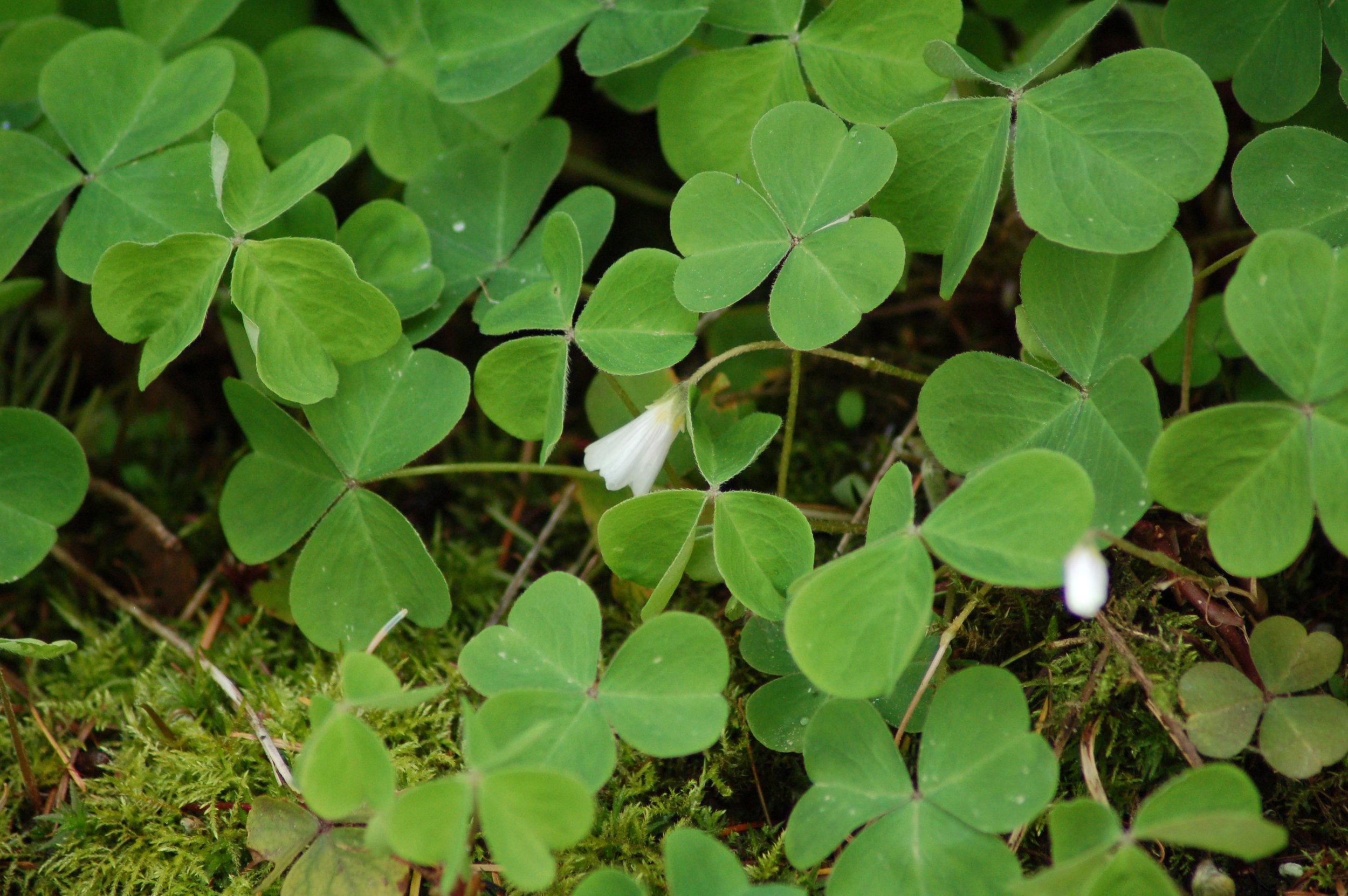
5. Create a distraction: Planting a separate area of your garden with plants that deer love, such as clover or kale, can help distract them from your other plants. This is my favorite method as I have seen several positive cases. I have come to call some of them my sacrificial deer plants.
6. Practice good garden hygiene: Deer are attracted to gardens with lots of weeds and overgrown plants. Keep your garden tidy and well-maintained to discourage deer from entering.
7. Be patient: Living with deer in the garden requires patience and persistence. It may take some trial and error to find the best strategies for your particular situation.

I am obsessed with making lists! Here are my tips for creating a welcoming habitat to encourage native creatures to your garden:
1. Plant native plants: Native plants are adapted to the local climate and provide food and shelter for local wildlife and birds.
2. Install bird feeders and birdbaths: Providing a source of food and water will attract a variety of bird species to your garden.
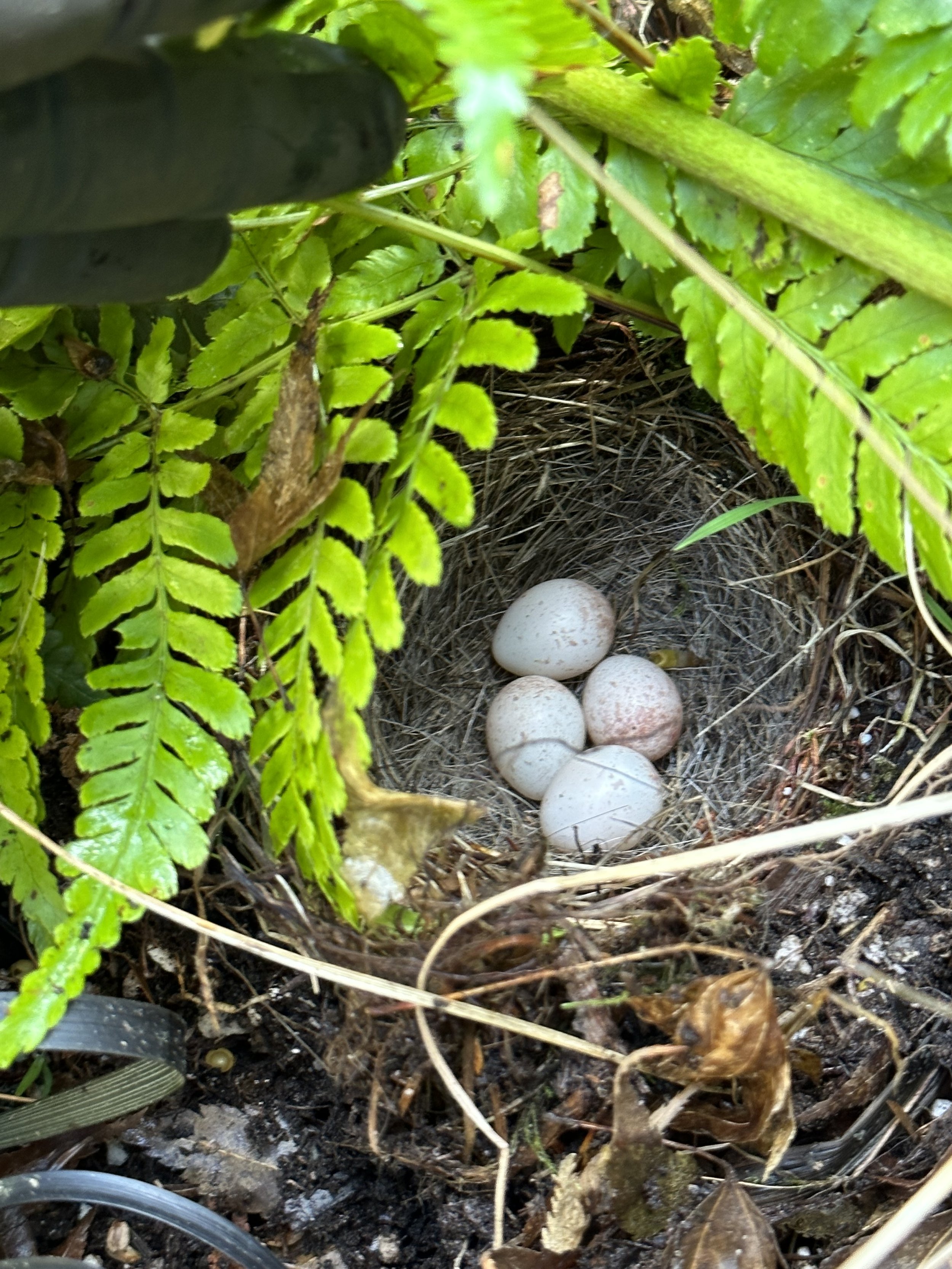
You can purchase or make your own suet or seed mixes; I have found the Tanagers and finches love sunflower and thistle seeds.
If you choose to feed your local birds, please pay close attention to cleaning their feeders and stop providing food immediately if you see any signs of illness.
Simply having a birdbath with fresh water will draw many birds without needing to put out bird feeders, however, the most colorful birds tend to go after the suet cakes and fresh fruit.
Always be sure you provide fresh, clean water. The more creatures you attract, the more often you’ll need to dump, wipe down, and clean the birdbath.
Hummingbird feeders are an easy way to attract many hummers. To make your own EASY nectar, stir 4 parts water to 1 part sugar. No need to boil according to Audubon, the priority should be cleaning and maintaining the feeders.

3. Create a habitat: Provide shelter for wildlife by planting shrubs and trees, installing birdhouses and bat boxes, and leaving piles of leaves and branches for small animals to hide in.
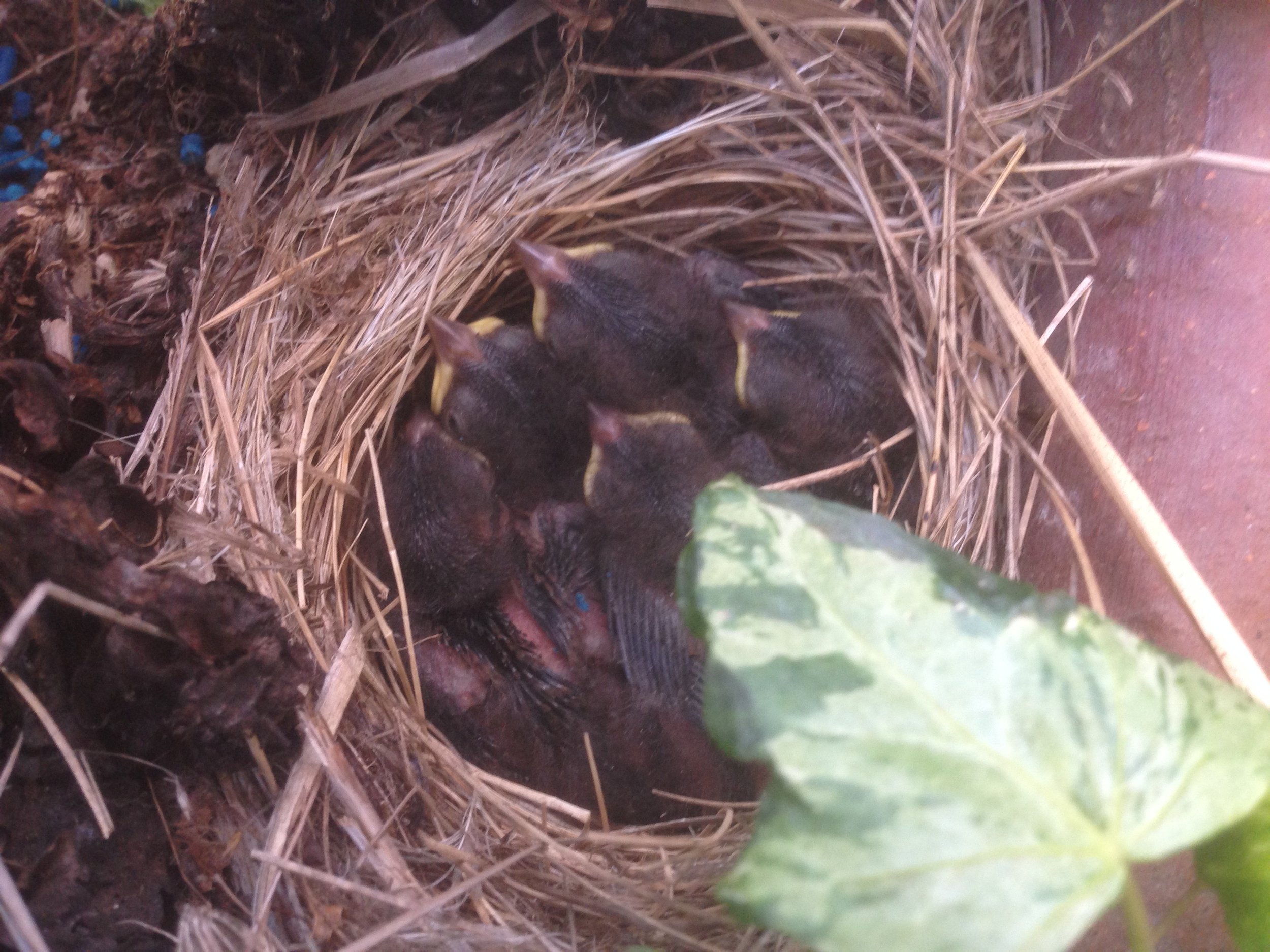
4. Provide nesting sites: Install birdhouses and nesting boxes for different bird species. Research the specific needs of each species to ensure the proper placement and design of the houses.

5. Avoid pesticides: Chemical pesticides can harm wildlife and birds. Try natural alternatives like companion planting, using insect-repelling plants, and handpicking pests. If you have a question, don’t hesitate to shoot me an e-mail, I’d love to provide some alternative solutions.
6. Always remember to maintain a clean environment: Keep feeders, birdbaths, and your garden clean and free of too much debris to prevent the spread of disease and attract undesirable wildlife.
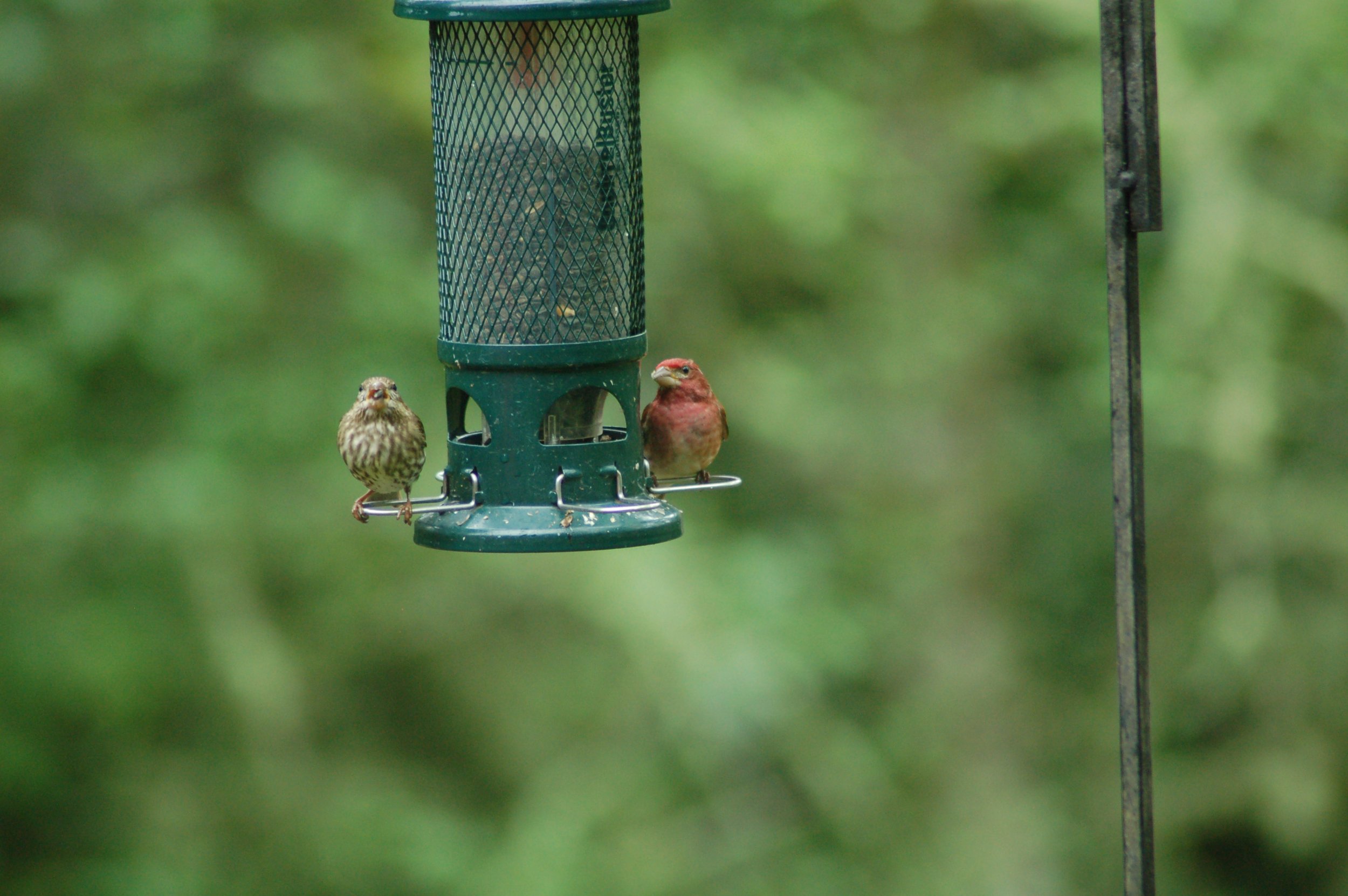
7. I’ll never tire suggesting this tip- Educate yourself: Learn about the local wildlife and their needs. Grab an identification book, join a local birdwatching club, visit your local nursery and as a Certified Professional Horticulturist. The more you learn, you’ll find it easy to make informed choices about your gardening practices and attract even more wildlife to your garden.
Until next time,
Alison
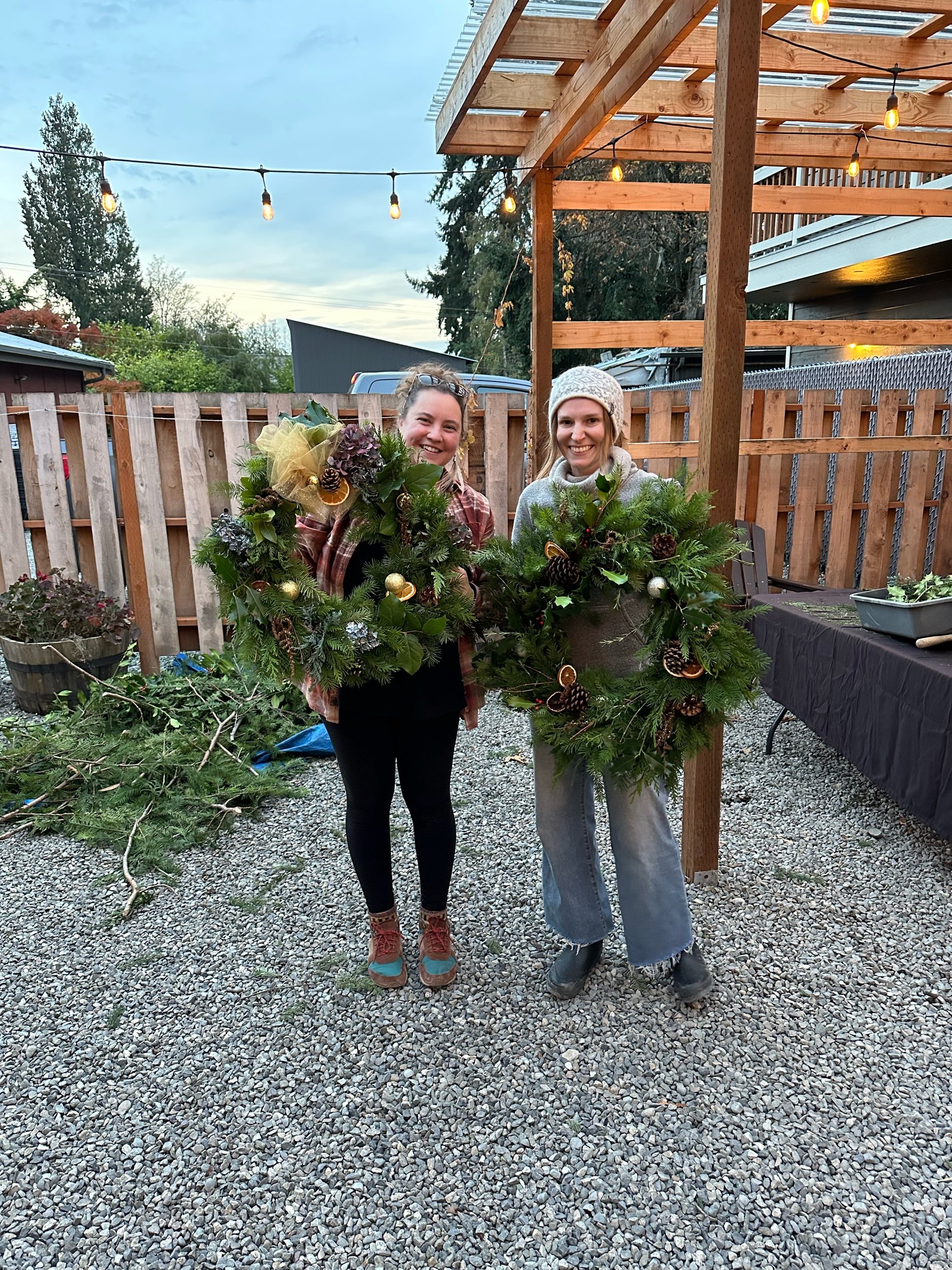
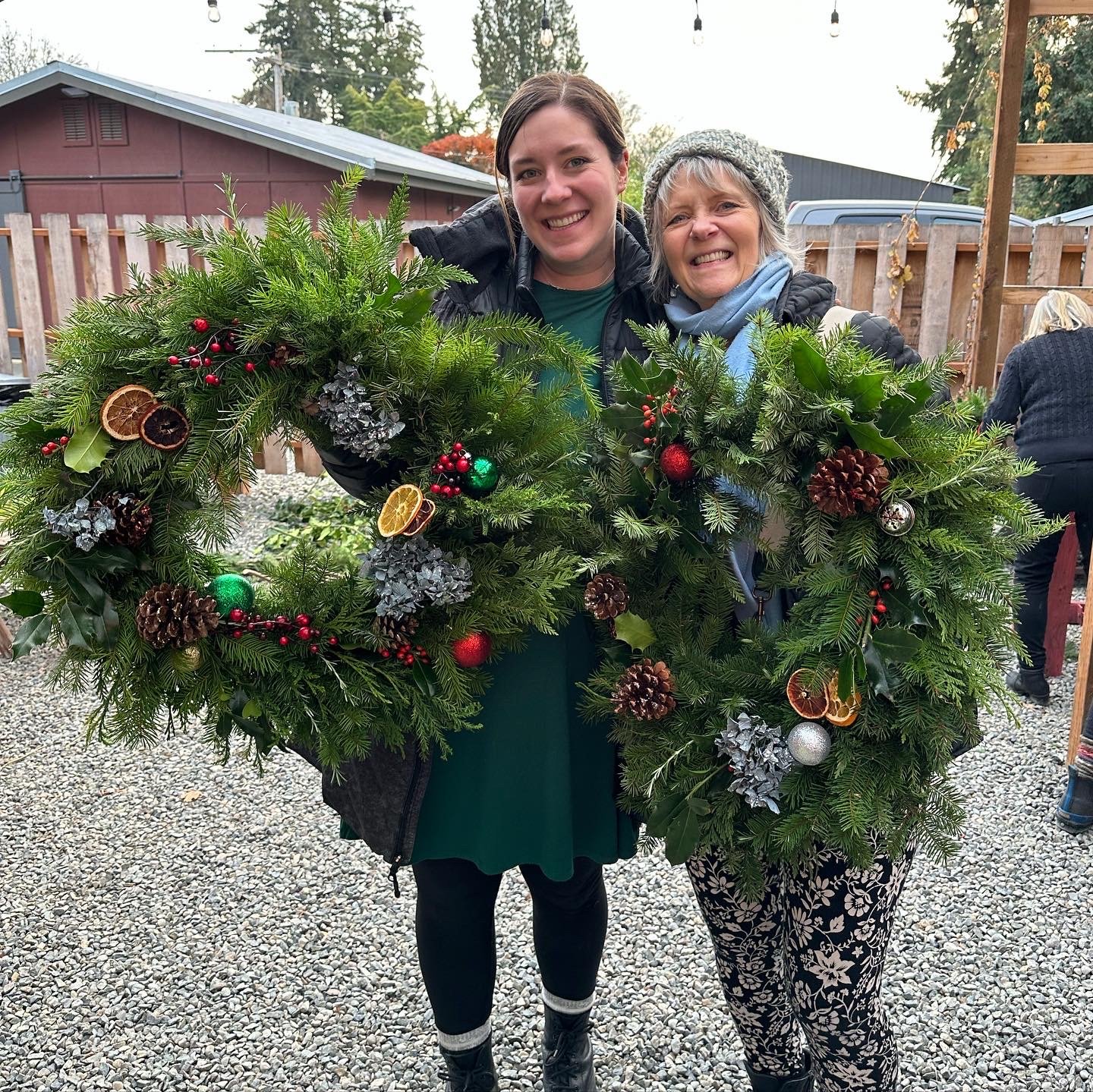
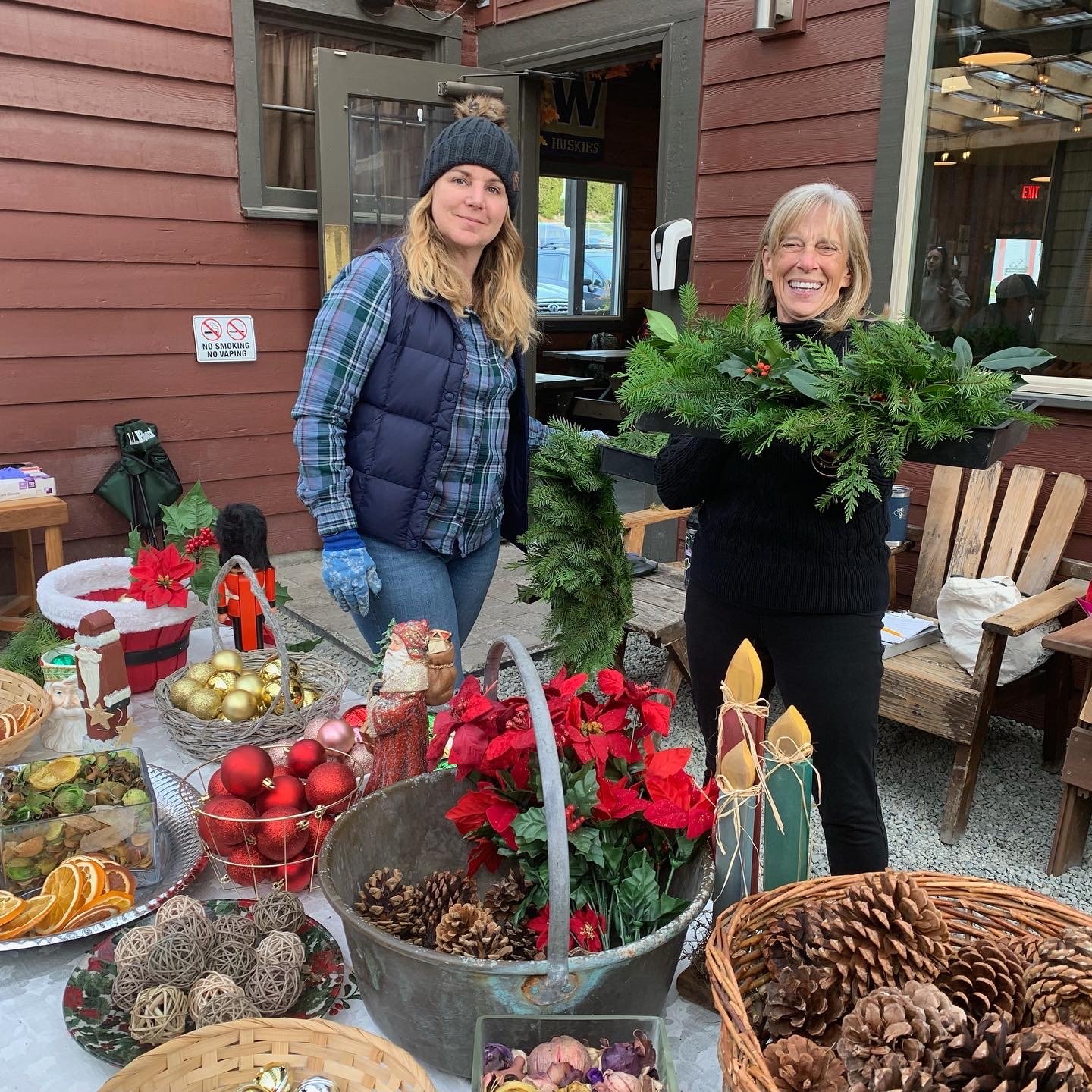
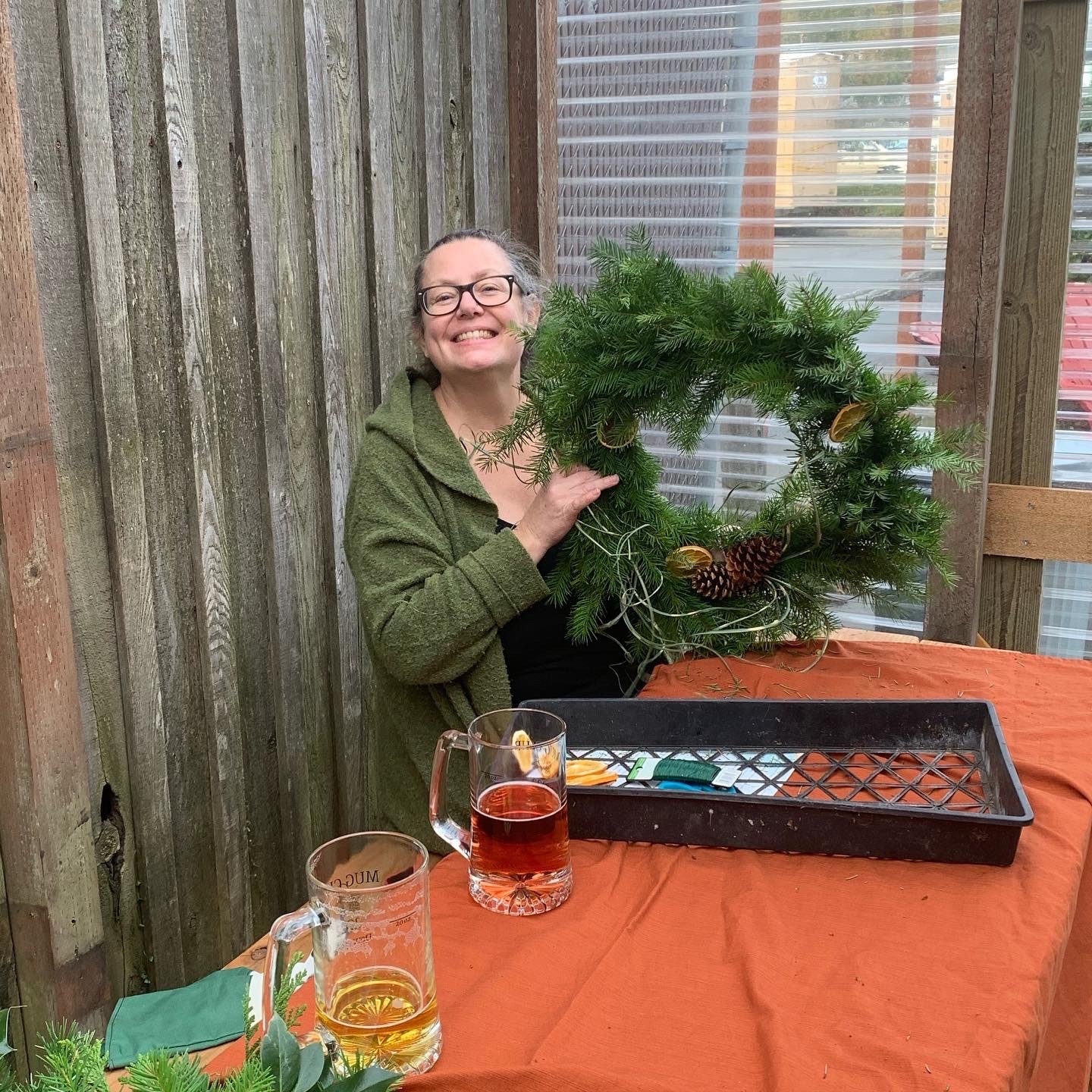
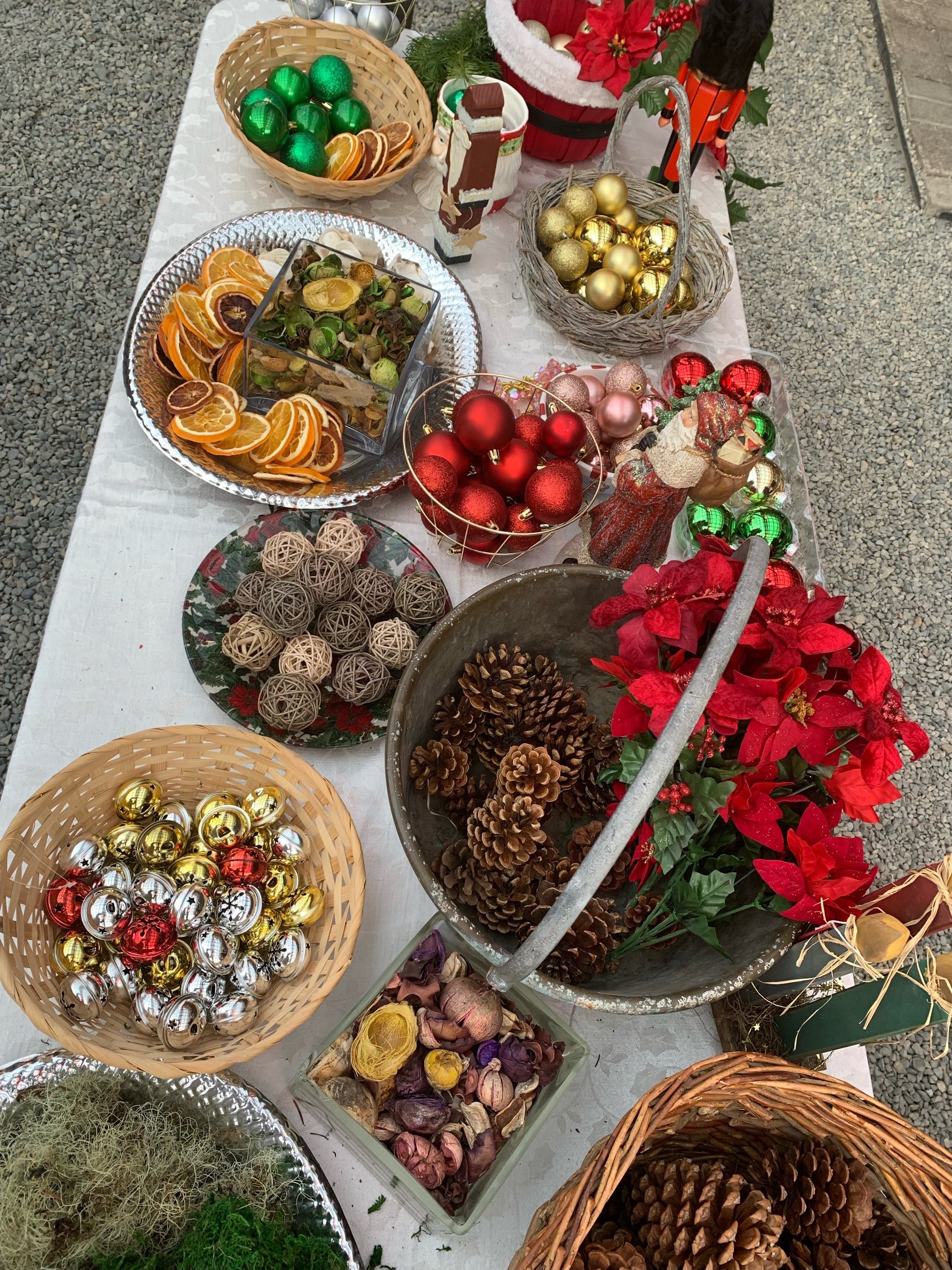
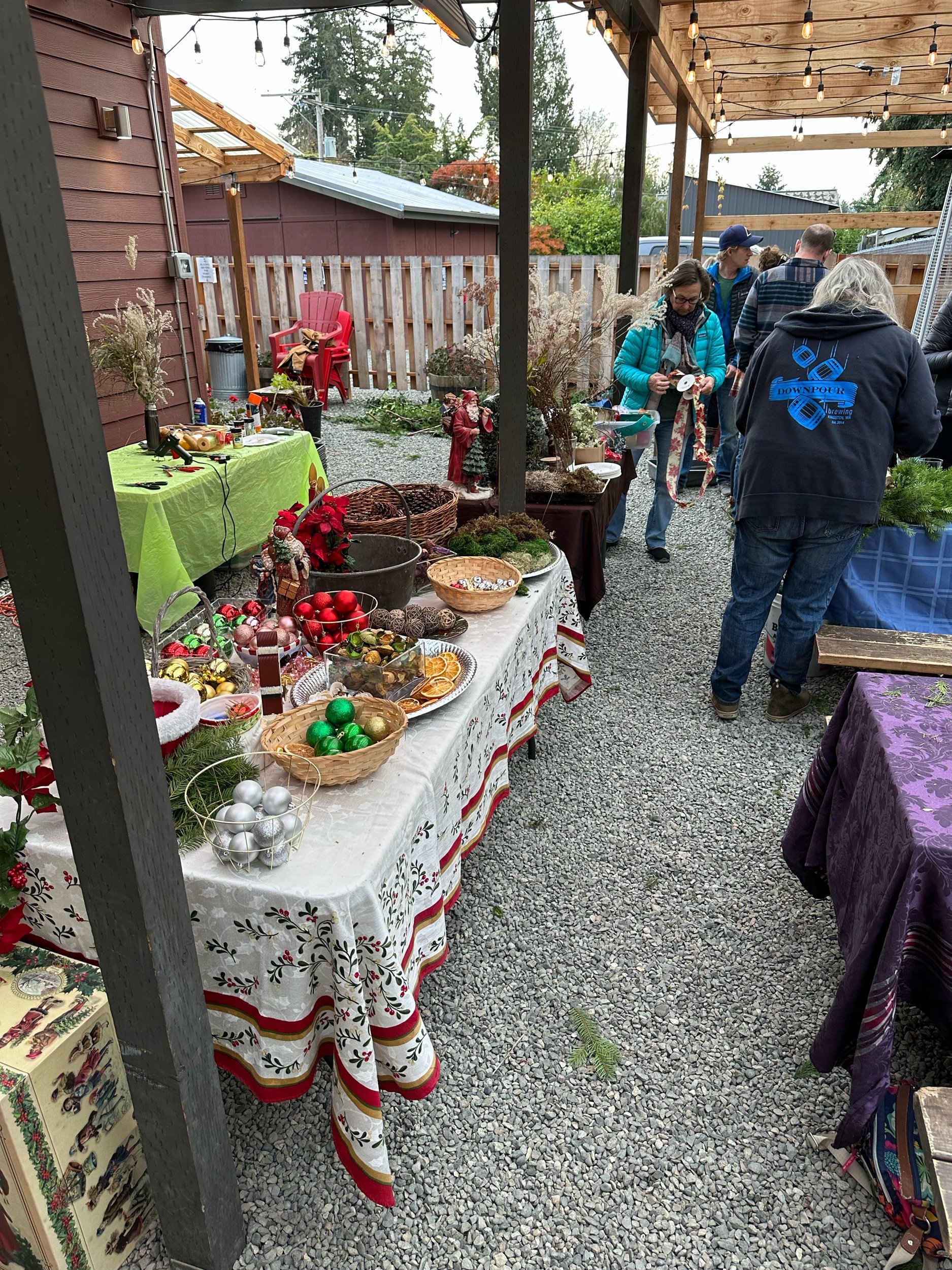
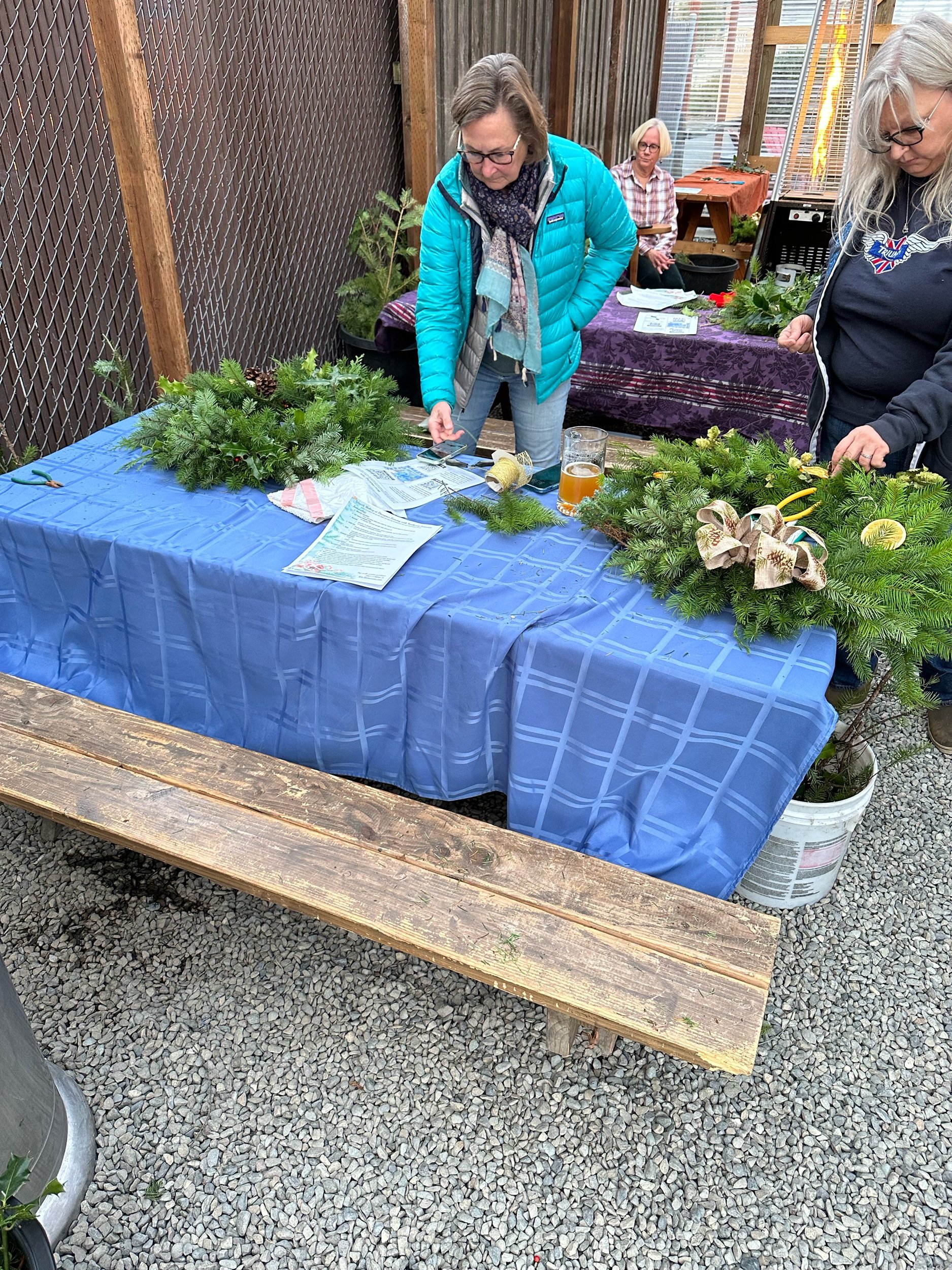
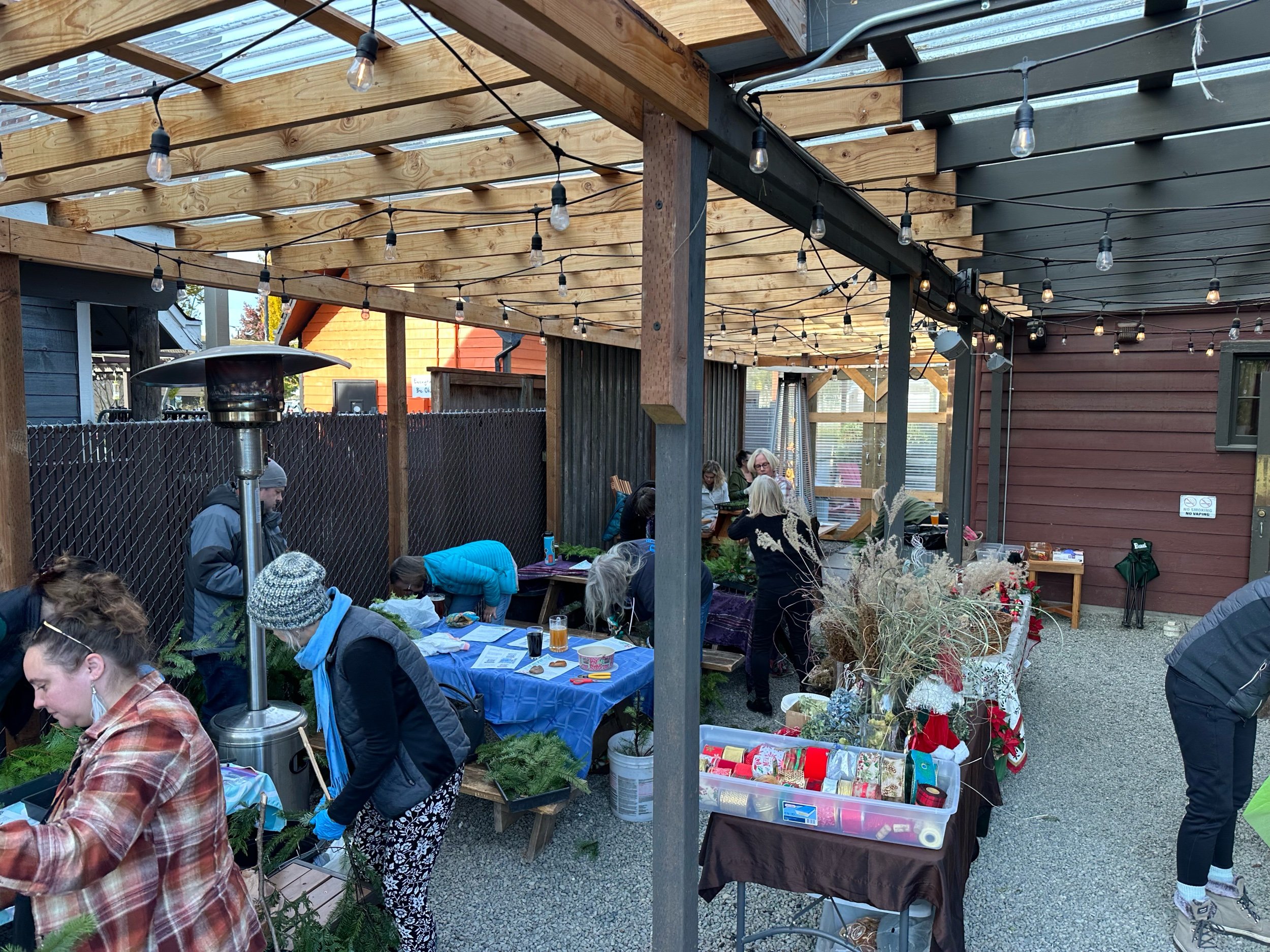
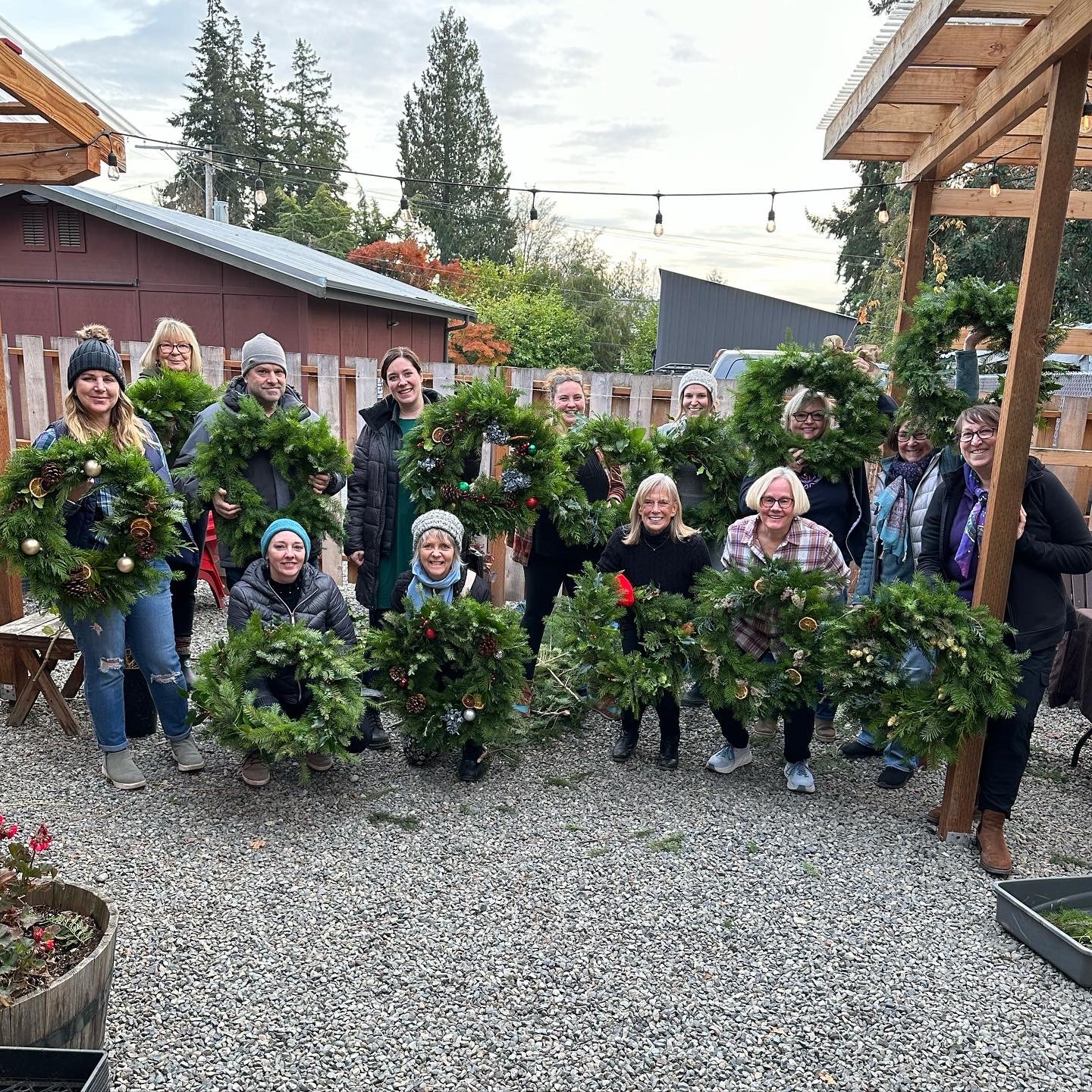
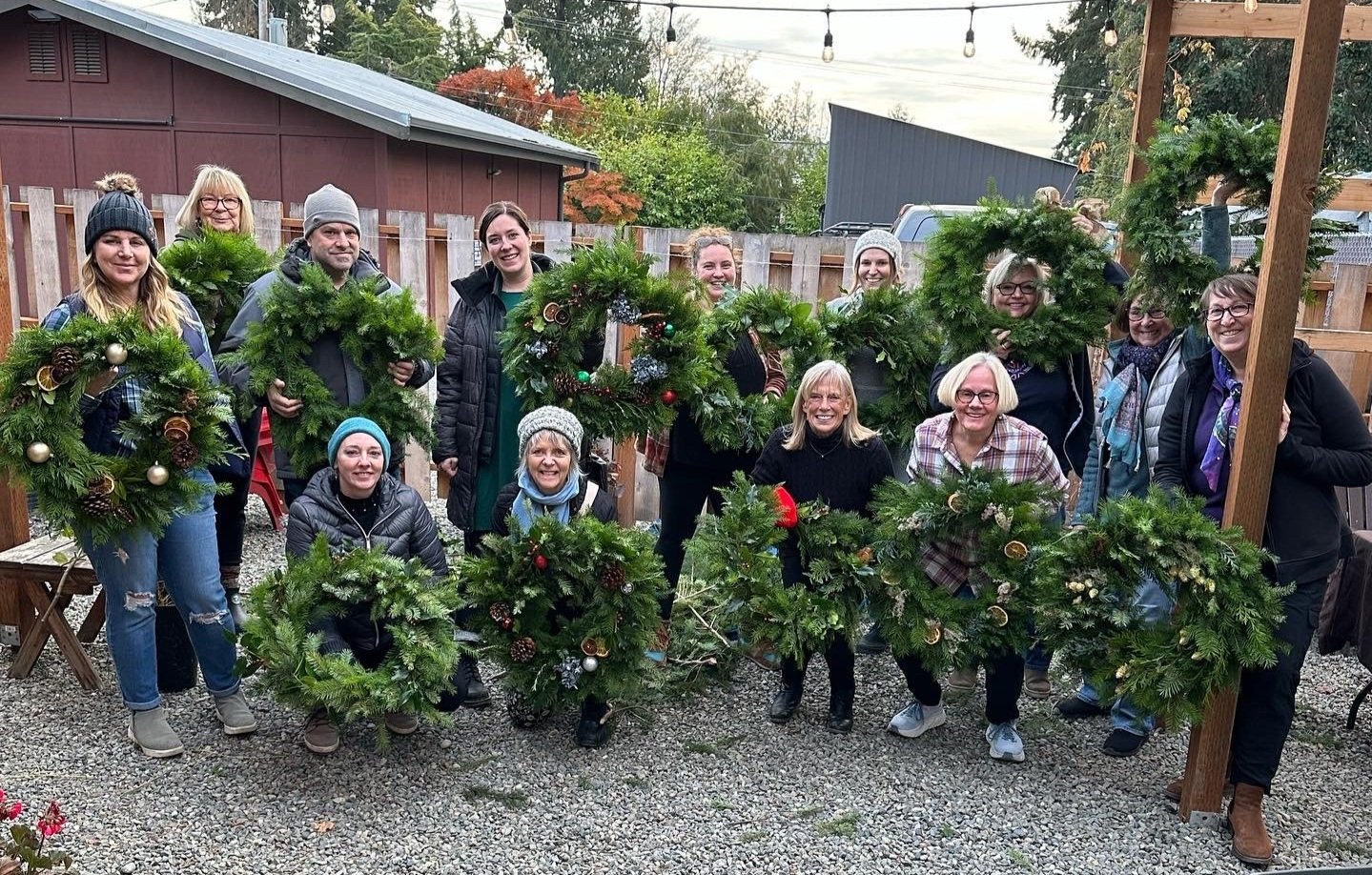
The wonderful Downpour Brewing in Kingston once again hosted another successful Botanista workshop! I am so grateful to have access to the perfect space for plantcrafting- it is covered, large outdoor heaters are warming up, personal little buddy heaters are available to whoever is feeling chilly, the beverages are flowing, we can make a mess, get our creativity on, and have a blast making amazing fresh wreaths to take home!
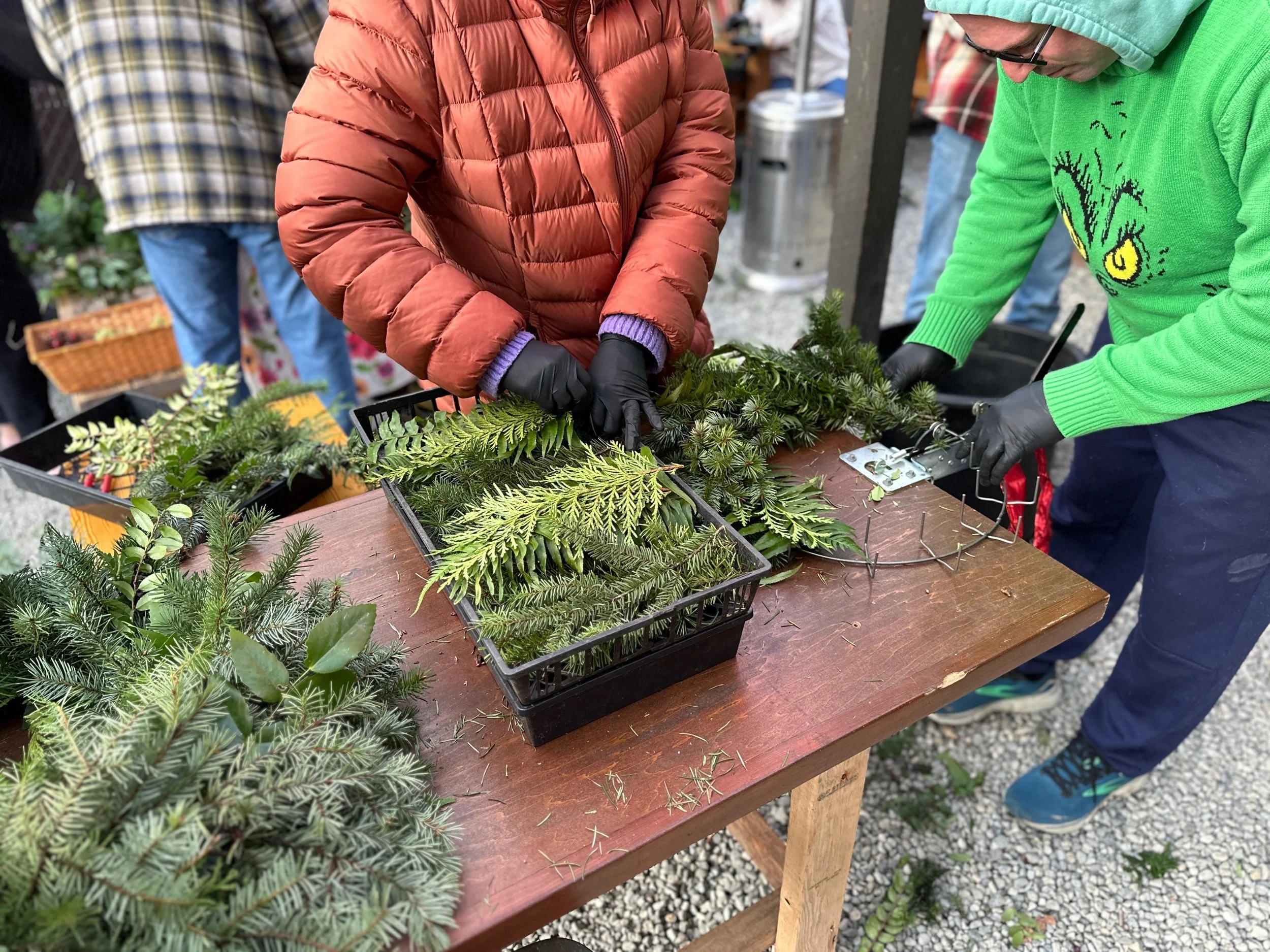

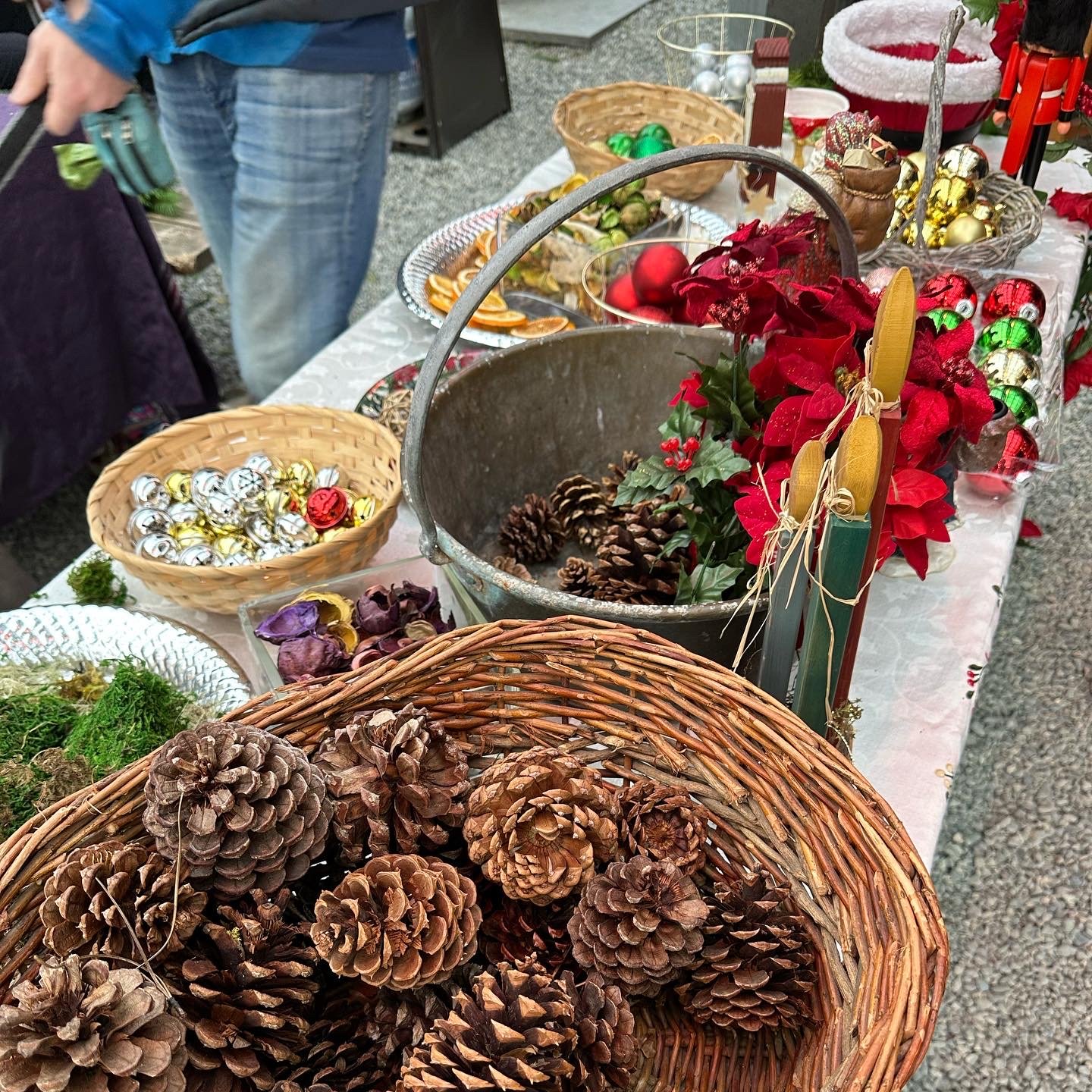
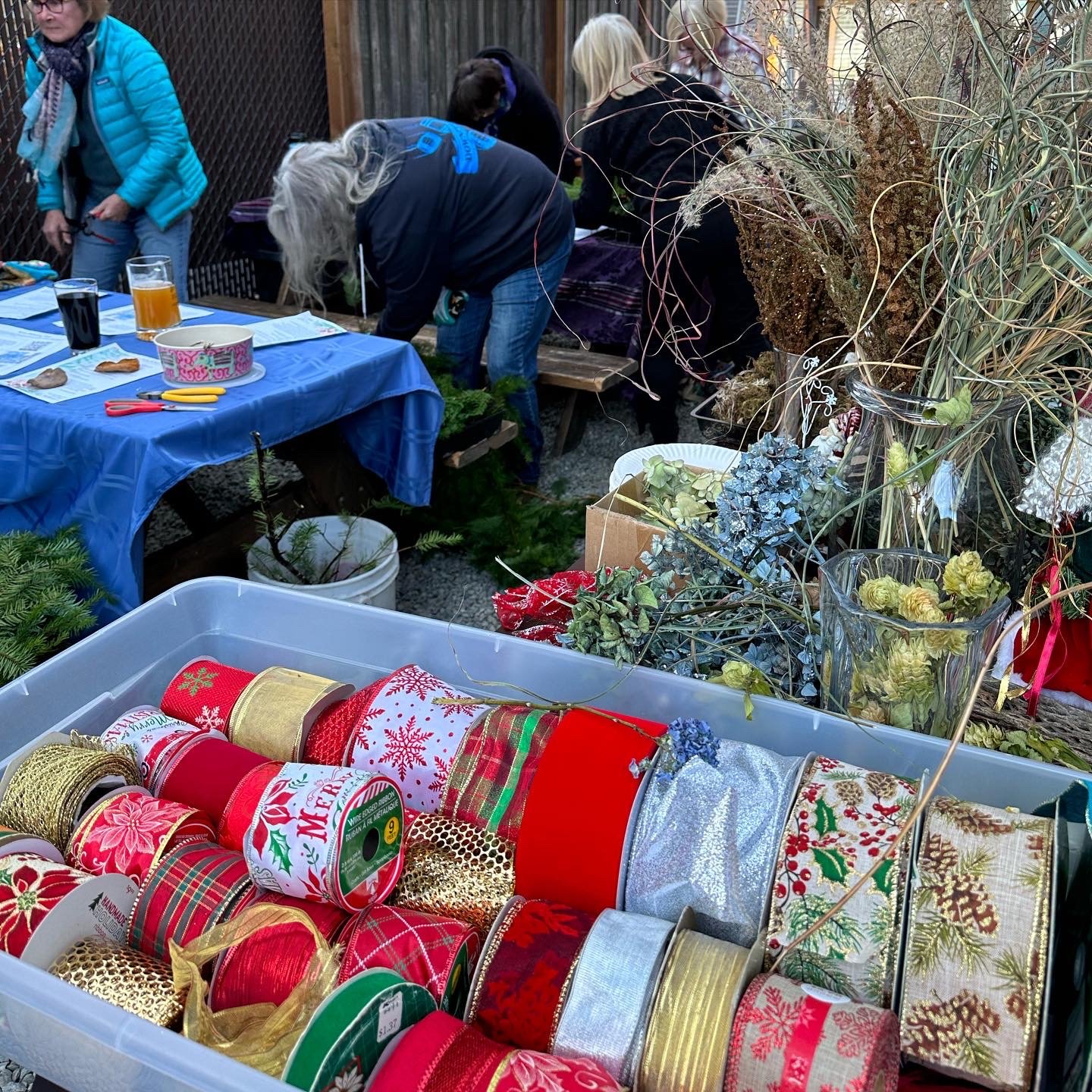

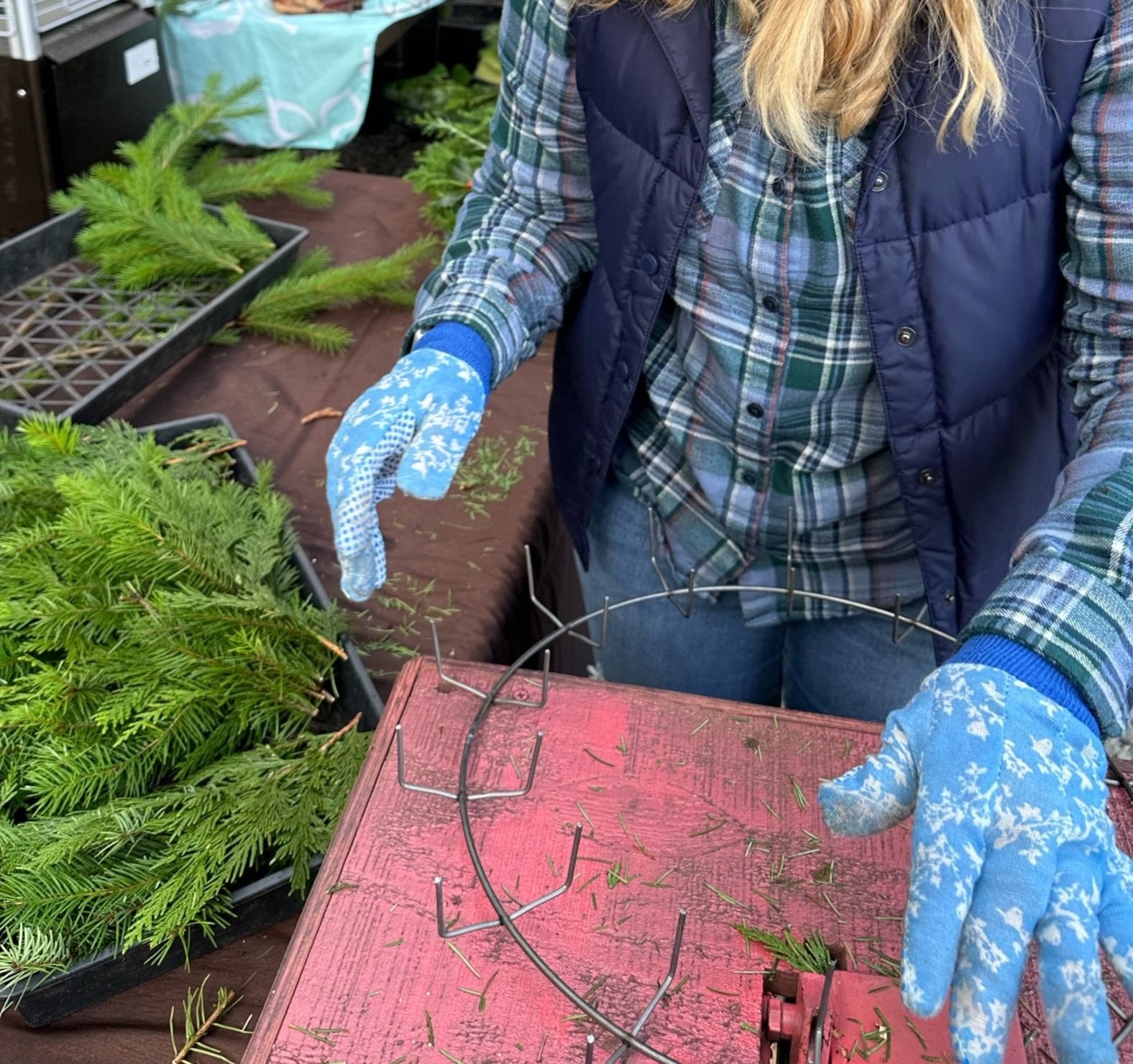
Wreath Making with a machine - let’s get clampy with it
More pictures from Nov 20th! Second wreath workshop is Sunday Dec 4th - - SOLD OUT
Look for the next post- Wreath Making in the Pacific Northwest: what to collect to make one-of-a-kind wreaths

Let’s get creative!
Stay tuned for more plantcraft workshops- join the mailing list to be the first to know: CLICK HERE
I love this plant, it is so tropical and dangerous looking, and loves my overly wet areas, winters over like a champ, and gets HUGE leaves.

stunning

Look at that little guy!

baby baby gunnera!
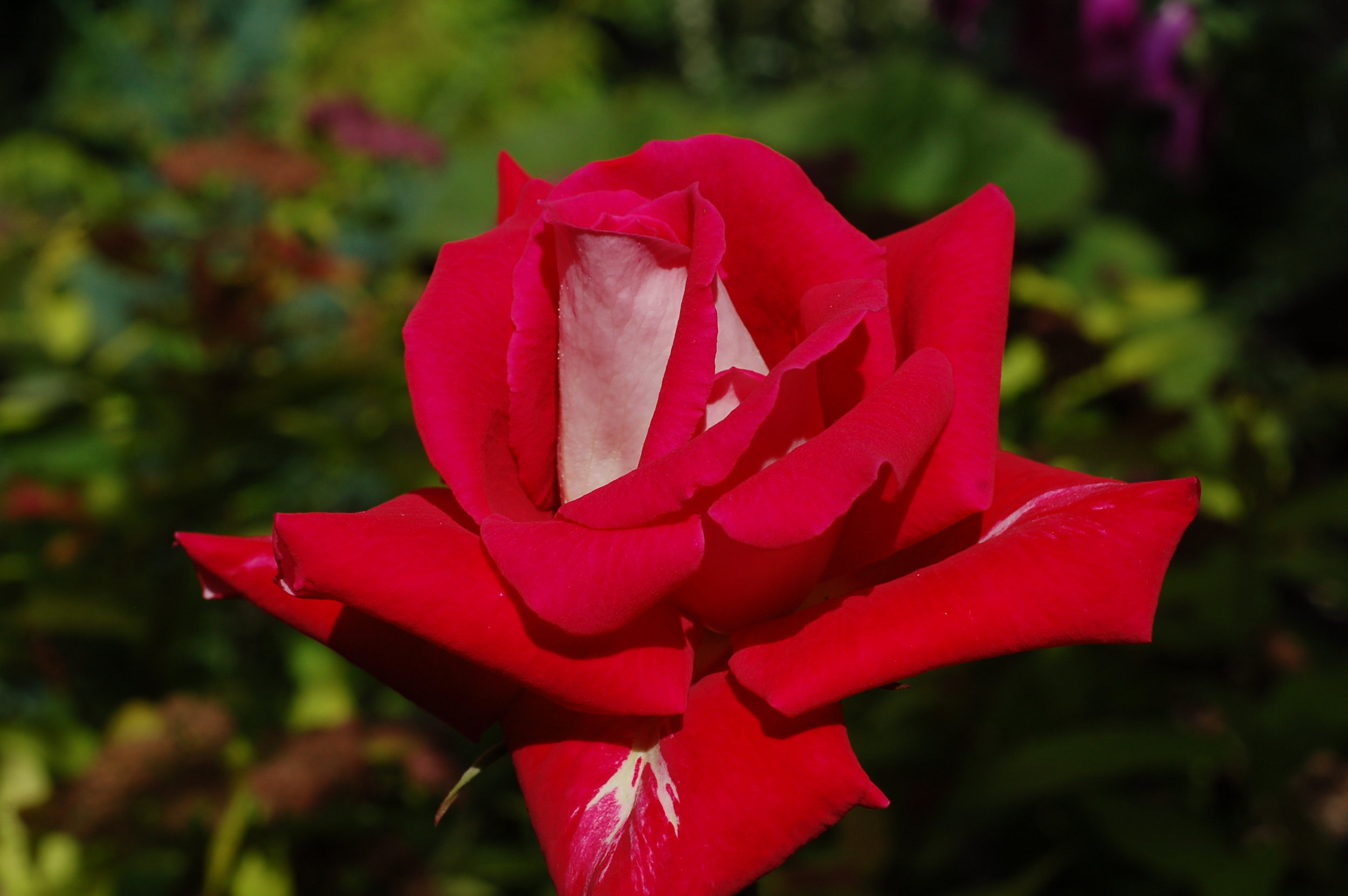
LOVE

John F. Kennedy


Tropical Lightening


Tropical Lightening

Tropicana

Unknown yellow-peachy, so fragrant!
These past few months have flown by and yesterday was extremely hot, hitting 90F. I spent the past few days preparing, watering, and moving some special plants in pots around to more shade. I still have 3 more summer container clients (yes, into July!) it’s been busy busy.
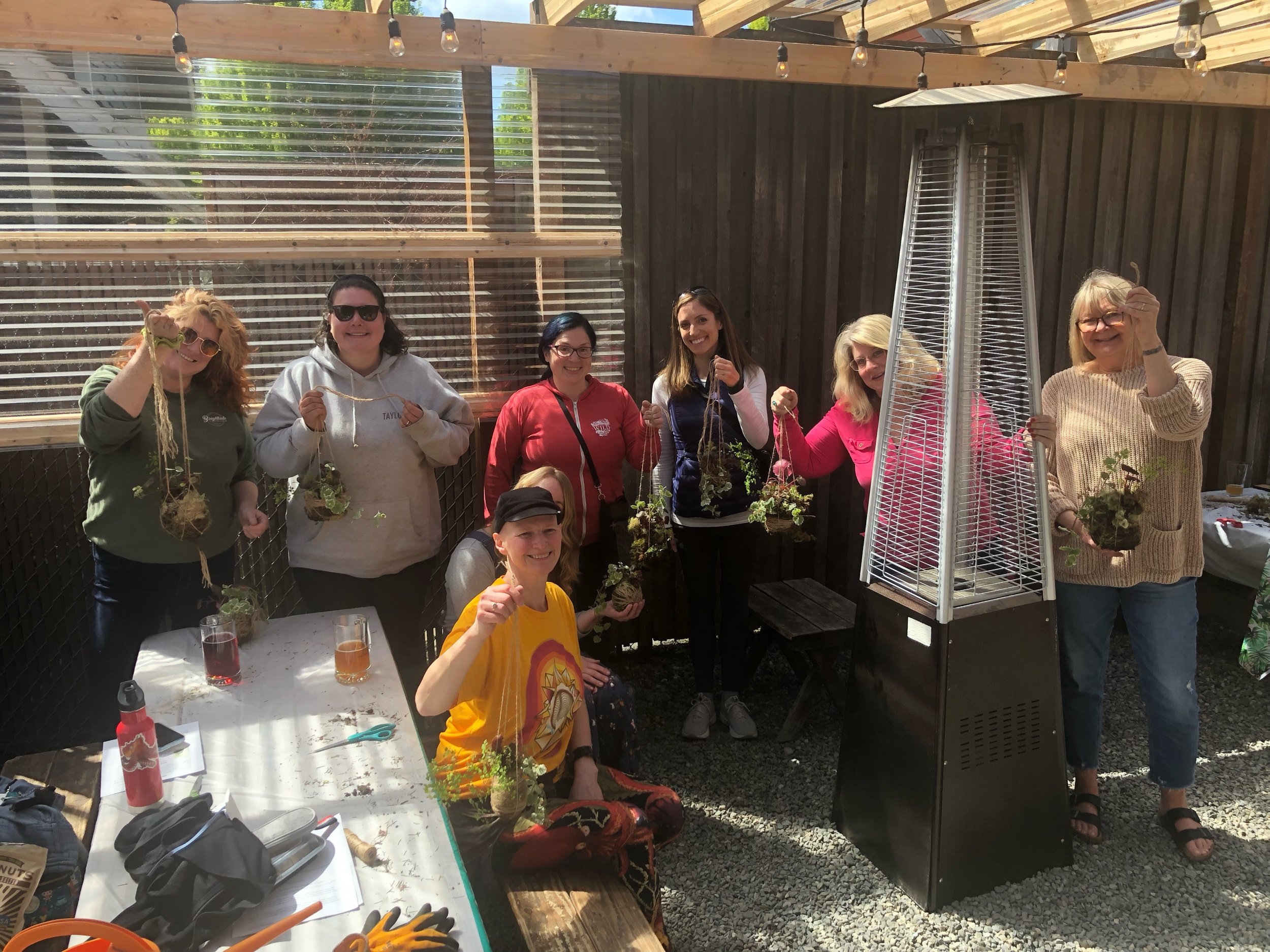
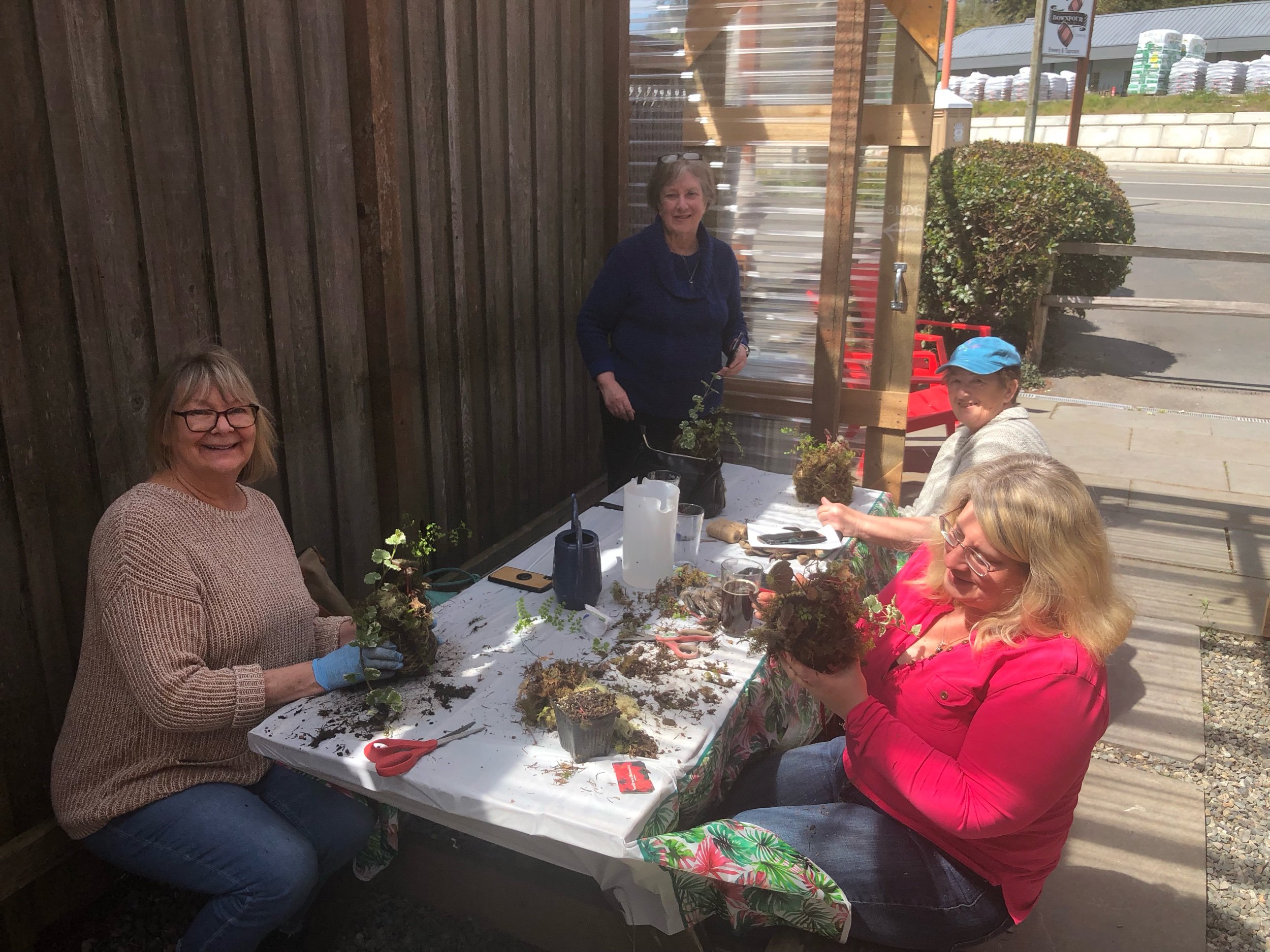
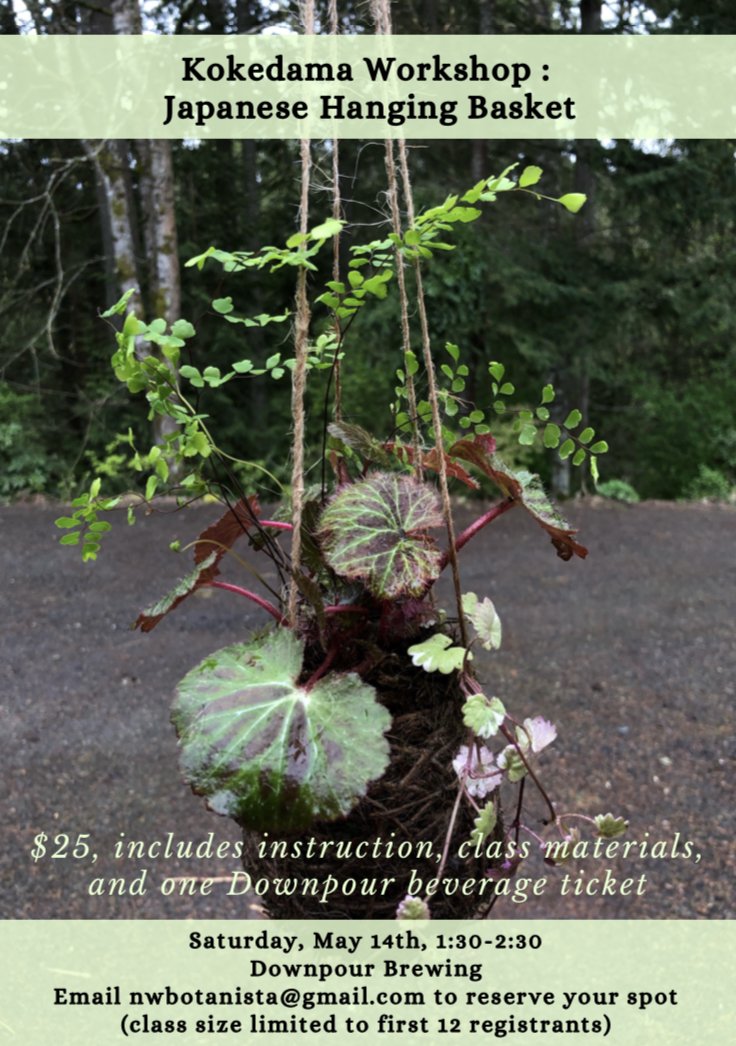
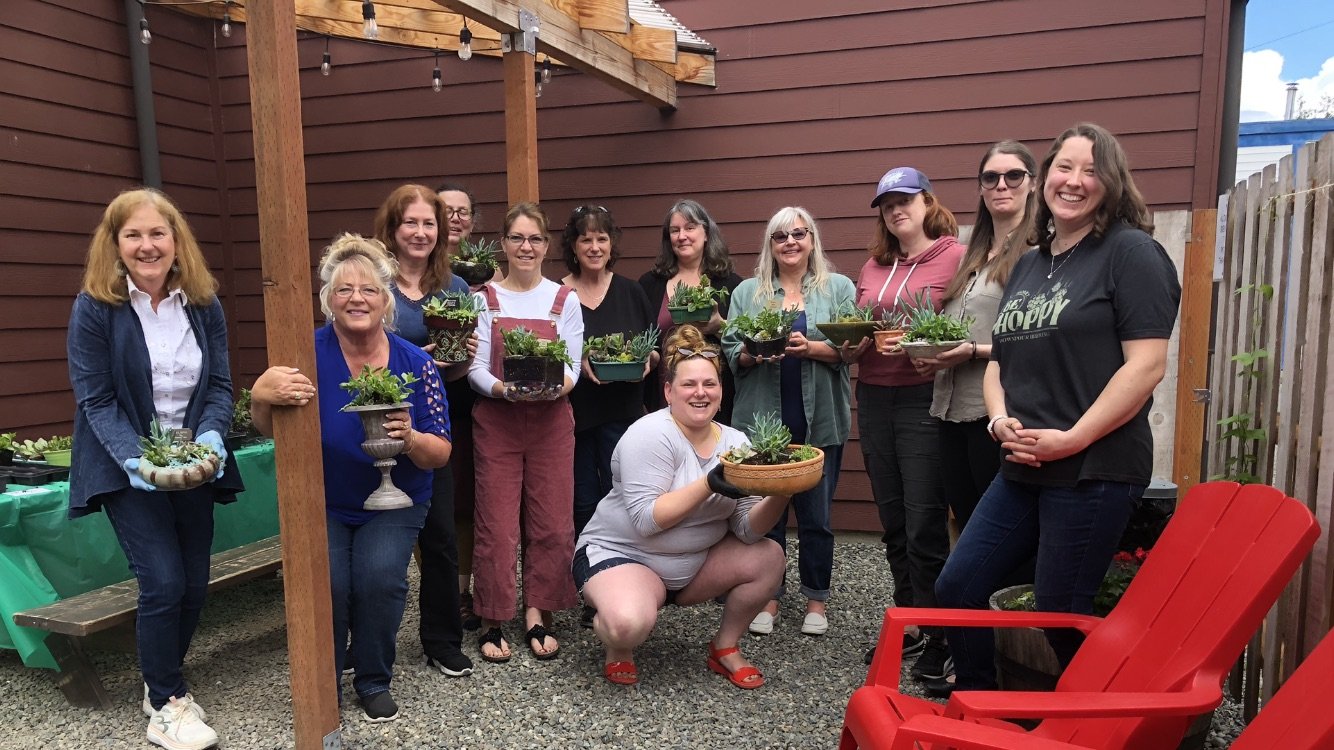
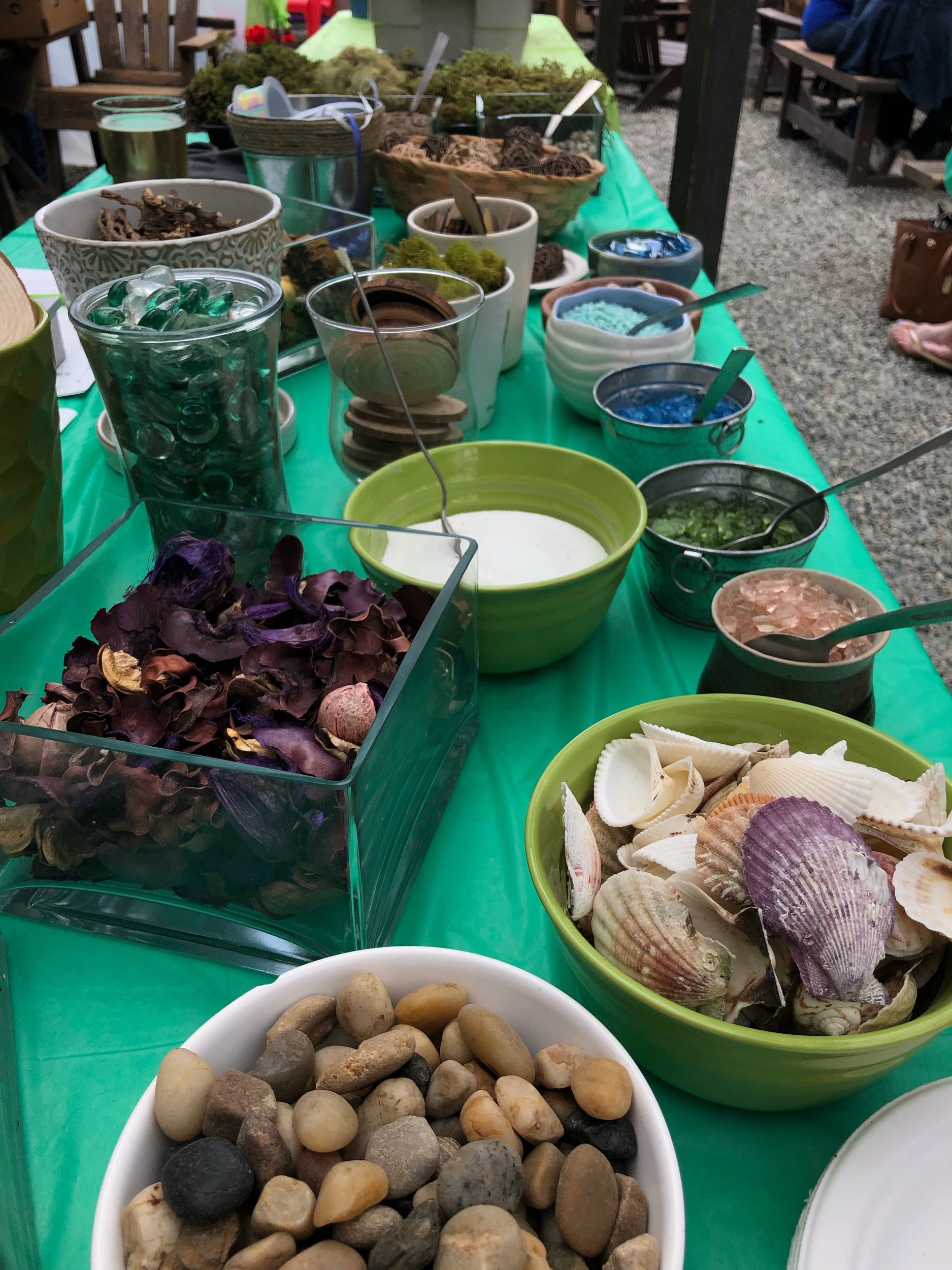
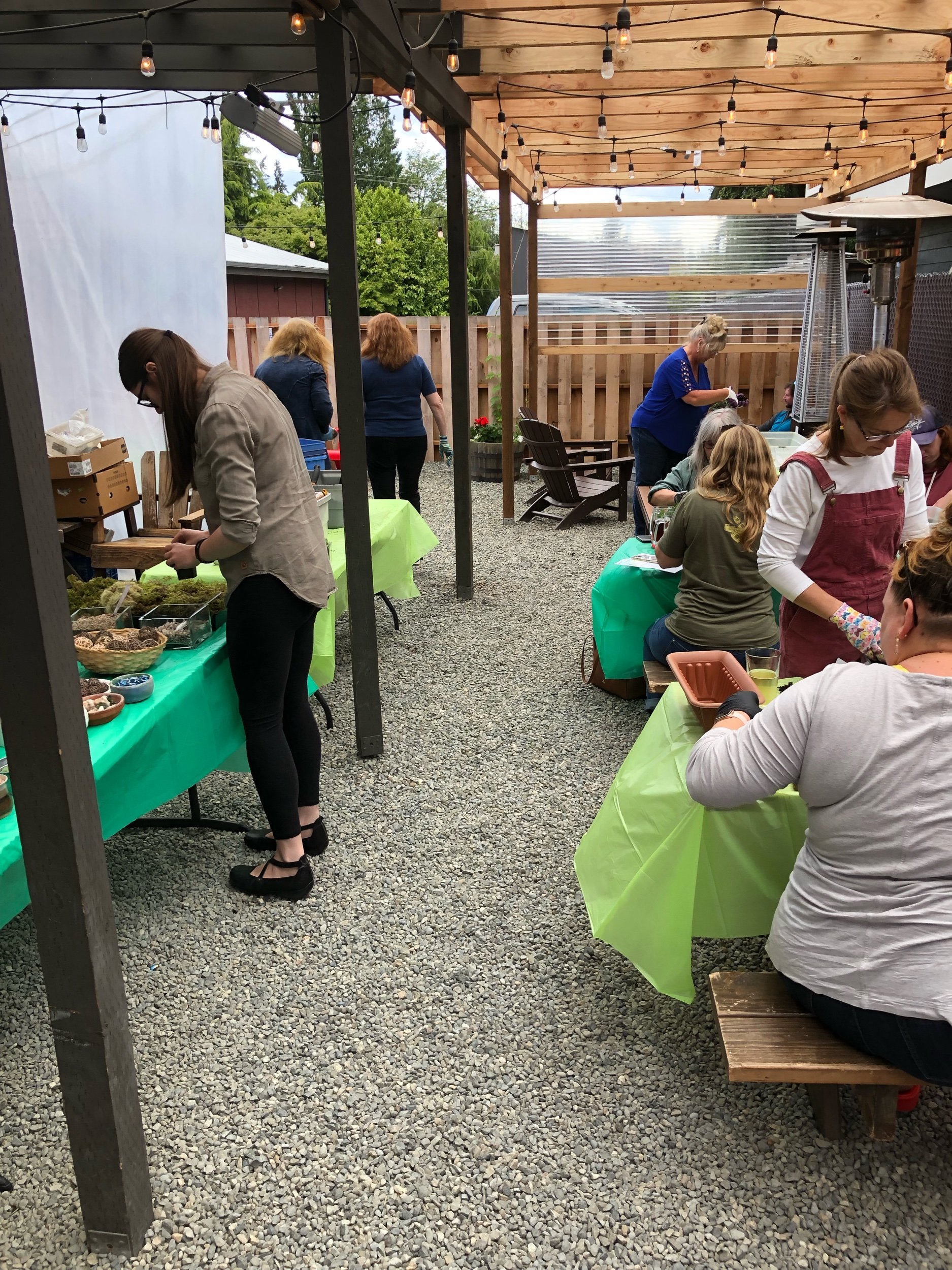
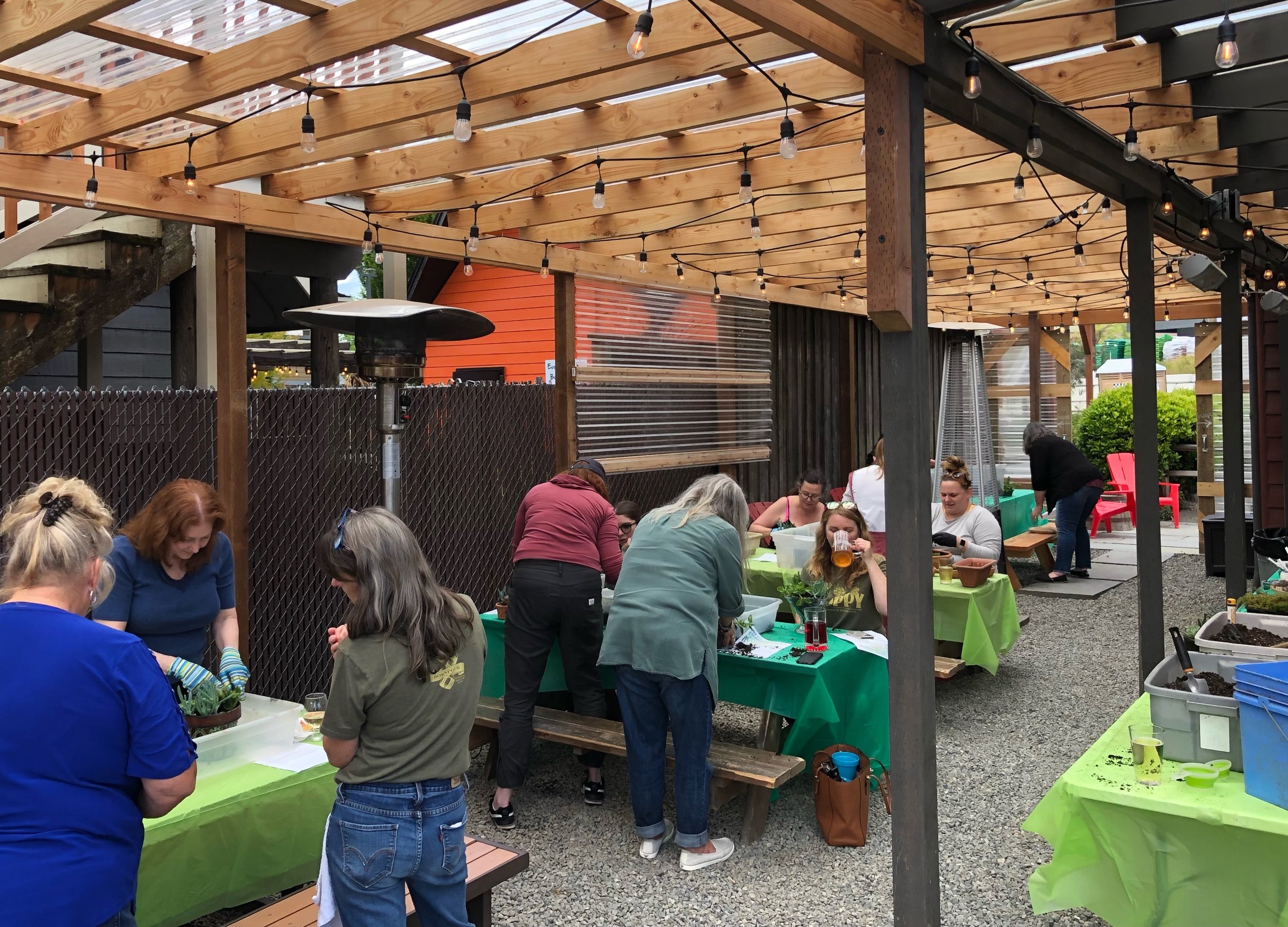
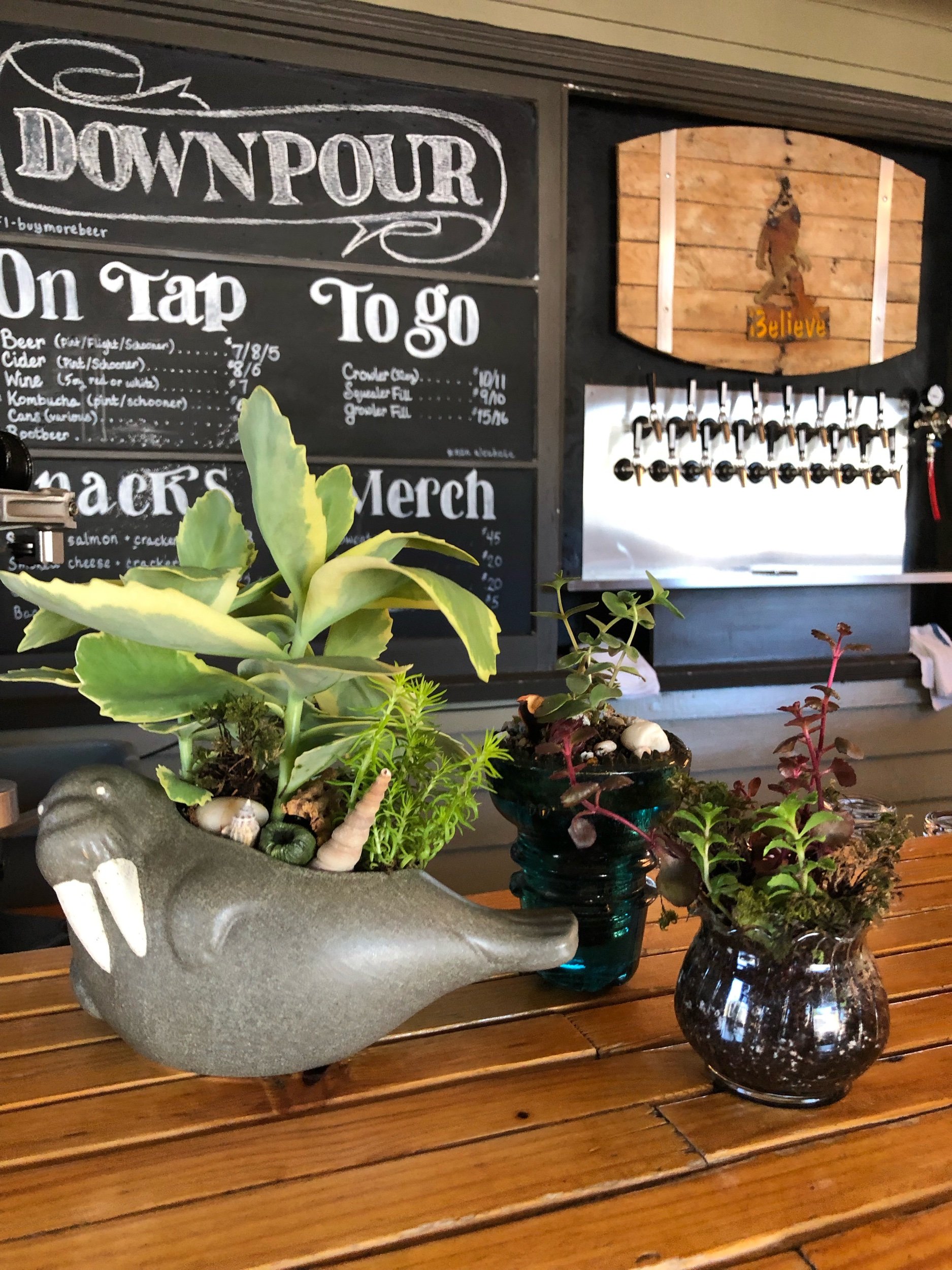
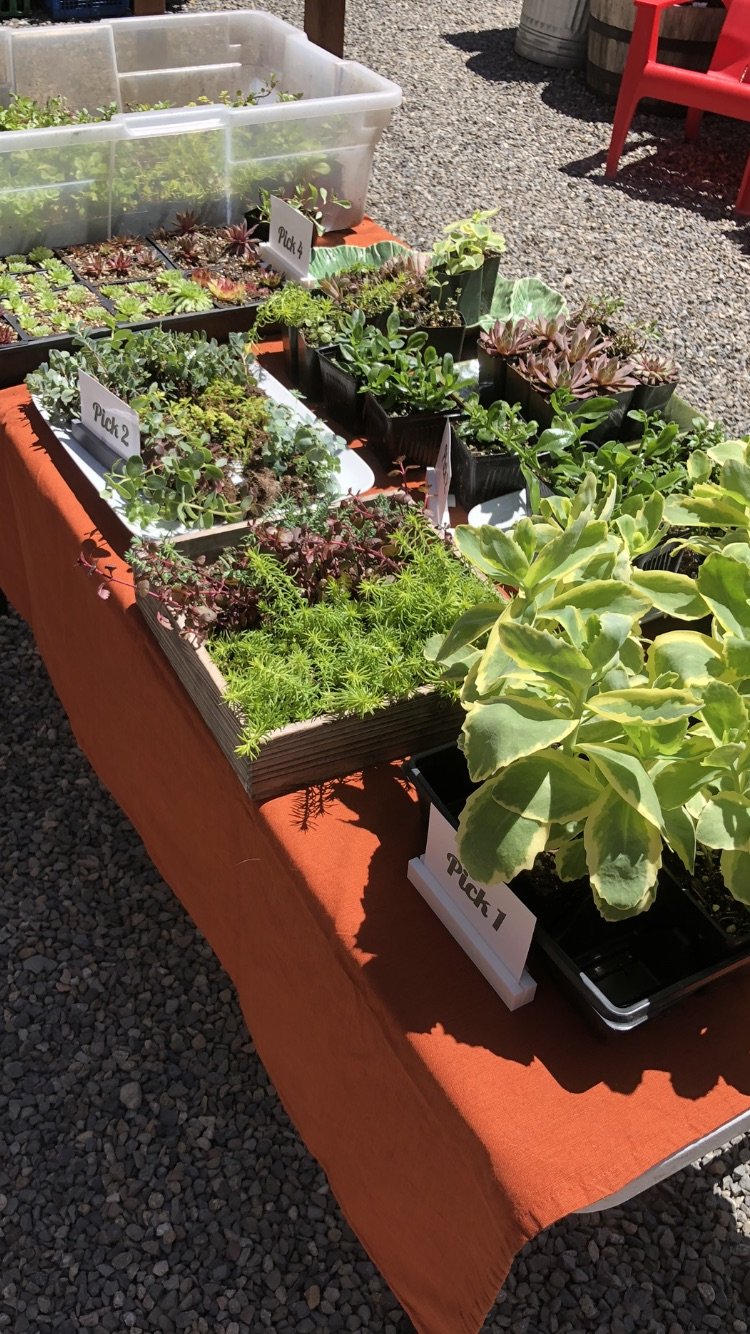
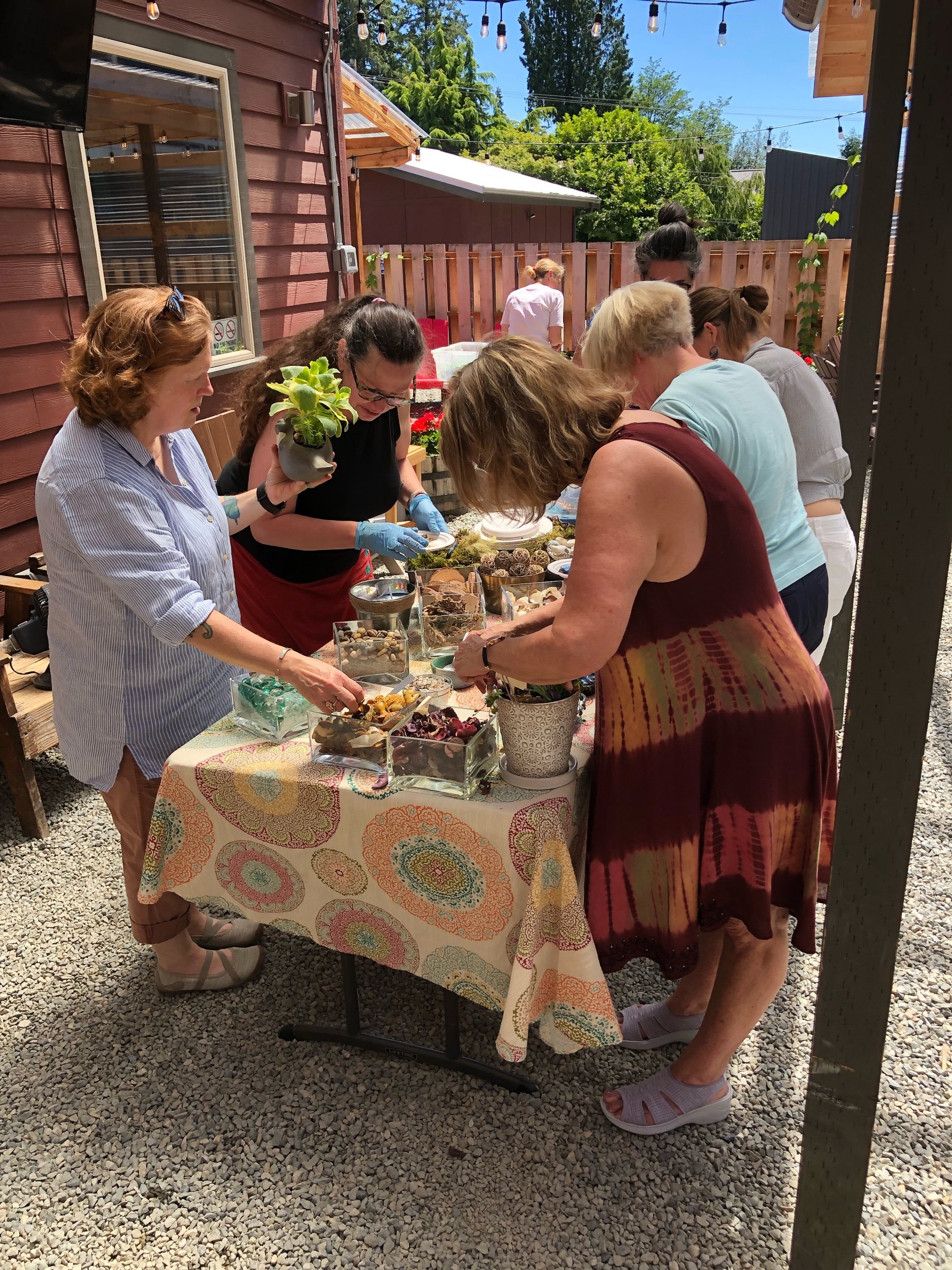
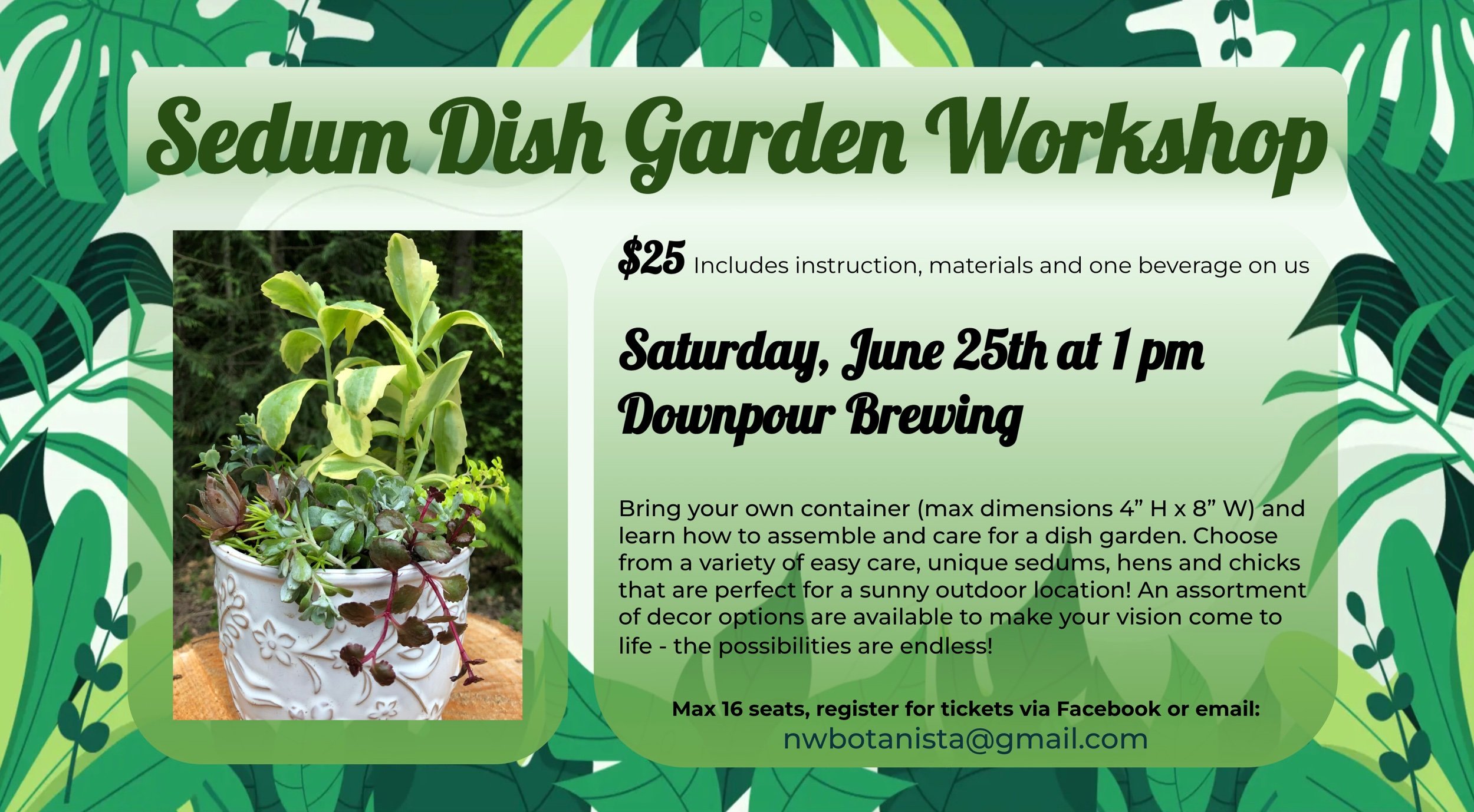
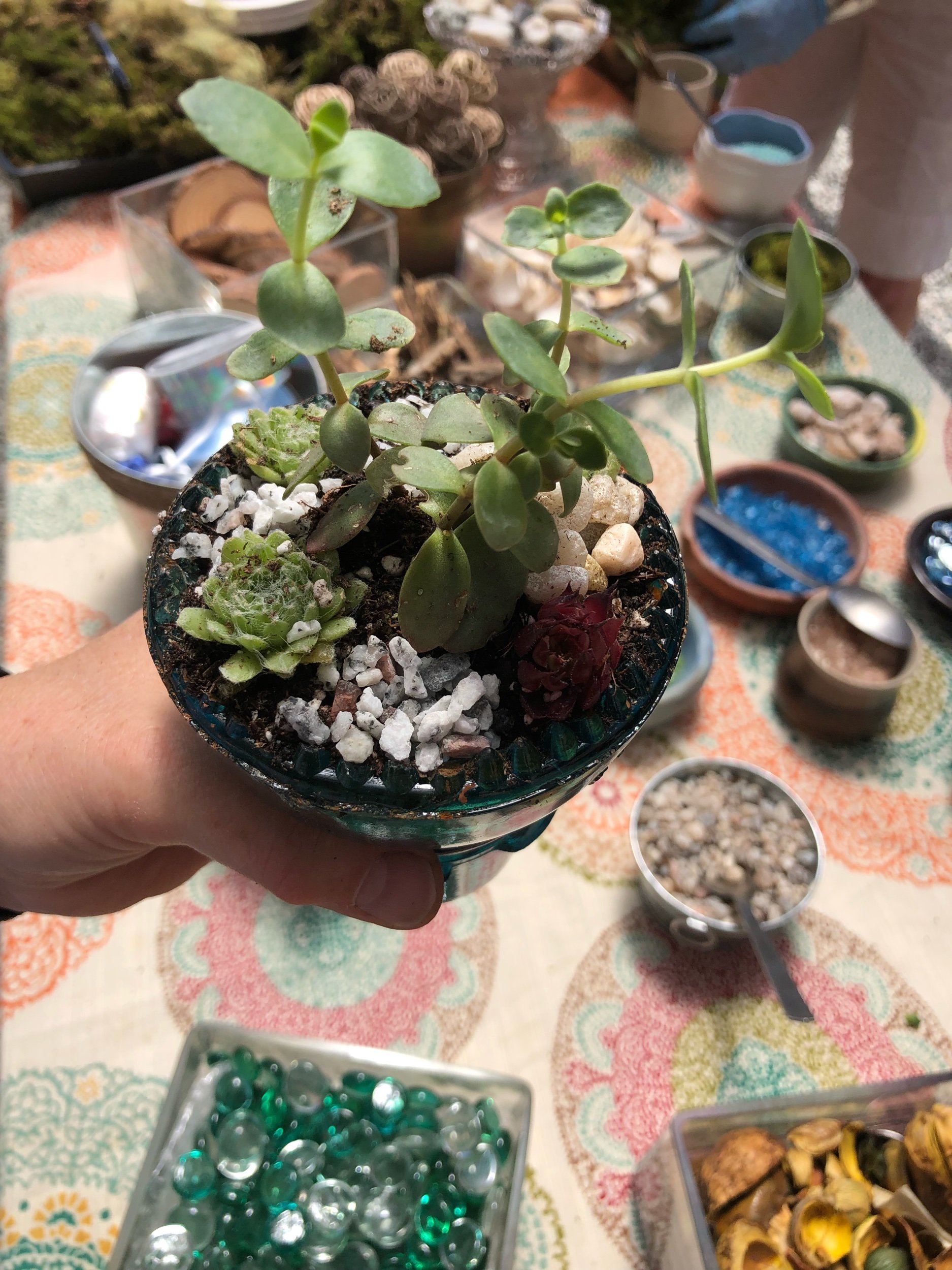
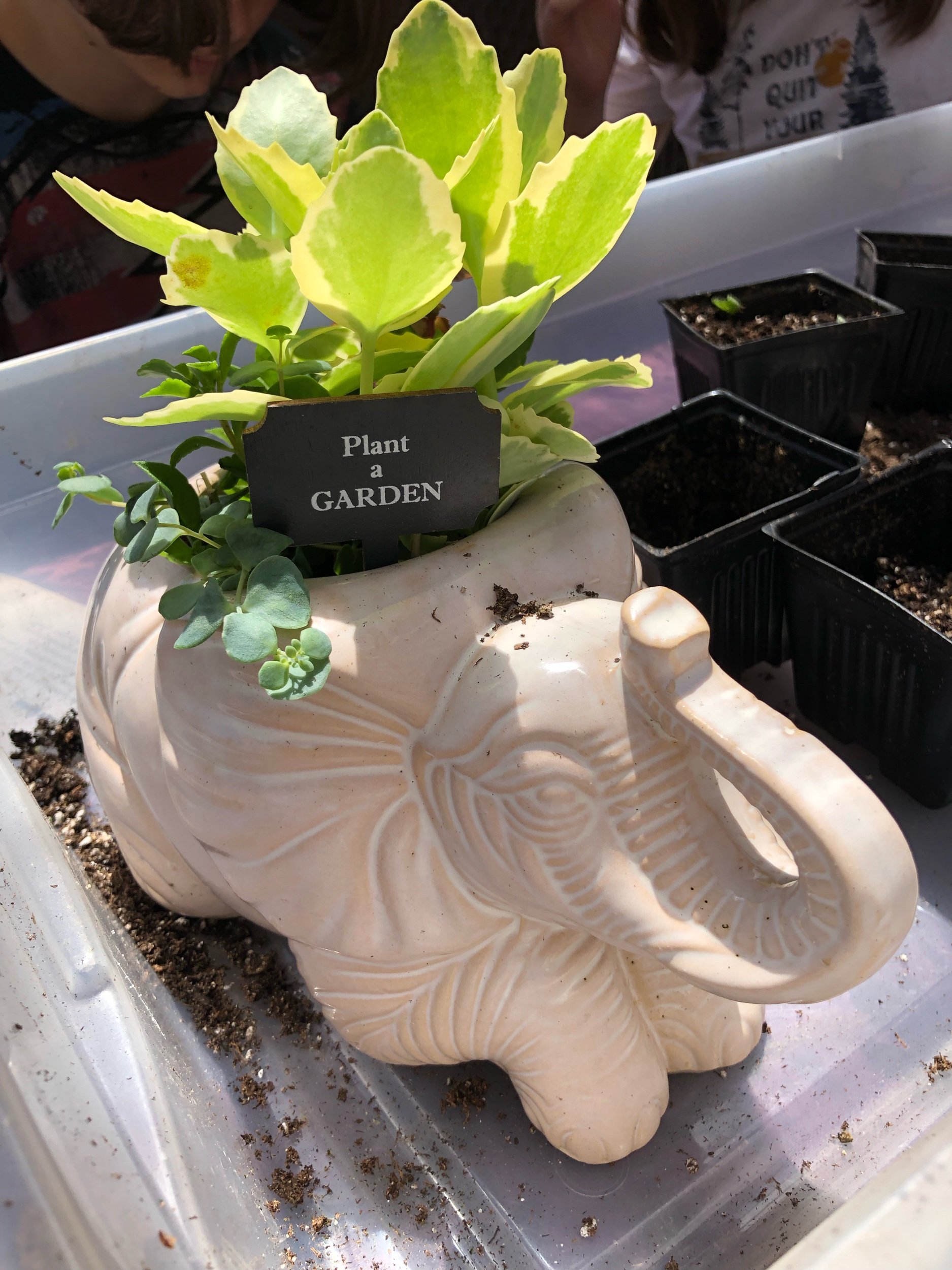
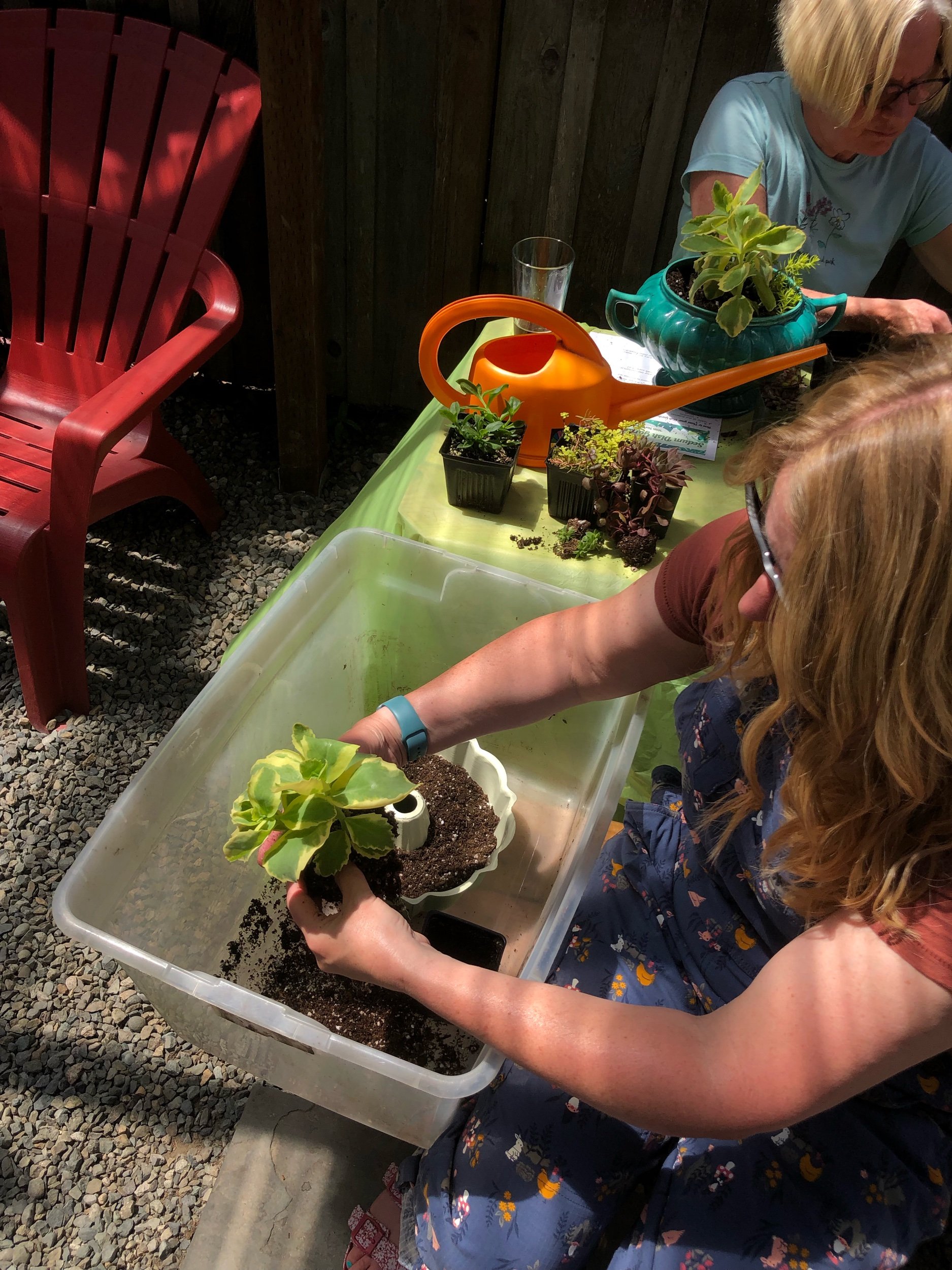
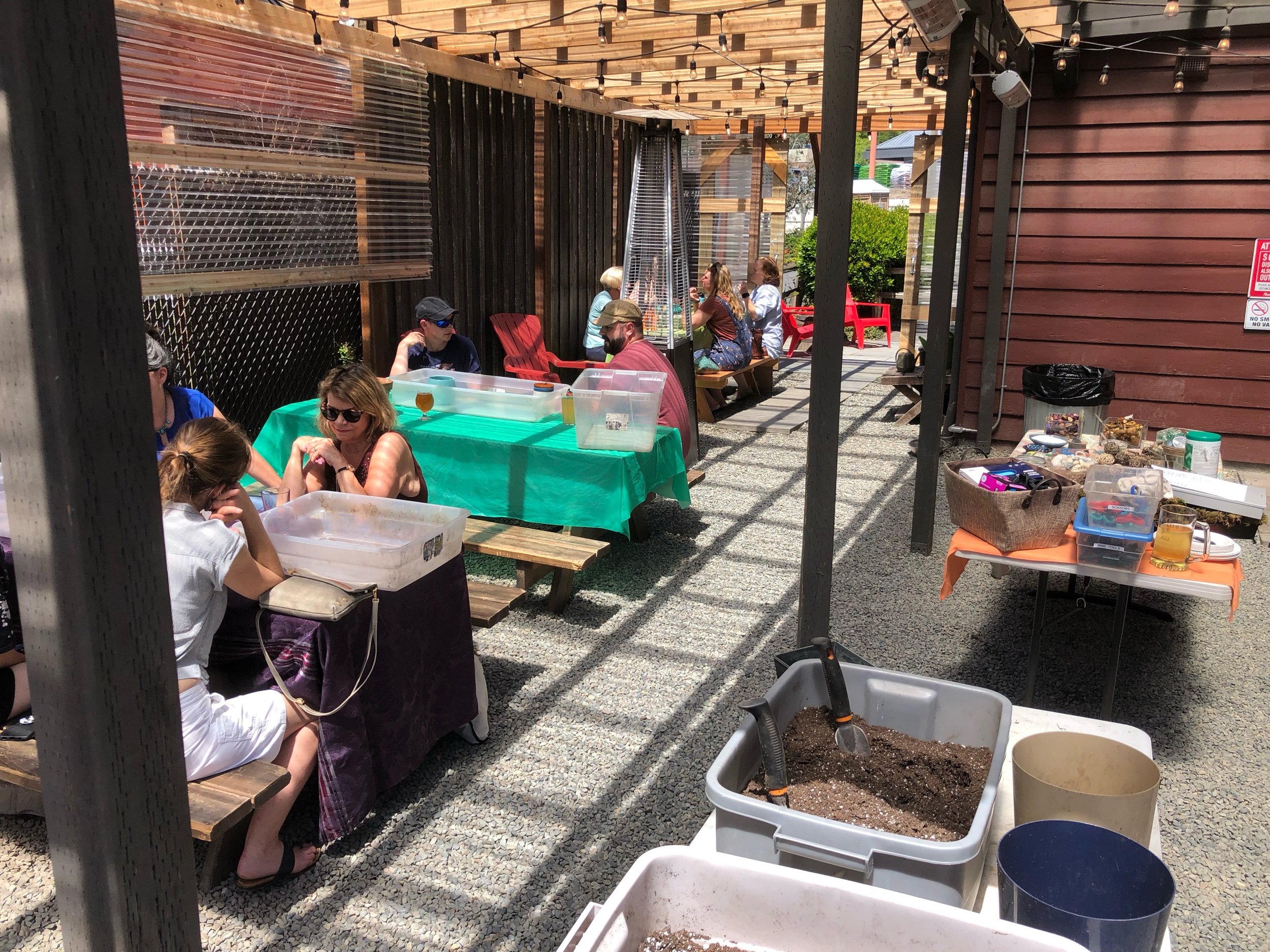
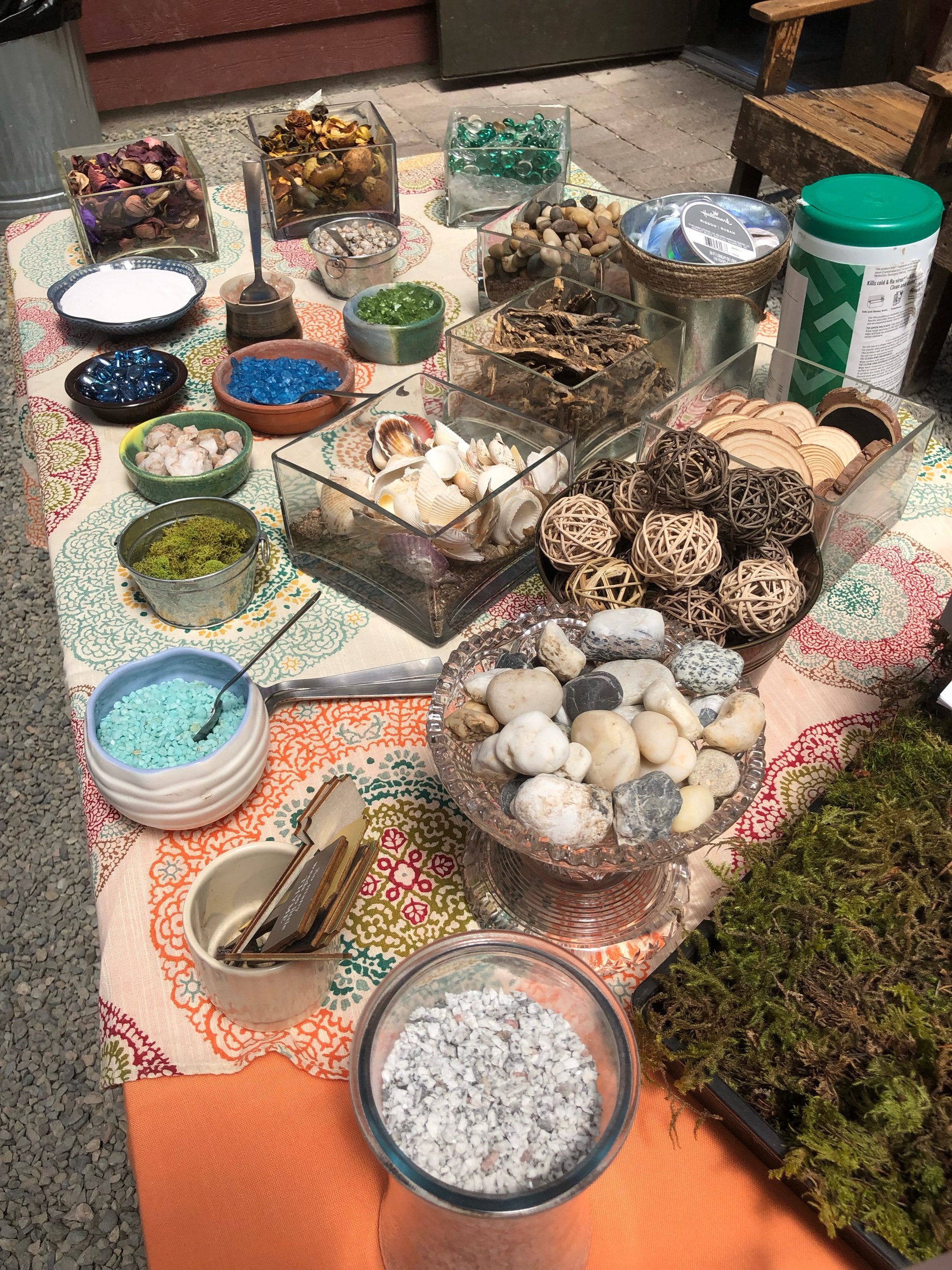
Downpour Brewing in Kingston has been hosting my plant workshops this spring and I’m looking forward to more! We’ve made succulent dish gardens, Japanese Kokedama hanging balls, and arranged sedums in unconventional containers. It is so fun to see everyone’s creativity!
Here are a few of my favorite shots from the last few workshops:



Like the winter predictions, El Nino/cold fronts have been ever present with snow and freezes through January and February. The only saving grace are the daytime warmer temperatures. We all have spring fever and I know how hard it to say no to new plants, any time of year. We all see them, the colorful frillies at the grocery and hardware stores. But is it worth the impulse buy, or is that plant gunna die??
If you have the itch to add something new to your garden (let’s be honest, I’m not the one that will stop you!), I’m working on my guide to successfully purchase a long lasting plant in winter and early spring. It is a tough time to plant some tender annuals/perennials with the lower temperatures and some are incorrectly labeled with their hardiness. What’s worse is many wholesalers take liberties when writing plant tag/label descriptions. I find many with completely inaccurate information, it’s disheartening and downright confusing. This can lead to buying a plant we think can handle winter temperatures and it just might not make it! There’s two ways to look at it- 1: take the risk, buy the plant, you’ll survive even if the plant doesn’t OR 2: pick something tried and true and have repeat flowering for years to come.
Here’s a list of some fun, hardy plants usually available early spring at stores that will provide an instant bump of color to fill containers or garden beds:
Some of these flowers may suffer some wilting during long periods of freezing temperatures and snow, most will bounce back
Hellebores
Hardy double primroses
forced bulbs like:
iris reticulata (flowers may be damaged in snow)
crocus
daffodil (i love tete e tete)
tulip (wild varieties, look for the word naturalize)
hyacinth
fritillaria
anemone
azalea shrub
pansy (treat as annual)
common primrose
My list of picky early spring plants
florist’s cyclamen
ranunculus (I tend to treat them as an annual)
fuchsias
mini roses
Now, I know I need to add more to this list, but it stopped raining a bit ago and I need to head outside and mulch the flowerbeds before all the daffodils and tulips take over!

I’ll be back
Alison
It is fun to mark annual events such as the Winter Solstice (in a few weeks), but it is more accurate as a gardener to think in terms of meteorological factors. Today marks the first day of meteorological winter, which is measured in three month cycles based on common patterns in temperature. I read a good article that I’d like to share - it has great information about the Seattle and surrounding area regarding this year’s high rainfall surpassing records - 5th wettest since 1945. Click here to read the Meteorological Winter article
With that said, the NOAA declared La Niña is back which predicts a pattern of a wetter and cooler than average winter. That means… SNOW? Maybe.
So, what do we need to do to prepare our garden for the winter season?
Tuck your tender plants closer to the house, mulch if you are concerned about hardiness. Loss happens, but that is the risk we take when picking out plants with zone denial brains! I have some plants that are more temperamental in the wetter areas of my garden, if you are concerned about Dahlia tubers or plants that are similar to “mush and muck out”, I would suggest to pull them and store dry.
I like to leave seedheads on plants as long as I can for the wildlife, such as Echinacea. Make sure all the herbaceous perennials, like hostas, peony, bleeding heart, and more are cleaned up- these tend to die back in the fall, but if you haven’t had the chance there’s no time like today to get out there and finish clean-up! Some perennials are just starting to feel the chill, like hardy fuchsias, and I wait till I’m ready to cut them back, sometimes leaving F. magellanica’s peely bark on display.
When it comes to leaf litter and raking, I tend to blow of the leaves on lawns and paths, raking some parts in the garden, but leaving a little bit here and there as a natural mulch for plants I’m temperature concerned about. I clean up the beds in early spring and add compost right when the tulip and daffodil bulbs really start emerging.
Winter is a wonderful time to prune most dormant deciduous trees and shrubs. It is easier to see what you need to remove when the leaves are gone! Always start by removing any dead, dying, diseased, and crossing branches (this can be done ANY time of year). Research the tree first before making additional cuts. Some plants are practically untouchable and will sucker and water sprout on you while others will do the same if you remove too much. The common rule of thumb is no more than 1/3 of branches for shrubs and small trees, and 1/4 for large trees. I would lean more conservatively when it comes to pruning unless I know the specific plant can handle it. Some shrubs and trees can be coppiced to the ground, like a royal purple smoke bush; You sacrifice blooms, but in return, its suckers reach for the sky! Think before you prune and don’t wait till late winter/early spring. The sap begins to flow before the buds emerge, and you run the risk of water sprouts!
If it does snow, I like to do a garden walkabout and brush off any snow that might weigh down any branches on small trees and shrubs. Just thinking of snow is making me excited!!
Till next time
Alison

Tomorrow marks the Autumnal Equinox and you know what that means—- summer is “officially” over. The days are getting shorter, darker, cooler, and more rain is on its way. I am appreciating these last sunny days. We had a torrential downpour on Sunday and it was a sight to see and hear- I know my plants appreciated the deep watering they finally received. They have been such troopers during this dry summer season.
The great news is: Fall is a wonderful time for garden projects!
Divide your peonies, astilbe, and other clumping perennials if they are encroaching your precious garden space. I have a few Itoh peonies that are massive and I not only want to divide them— but move them to an even sunnier spot.
Plant trees and shrubs now, they will have a month or two to set and establish new roots before the winter cold arrives and most plants go dormant.
I also like to give my houseplants some extra care. I wipe down their leaves (which can get covered in dust over time) and a shot of fertilizer for a boost of nutrition. These houseplants are in pots! They need to be fed! The soil they are planted in is now definitely depleted of nutrients. It is in your best interest (and the plants) to give them some food on a regular basis.
Mulch/compost are another amazing addition to any garden or container. Organic material is the #1 best thing you can add to your garden soil. Not only to feed the plants but improve the soil texture overall. If you’re living in the Pacific Northwest, you may have heard glacier till- there’s big rocks, sand, clay - it can present you with many problems. It can feel quite limiting at times when observing all the shallow rooted shrubs and trees I’ve planted, struggling to grow deeper roots. Native plants have adapted and simply do a lot better in these areas. I live on top of a hill, surrounded by Doug firs, western red cedars, hemlocks, big leaf maples and alders. Anything I plant has to compete with these mature tree roots. For example, western red cedars have very fibrous, shallow (8’) roots that leap at any chance to form a dense network underground. I have created several beds and digging into the ground is no easy task. It is even more important to follow the common rule of thumb: dig the hole for a new plant twice and deep and twice as wide. I go a little bit deeper and wider, only mix in compost with the native soil, scratch up the rootball of the plant, then nicely tuck the plant in its new home, making sure there aren’t any giant air pockets, top dress with more compost, water in well and deeply. Always remember—- for plant success, start with the SOIL. OM is the “secret” - add compost ANY time of year. There is no wrong time to improve your soil. It’s best to get started right away.
Let’s all take advantage of the fair weather when we have the opportunity!
Happy Gardening
Alison

I have been appreciating these cooler days, especially the small amount of rain yesterday morning. I finished all summer installs a couple weeks ago and I am still playing catch up. I haven’t planted my tomatoes yet!!! Oh, well. They standing about 3’ tall and fruiting in 4” pots, sorry little buddies.
In August, I am offering clients a mid-summer check-in for a reapplication of organic fertilizer, slug bait, deadheading, deep watering and cleanup- for a flat fee of $60. If we need to plug in a few holes, each added plant will be at the summer discount rate.
I visited Hurricane Ridge a couple weeks ago and the wildflowers were blooming in full force, it was such a lovely time.
Hope all you gardeners are enjoying the bounty summer provides us-
Alison